ADC12 prices rise for consecutive weeks, profit improvement and marginal demand recovery
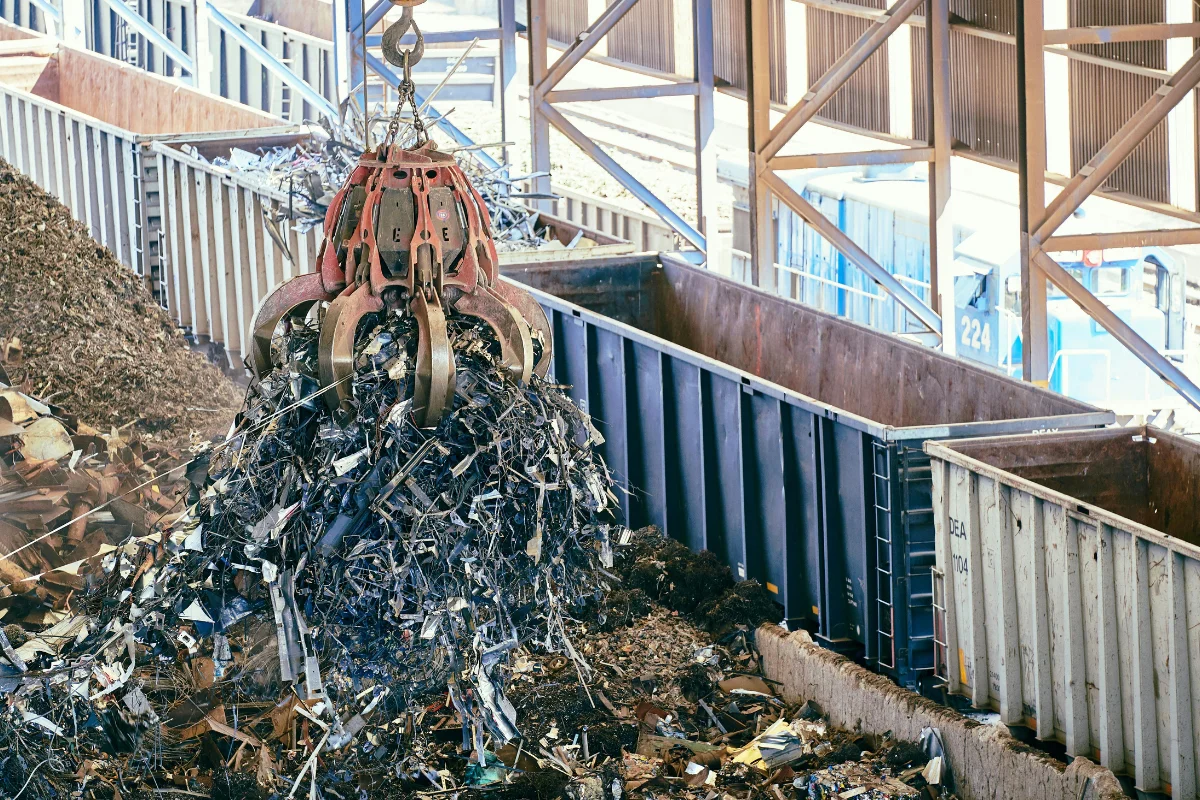
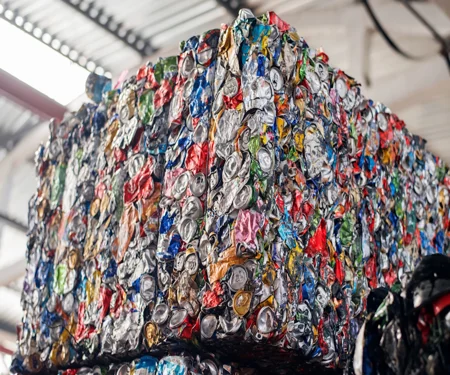
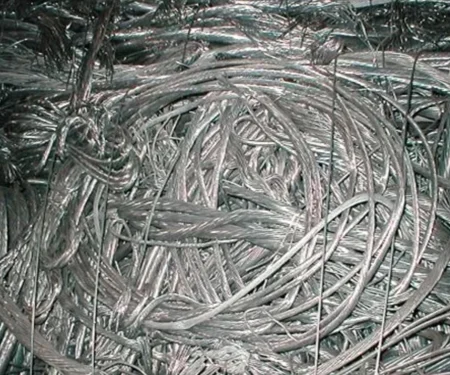
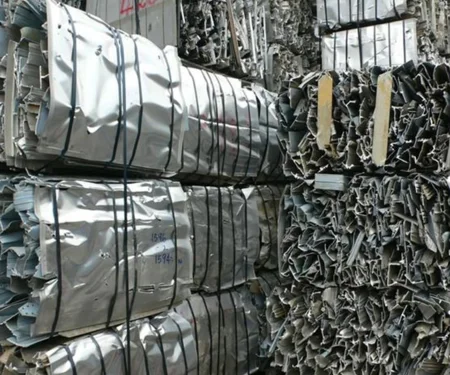
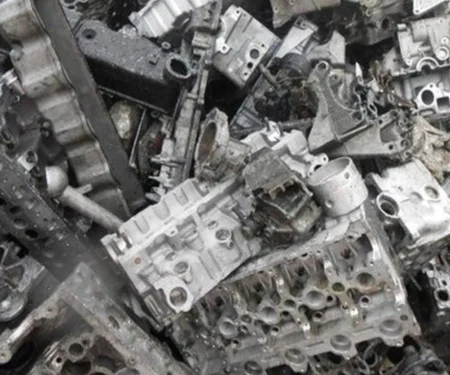
Stock image for referential purposes only
This week, domestic aluminium scrap prices in China remained largely stable, with some slight increases. Although primary aluminium prices rose notably, aluminium scrap struggled to catch up, and the price difference between A00 aluminium and aluminium scrap stayed high. In terms of prices, as of September 3, SMM A00 aluminium prices closed at RMB 24,350 per tonne, up RMB 430 per tonne from last Thursday, while domestic aluminium scrap prices fluctuated only modestly overall, with increases significantly smaller than those of primary aluminium.
Mainstream scrap types such as shredded aluminium tense scrap, aluminium tense scrap castings, and bare bright aluminium wire were mostly quoted steady, with only some regional traders slightly raising purchase prices in line with the market. In terms of price spreads, on September 3, the price difference between A00 aluminium and mixed aluminium extrusion scrap free of paint in Foshan was about RMB 2,461 per tonne, and the price difference between A00 aluminium and shredded aluminium tense scrap was about RMB 1,240 per tonne, widening further W-o-W.
On the import side, previously traded cargoes arriving at ports provided some supplement to domestic supply, with port quotes for imported shredded aluminium holding near USD 2,485 per tonne, stable M-o-M. However, the UAE export ban and the EU tariff hike continued to weigh, with the contraction in European and Middle Eastern supply unchanged. Premium scrap with invoices remained tight overall, leaving limited room for import growth.
A substantive recovery in end-use demand still needs to be observed, and inventory digestion for wrought aluminium alloy scrap will take time. Scrap utilisation enterprises are likely to continue purchasing as needed and maintain low-inventory operating strategies, with the pace of price catch-up expected to remain slow.
Next week, the aluminium scrap market is expected to consolidate on a strong note with a slight upward shift in price centre. The mainstream operating range for shredded aluminium tense scrap (priced based on aluminium content) is expected to centre around 20,300-21,000 yuan/mt, with close attention needed on the pace of downstream order recovery.
Secondary aluminium alloy:
This week, ADC12 market prices rose for consecutive sessions. As of Thursday, prices had accumulated a weekly gain of RMB 350 per tonne to RMB 24,300 per tonne. On the cost side, aluminium prices held up well this week, further strengthening cost support for ADC12 raw materials. Enterprises showed increased willingness to raise prices, driving spot quotes higher.
As the increase in finished alloy ingot prices outpaced that of costs, theoretical industry profit margins improved recently. On the demand side, September marks the traditional peak consumption season, and market orders recovered somewhat from August. However, peak-season characteristics are not yet pronounced, with end-user purchasing improvements still limited and overall market transactions remaining moderate.
On the supply side, the operating rate of industry leaders in the secondary aluminium sector rose 1.4 percentage points W-o-W to 51.6 per cent this week. Production enthusiasm improved amid peak-season expectations, but overall operating levels remained relatively low. Social inventory increased to 33,000 tonnes, up 1,200 tonnes W-o-W, marking the fourth consecutive week of inventory buildup, though still down 53.8 per cent Y-o-Y.
On the import side, overseas ADC12 quotes held steady at USD 3,050-3,180 per tonne. As domestic prices rose, import losses narrowed to around RMB 400 per tonne, but the import window remained closed, with limited short-term pressure from overseas supply growth. In the short term, ADC12 prices are expected to consolidate on a strong note, with further upside room for the price centre.
Strong aluminium prices on the cost side, aluminium scrap prices fluctuating at highs, and the closed import window will continue to provide support. If peak-season demand in September is further released and drives end-user restocking, prices still have upside room.
However, with social inventory building for consecutive weeks and operating rates rebounding while demand has yet to show significant volume growth, price increases still rely mainly on cost and futures drivers, and sustainability remains to be seen. Going forward, close attention should be paid to the extent to which peak-season demand materialises and to changes in raw material supply.
Advanced sorting could unlock $2.3 billion in US aluminium scrap value: WBCSD
Next articleWeak domestic markets are holding back aluminium scrap sorting investments, WBCSD study finds
Grow with
AL Circle