8 ways the Middle East crisis is reshaping the bauxite and alumina market beyond trade routes
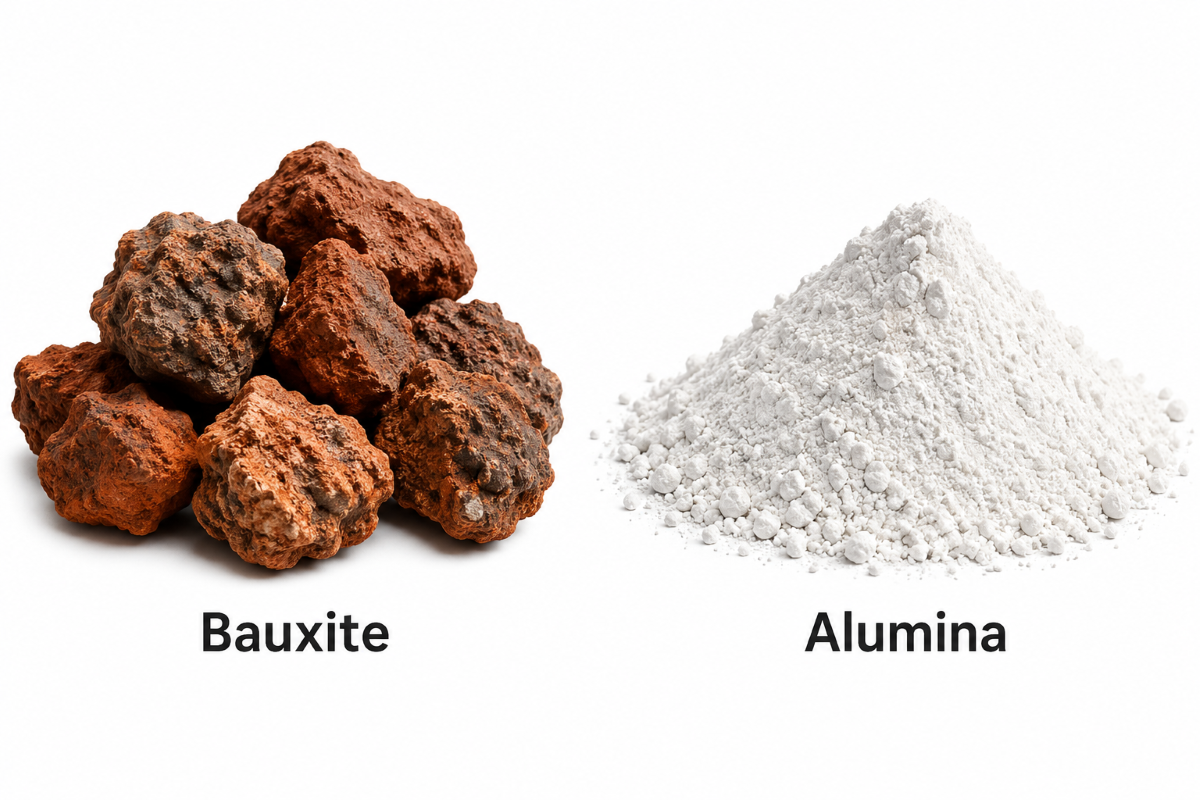
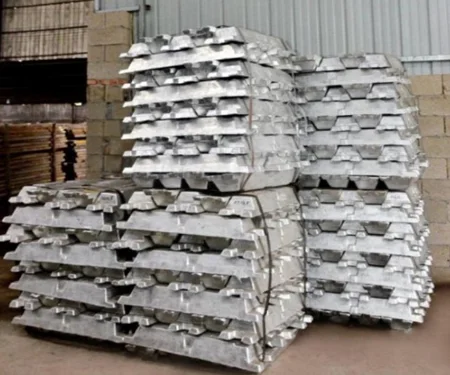
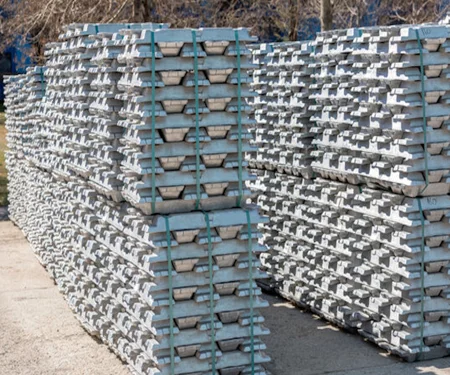
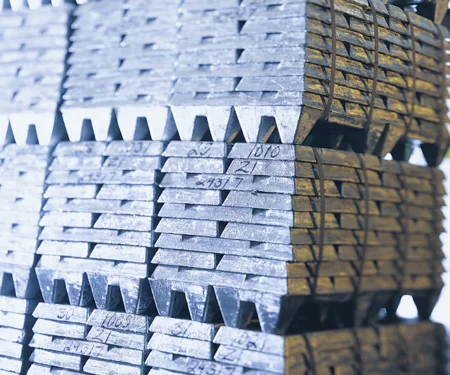
Stock image for referential purposes only
One geopolitical disruption. Multiple market reactions. Beyond the news headlines, the Middle East crisis has and is continuing to evolve, creating visible influences. These influences may include price movement, shifts in trade, ever-changing demand-supply dynamics and whatnot. Here are the key impacts highlighted in AL Circle’s report, “Global Bauxite & Alumina Market Forecast to 2036,” outlining how the ME crisis is reshaping global markets. And in this shifting landscape, the competitive edge may not go to the biggest players, but to the best-prepared.
Here’s what the market is really signalling:
1) Disruption in the Strait of Hormuz directly affecting Gulf raw materials
Two major regions, which are the UAE and Bahrain, are highly dependent on bauxite and alumina imports. These regions, currently, are feeling the shipment strain, incoming from West Africa and Australia. This is so because they are forced to navigate riskier maritime routes. Due to this, what was previously a smooth supply corridor has now become a much more unpredictable journey.
2) Shipping inefficiencies beyond just the Middle East
The transit times are being stretched due to the vessel diversions, rerouted cargoes and tighter shipping availability. However, this does not make it just another regional issue; in the current market dynamics, it is creating a ripple effect on global freight economics, shipment scheduling and strategies for procuring raw materials.
3) Import dependency: A strategic risk factor
The growing reliance on imported materials is turning into a significant risk for Gulf aluminium producers. This is more so due to the recent crisis, which highlights how much these producers depend on overseas suppliers for their raw materials. Even though, in terms of smelting capacity, year-on-year, the region has seen growth, the security of upstream raw materials still hinges largely on imports.
4) ALBA's strategy to cut down production
The disruption's quick impact could be seen mainly after ALBA highlighted its recent production cut. To maintain its inventory levels and facilitate refinery maintenance, the firm has reduced its production by 19 per cent. With this decision, the firm directly aligns its strategy with the growing influence of supply uncertainty on operational choices within the aluminium value chain.
5) Regional alumina availability altered due to EGA's smelter closure
Regional alumina availability shifted completely after EGA shut down its Al Taweelah smelter. Post the shutdown, EGA had redirected alumina into the market for at least a year. A new layer of complexity in terms of balancing supply and demand in the region has changed due to this operational alteration.
6) Quick market movers: Freight & insurance costs
Due to the crisis, another major market influence noticed was the rise in freight and insurance costs. With rising war-risk premiums, increased marine insurance costs and longer shipping routes, logistics expenses are following the climbing trend. Fluctuations in freight costs in the industry have begun to occur, especially in terms of freight costs, impacting the competitiveness of raw materials just as much as mining expenses.
7) CIF on the rise, irrespective of soft FOB price
Another major contradiction emerging from the Middle East crisis is visible in the global bauxite and alumina market. This is because the delivered bauxite prices are facing upward pressure due to rising logistics and transportation costs. At the same time, FOB Guinea bauxite prices continue trending downward because of ample supply availability and increasing inventory buildup in China.
8) Guinea emerges as the market’s influential supplier
Guinea is solidifying its position in the market. The country now leads the global seaborne bauxite trade, accounting for nearly 74 per cent of China’s bauxite imports. Its increasing influence means that any changes in export policy, infrastructure issues or regulatory actions can quickly sway global market sentiment.
As of now, the market is said to be shifting from just balancing supply and demand to a much more strategic approach, focusing on logistics, sourcing and trade flexibility.
AL Circle's report, "Global Bauxite & Alumina Market Forecast to 2036", decodes and deep dives into this broader transformation, covering everything from shifting trade routes and refinery expansions to mapping geopolitical risks, pricing forecasts and long-term market strategies.
After all, the next big market edge might not go to the largest producer, but rather to the one that's best prepared.
_0_0.png)
GACC: China's Jan-Apr bauxite imports rise 15% Y-o-Y despite Apr drop
Next articleBauxite import and export: May Guinea shipment expected to drop amid loss pressure
Grow with
AL Circle