Guinea and China celebrated a historic milestone on October 4, 2024, as they commemorated 65 years of the reestablishment of their diplomatic relations. This enduring partnership, a cornerstone in sub-Saharan Africa, has thrived through collaboration in critical sectors such as education, health, energy, infrastructure, and mining. Among these, mining stands out as a transformative force, spurred by the significant influx of Chinese investments over the last two decades.
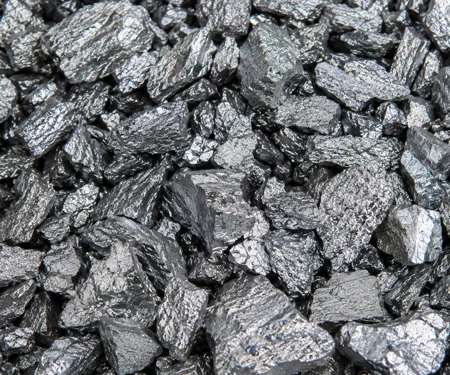
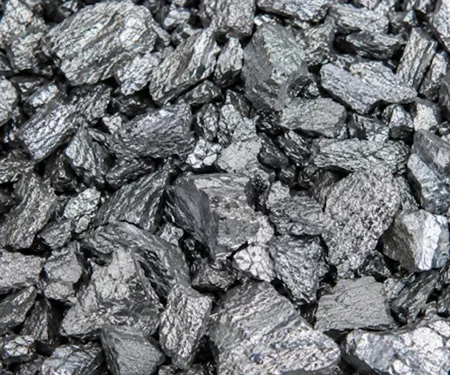
From 2008 to 2017, China's involvement was embodied by major players such as Chalco, China Power Investment (CPI), and the Compagnie de Développement des Mines Internationales (CDM). CDM, a subsidiary of CHICO, a Henan-based Chinese state-owned enterprise, entered the Guinean mining scene in May 2008. In October 2010, it secured a concession to operate a bauxite mine across 488 square kilometres in Boké and Télimélé prefectures. With reserves of approximately 1.5 billion tons of gibbsite-type bauxite averaging 40.79 per cent alumina content, CDM began production in March 2017. Today, it employs 1,403 people, 90 per cent of whom are Guineans, underscoring its commitment to local employment.
In 2024, CDM's production soared, exporting 6.82 million tonnes of bauxite from January to August. The company aims to reach 10 million tonnes by the year's end, reflecting its robust growth trajectory.
Environmental benchmarks in mining operations
Environmental sustainability is integral to CDM's operations. The company has established a hygiene, safety, health, and environment (HSSE) department incorporating nearly 100 professionals tasked with monitoring safety, health, and environmental standards across mining sites, roads, and communities. At the Filbowal base camp, 50 kilometres from Boké, CDM's Director General, Yaffa Sékou Sylla, explained that the company uses modern extraction machines to minimise noise, vibrations, and dust pollution.
Recognising the need to balance environmental concerns with increased mining activity, CDM strives to merge growth imperatives with ecological protection. "We include these aspects not in a dualism but as an alliance essential for achieving our goals," remarked Sylla.
Managing mining waste and site restoration
CDM mitigates pollution risks by adhering to stringent waste storage protocols. The company employs dedicated storage areas that are compliant with industry standards and continues to refine geological techniques to optimise mining strategies.
Reforestation of mined areas poses a significant challenge. CDM has adopted a "green mining" approach, integrating site rehabilitation into the entire mining lifecycle. Collaborating with local experts and government authorities, the company has developed a comprehensive restoration plan. Exhausted mining sites have been repurposed for agricultural use by local communities.
"In open-pit mining, the first challenge is finding a location for slag heaps. These tailings are stored to prevent environmental harm," explained Sylla. "Site restoration involves reforesting degraded areas. Communities are involved through small groups that grow nurseries for replanting. Tailings are prepared to support plant growth and restore ecosystems and biodiversity."
Supporting the local communities
CDM emphasises the importance of aligning its growth with community development. This includes fostering local employment and supporting small and medium-sized enterprises (SMEs). "It would be unwise to develop mining activities without addressing the vital needs of local communities," said Sylla.
Since 2017, CDM has contributed over US$2.5 million to community development, with 0.5 per cent of its annual turnover allocated to the Local Development Fund (FODEL). Additionally, 90 per cent of the surface area tax is directed to affected communities, particularly Télimélé, which bears the most prominent impact within CDM's 488-square-kilometre concession.
Key contributions include 53 boreholes for drinking water, a school, five mosques, a poultry farm, 1,350 photovoltaic street lamps, 350 kilometres of laterite roads, and 350 tonnes of rice. These efforts have significantly improved local living conditions. The company has also created 3,700 direct and indirect jobs for Guineans, with 90 per cent of supplies sourced locally for ore transport and road safety operations.
Overcoming challenges and future prospects
Seven years after launching its first bauxite exports, CDM aims to maintain its momentum, planning to export 10 million tons by the end of 2024. To address logistical challenges, the company intends to build its own port near Dapilon and Gèmè Saint-Jean on the Atlantic coast, 300 kilometres northwest of Conakry.
"Our current storage capacity of 560,000 tonnes is insufficient. Additionally, port access often faces bottlenecks, with trucks waiting over two hours," Sylla noted. This underscores the need for dedicated infrastructure to streamline mineral transportation and sustain the growth of Guinea's mining sector, a vital revenue source for the state.
As CDM continues to expand, its commitment to balancing economic growth with environmental stewardship and community development sets a benchmark for responsible mining in Guinea.












_md.webp)