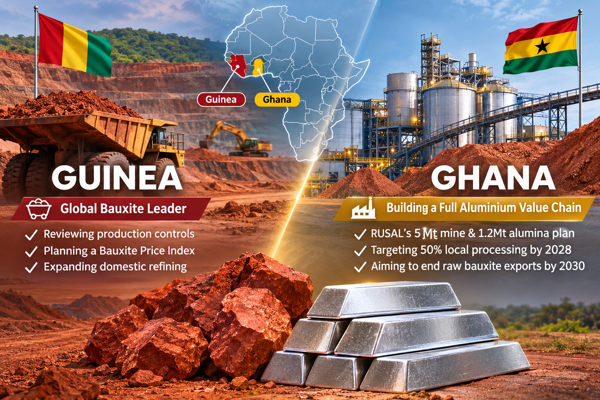
Guinea and Ghana are approaching the global bauxite market from very different positions. While Guinea has established itself as the powerhouse of international bauxite supply, its growing export volumes are creating a new challenge of maintaining prices and protecting the economic returns from its mineral wealth. Ghana, meanwhile, is looking beyond raw ore exports, pursuing foreign investment, domestic alumina refining and stronger integration across its aluminium industry. The contrast is becoming increasingly momentous, with Guinea considering production controls and a national bauxite pricing mechanism to strengthen its influence over the market. Au contraire, Ghana is attracting international companies, including Russia’s RUSAL, to develop its largely untapped deposits and establish...
Industrial emissions across the European Union (EU) have declined by 3.3 per cent year-on-year in 2025, while the European Commission plans to widen the Carbon Border Adjustment Mechanism (CBAM) to cover 180 additional downstream aluminium and steel products. The proposed expansion, scheduled for 2028, signals a broader application of the EU’s carbon rules, extending their reach beyond basic materials to manufactured goods. According to the Commission’s November 9 report on the functioning of the European carbon market in 2025, lower emissions from metals, cement and chemicals contributed to industrial emissions reduction from installations covered by the EU Emissions Trading System (ETS). Under the ETS, free emission allowances are distributed according to performance benchmarks based on...
Grow with
AL Circle
According to SMM survey statistics, the operating rate of the secondary aluminium alloy industry in September was 35.0 per cent, up 3.1 percentage points M-o-M but down 6.7 percentage points Y-o-Y. Industry production continued its recovery trend, but the overall operating level remained below the same period last year. On the demand side, September marked the traditional peak consumption season, with downstream orders recovering from August. End-use demand from automobiles and other sectors improved marginally, but the peak season effect has yet to fully materialise. According to CAAM data, automobile production in September was 2.99 million units, up 11.4 per cent M-o-M but down 8.7 per cent Y-o-Y. NEV production was 1.814 million units, up 12.2 per cent Y-o-Y. CAAM noted that China's...

China’s growing red mud waste problem could offer an opportunity for the construction industry, as new research has demonstrated how aluminium industry residue can be converted into stronger cementitious materials. The study found that sulphate activation using flue gas desulphurisation gypsum achieved a compressive strength of 7.33 megapascals (MPa), more than double that of untreated mixtures. Researchers also identified the fractal geometry of microscopic pores as a potential indicator of material strength. The findings could support efforts to develop low-carbon construction materials from industrial waste, including red mud generated during alumina refining. However, the results also highlight a key engineering trade-off: the activation method that delivered the highest compressive...

Europe’s aluminium scrap exports to the US have risen by 243 per cent, highlighting a growing concern over the continent’s access to strategic raw materials as it pursues recycling, decarbonisation and industrial competitiveness. Evangelos Mytilineos, Executive Chairman of METLEN, raised the issue, linking scrap outflows to the broader challenges facing European industry, energy security and strategic autonomy. Aluminium scrap outflows raise industrial concerns Mytilineos referred to the contrasting US tariff treatment of aluminium products, i.e., a 50 per cent tariff on primary aluminium, compared with zero tariff on scrap . With European aluminium scrap exports to the US increasing by 243 per cent, he questioned whether Europe could strengthen its industrial base while allowing valuable...
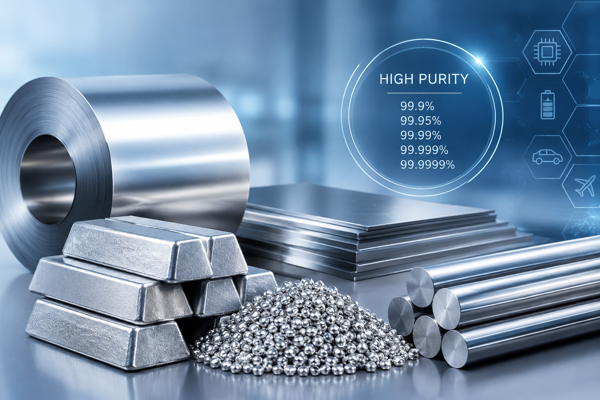
German aluminium producer Speira has launched CORIS, a new product label for high-purity aluminium designed for advanced technology applications, including semiconductors, electronics, aerospace, medical technology and electrification. The CORIS range covers aluminium purity levels from 99.9% (3N) to 99.9999% or higher (6N+). Speira said the products are designed to meet the growing demand for materials with high electrical and thermal conductivity, precision and reliability. The company controls trace elements at parts-per-million (ppm) levels to maintain consistent material quality and performance. High-purity aluminium is used in applications where even small amounts of impurities can affect the material's properties. Join the fourth edition of webinar " Hedging for recyclers - Become...

London Metal Exchange (LME) three-month aluminium prices have returned to just above USD 3,000 per tonne, close to their levels in early February, before US and Israeli military operations against Iran began. However, the apparent stability in prices masks continuing pressure across the physical aluminium supply chain, following Iranian missile attacks on Gulf smelters and disruptions to shipping through the Strait of Hormuz. Almost 3 million tonnes of aluminium production capacity has been knocked out by the disruptions. Eight months later, the market appears relatively unconcerned, with traders relying on rising output from Indonesia and increased Chinese exports of aluminium products to compensate for the shortfall until Gulf smelters recover and shipping through the Strait of Hormuz...

Metro Mining has lowered its 2026 bauxite shipment guidance to 6.0–6.5 million wet metric tonnes (WMT), following below-plan performance in September at its Bauxite Hills Mine in Far North Queensland, Australia. The revised outlook factors in ongoing mitigation measures, mine productivity improvements, channel maintenance and potential weather-related constraints as the company seeks to maximise shipments before its planned February maintenance shutdown. The revised guidance was considered by Metro Mining’s Board of Directors on October 19, following the company’s September operational update issued on October 12. The company acknowledged investor disappointment after a challenging year, while maintaining that it is working to improve operating performance and deliver bauxite to market at...
Australia’s Mount Ridley Mines is expanding its Selectro processing technology beyond critical minerals, with a second provisional patent application targeting industrial feedstocks such as bauxite and potentially opening new licensing and partnership opportunities. Mount Ridley Mines Ltd (ASX: MRD) has lodged a second provisional patent application for its proprietary Selectro hydrometallurgical technology, seeking to protect an adapted version of the process designed to recover metals from industrial feedstocks. Filed on October 15 2026, with IP Australia through its wholly owned subsidiary, Mount Ridley Tech, the application follows the company's initial Selectro patent filing in August 2026. The new application covers an adaptation of the technology in which the reagent molecule has...
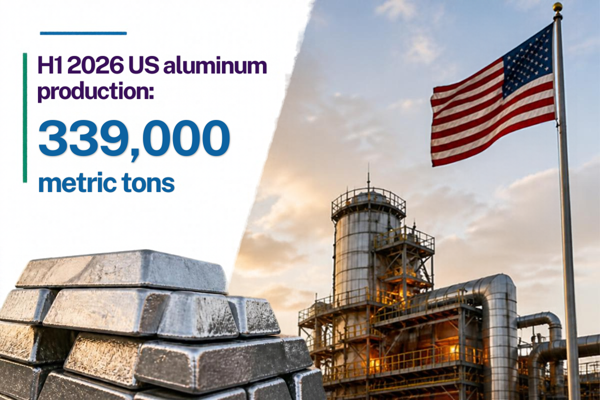
The US aluminum industry, through its troubled journey over the past four decades, has been holding on to its remaining active smelters to maintain domestic aluminum production. However, its production figures reveal how little ground it has regained. Stability has been a strong suit, with 339,000 metric tons produced in H1 2026, yet matching the volume recorded in H1 2024. With domestic primary production still constrained, the focus is shifting to whether the Century Aluminum’s Mt Holly restart and the proposed Oklahoma primary aluminum smelter can turn modest gains into a sustained supply revival. Explore the production, demand and consumption forecasts of bauxite and alumina in our report: “ Global Bauxite & Alumina Market Forecast to 2036: Supply–Demand, Trade Flows & Price Outlook ”...

Domestic alumina spot prices edged lower last week, though trading activity picked up modestly. On the supply side, China's operating alumina capacity stood at around 98.9 million tonnes per year recently. One Guangxi refinery with a normal run rate of 2.3 million tonnes per year curtailed another production line, bringing current operating capacity down to 1 million tonnes per year. Separately, a newly commissioned alumina project in Guangxi has begun shipping finished product. The plant started feeding on September 21 and is now in a phase of quality optimisation and ramp-up, targeting full production next month at around 2 million tonnes per year. With industry margins compressing further, higher-cost operators face mounting pressure; coupled with recent weather-related disruptions in...
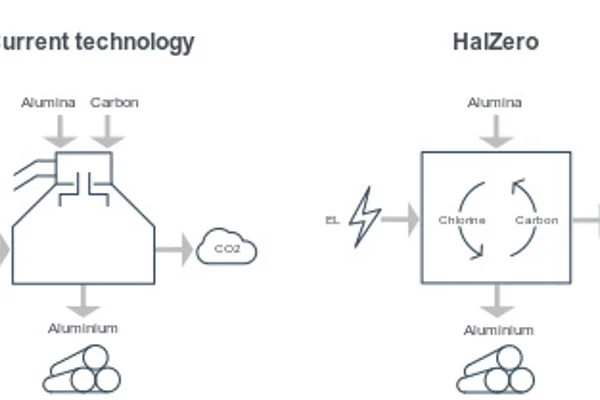
Enova, a state enterprise owned by the Norwegian Ministry of Climate and Environment, has awarded Hydro close to NOK 82 million for a feasibility study for the next phase in the development of HalZero, Hydro’s technology for aluminium production with net-zero CO2 emissions. The funding from Enova will be used for concept development and planning of an industrial pilot facility (Industrial Concept Pilot, ICP), laying the foundation for further development and scaling of the technology. “The support from Enova enables us to further develop the plans for the next phase of HalZero. This is an important step in developing and scaling the technology toward potential deployment at industrial scale,” says Hanne Simensen, Executive Vice President of Hydro Aluminium Metal. HalZero is Hydro’s...
The London Metal Exchange (LME) aluminium price chart continued to report gains over the October 15 close across the pricing segment on the October 19 trading session. Near-term and long-term contracts, however, registered an eased trend. The LME aluminium cash bid jumped from USD 3,013 per tonne to USD 3,018.5 per tonne, rising 0.18 per cent. The offer price moved from USD 3,014 per tonne to USD 3,019 per tonne, up 0.17 per cent day-on-day. Explore- Most comprehensive and forward-looking industry-focused report — Global Bauxite & Alumina Market Forecast to 2036: Supply–Demand, Trade Flows & Price Outlook The LME aluminium three-month bid contracted by 0.05 per cent to USD 3,010 per tonne from USD 3,011.5 per tonne. Meanwhile, the offer price reported no change from USD 3,012 per tonne....
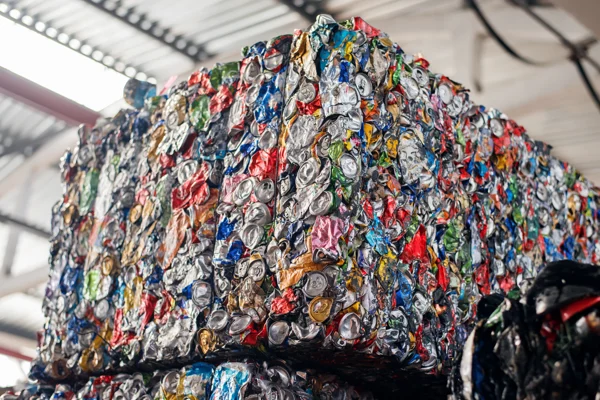
The US aluminium used beverage can (UBC) scrap price benchmark tracked by Argus recorded a mixed performance over the third quarter of 2026, declining in July before rising in August and September. The monthly average increased from USD 2,322.89 per tonne in July to USD 2,491.22 per tonne in August and USD 2,602.51 per tonne in September, indicating a sustained recovery in the benchmark over the three months. July: Prices decline despite a high opening The benchmark began July at USD 2,464.98 per tonne on July 1, before falling sharply to USD 2,270.76 per tonne on July 3. The price remained at that level on July 2 and July 6, the lowest recorded price for the month. It subsequently recovered gradually, reaching USD 2,319.86 per tonne on July 10 and USD 2,328.63 per tonne on July 22....
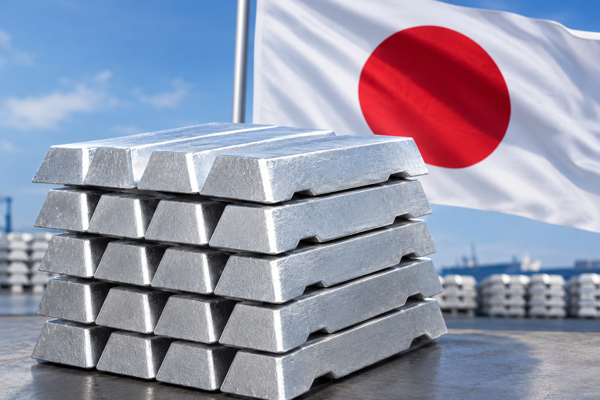
Japan’s quarterly aluminium premiums, known as Main Japanese Port (MJP) premiums, rose sharply in the first nine months of 2026 before falling ahead of the fourth quarter. The premium increased from USD 195 per tonne in January-March to USD 350-353 per tonne in April-June. It then reached USD 395 per tonne in July-September, its highest level in 11 years, as supply remained tight and geopolitical tensions affected the market. The Q1 2026 settlement was around 127 per cent higher than the USD 86 per tonne recorded in Q4 2025. The premium rose by another 79-81 per cent in Q2 and increased by a further 12-13 per cent in Q3. Tight aluminium supplies, lower inventories and competition from buyers in Europe and the US have contributed to the rise. Premiums in both markets have also remained...
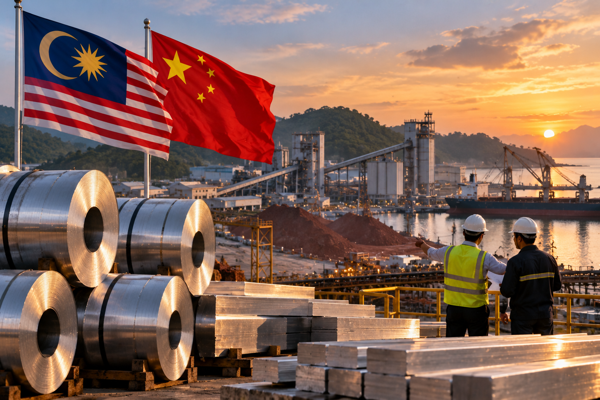
Malaysia could attract a significant new investment in aluminium manufacturing, with Chinese investors assessing potential sites in Sarawak as they look to expand their international business. Samalaju Industrial Park in Bintulu is among the locations under consideration, Deputy Prime Minister Datuk Seri Dr Ahmad Zahid Hamidi said. The proposed facilities could serve downstream industries, including construction and automotive manufacturing, while helping Malaysian-made products reach a wider customer base. According to Ahmad Zahid, the prospective investors would bring established market networks that could support the expansion of Malaysia’s exports. To facilitate the proposal, Ahmad Zahid said he would approach the Malaysian Investment Development Authority (MIDA) and the Investment,...
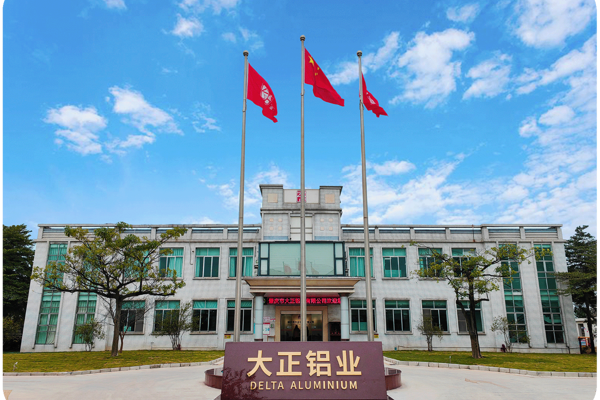
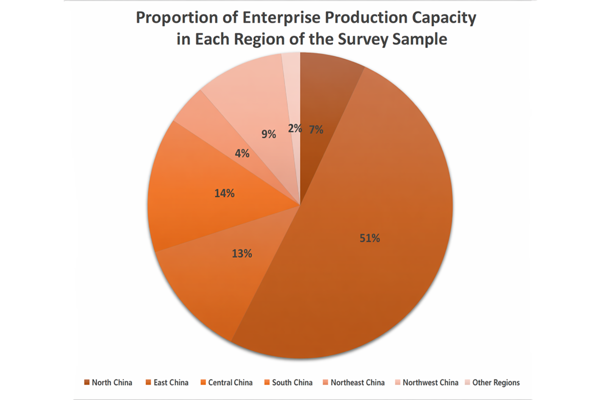
To systematically build a new ecosystem for the green development of the cast aluminium alloy industry and help enterprises precisely connect with high-quality supply chain resources, SMM has officially launched the compilation of the "2027 SMM Low-Carbon Cast Aluminium Alloy Enterprise Distribution Map". This distribution map will provide a panoramic view of China's low-carbon cast aluminium alloy industry layout, focusing on key data such as enterprise regional distribution, core products, low-carbon certification qualifications, and annual capacity scale, creating an authoritative platform for industry resource matching. Hereby, SMM, together with, jointly invites upstream and downstream organisations to participate in the production and promotion. Partners from all sectors are welcome...

Germany’s last remaining primary aluminium producer, TRIMET Aluminium SE, has a combined nameplate capacity of approximately 540,000 tonnes per year across its German and French smelters. Yet Germany exported 466,756 tonnes of unwrought primary aluminium in 2025, equivalent to 86.44 per cent of that combined capacity. Exports reached 501,678 tonnes in 2023 and 449,590 tonnes in 2024, while shipments totalled 273,080 tonnes between January and July 2026. The comparison presents an intriguing picture of Germany’s aluminium industry. Despite having a limited primary smelting base, the country continues to export hundreds of thousands of tonnes of unwrought aluminium annually. At the same time, it imported 2 million tonnes of primary aluminium in 2025, more than four times its exports. Why...

Alcoa Corporation has declared a quarterly cash dividend of $0.10 per share of its common stock, payable on November 13, 2026. Shareholders recorded as of the close of business on October 27, 2026, will be eligible to receive the dividend, the company announced. The company has continued its quarterly dividend at $0.10 per share, maintaining the same payout level announced in its previous dividend declarations in 2026, according to the company's investor relations records. Looking for alumina refinery raw materials? Compare grades, explore sourcing options, and connect with global suppliers on AL Biz.

Press Metal Aluminium Holdings Bhd is facing pressure on its earnings as aluminium prices fall below US$3,000 per tonne and carbon anode prices reach a three-year high. The increase in raw material costs, combined with weaker aluminium prices, has led RHB Research to lower its earnings forecasts for FY26 to FY28, although the firm has retained its “Buy” recommendation on the company. RHB Research linked Press Metal’s nine percent single-day share price decline to lower aluminium prices, higher carbon anode costs, concerns over rising US inflation, tighter monetary policy and a stronger US dollar. Aluminium prices fell to US$2,987 per tonne as market sentiment weakened following a sell-off in artificial intelligence-related stocks. Expectations of a faster-than-anticipated recovery in the...