您想继续阅读英文文章还
是切换到中文?
是切换到中文?

THINK ALUMINIUM THINK AL CIRCLE

Stock image for referential purposes only
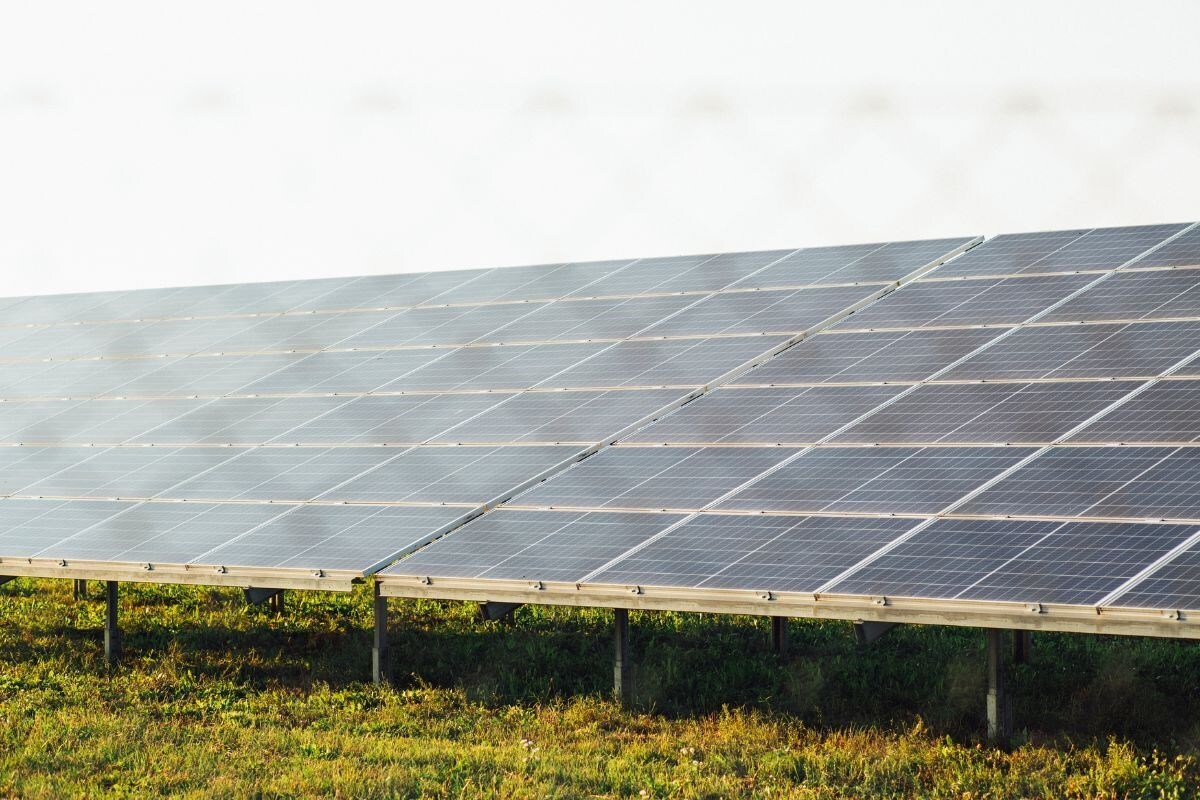
Among all power sources, solar capacity recorded the fastest growth, surging 26.2 per cent on year to 1.25 billion kW. followed by wind power, which rose 22 per cent to 660.62 million kW. In comparison, thermal power capacity mostly coal-based increased at a slower pace of 6.8 per cent, reaching 1.56 billion kW.
{alcircleadd}While the expansion continued, the pace of renewable capacity growth has clearly slowed this year, especially for solar power. Between January and April, China added 50.91 million kW of solar capacity, just half the 104.93 million kW over the same period last year, marking a 51.5 per cent drop.
After expanding rapidly in 2024 and 2025, China's solar sector has begun to cool amid a combination of policy adjustments, grid integration bottlenecks, thinner profit margins and ongoing industry restructuring, analysts said.
This year, authorities tightened approvals for new projects in regions where solar installations were approaching saturation. Meanwhile, changes in project return models and mounting profitability pressure have made investors more cautious, delaying some planned installations.
Another major challenge for the sector is the slower pace of transmission infrastructure development, which has constrained the grid's ability to absorb renewable generation. In the first quarter, only 90.6 per cent of solar output was utilised by the grid, down 3 percentage points from the same period of 2025.
Discover how leading aluminium companies are driving the next phase of the sustainability transition from our e-Magazine, “Sustainability & Recycling: Aluminium’s Dual Commitment.”
In contrast, thermal power capacity expansion accelerated this year. In the first four months, China added 28 million kW of thermal power capacity, 70,9 per cent higher than the additions recorded during the same months last year.
The faster deployment of thermal power capacity is expected to lend stronger support to coal demand and help underpin coal prices, analysts noted. "With more coal-fired units coming online this year, the additional baseload demand will provide solid support to coal consumption, a Shanghai-based analyst said.
In the short term, the slower rise in renewable absorption has forced the power system to rely more heavily on thermal generation to meet growing power demand, unintentionally supporting coal demand, sources said.
Note: This news is published under a content and exchange agreement with Mysteel

Responses