China’s solar panel industry is shrinking: Impact of overcapacity, price collapse & socioeconomic volatility
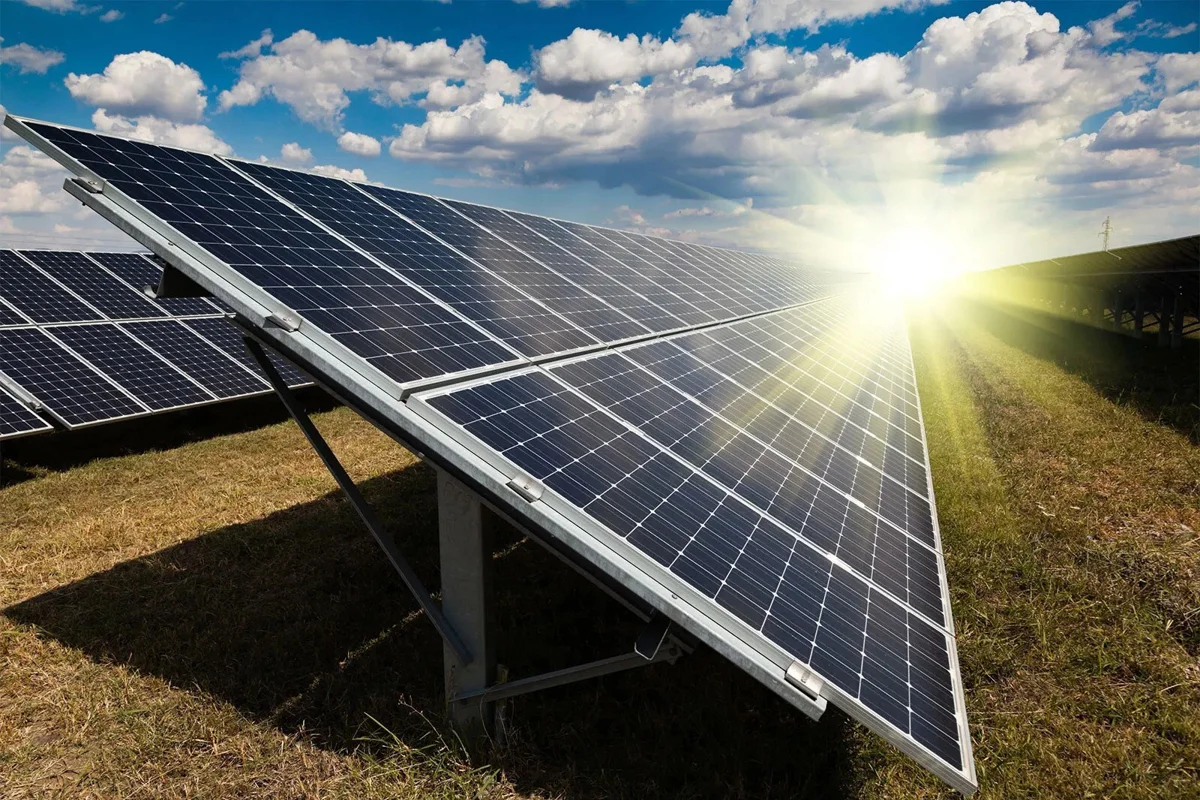
China’s solar panel manufacturing sector is facing a serious slowdown despite solar energy becoming the cheapest form of clean power worldwide.
Over the past decade, China emerged as the global leader in solar panel production. Strong government support, large-scale industrial expansion, and technological advancements enabled manufacturers to significantly reduce production costs. As a result, solar panels became more affordable.
This rapid expansion has created a major imbalance. Manufacturing capacity in China is 500 GW per year, exceeding the global demand of 270 GW in 2024. This oversupply has intensified competition among producers, leading to a sharp decline in prices. In many cases, solar panels are being sold below their production cost.
For the global aluminium value-chain 2026 outlook, book our exclusive report “Global ALuminium Industry Outlook 2026"
Falling prices have severely reduced profit margins. In just 18 months, the solar module prices dropped about 50 per cent. Many companies are operating at financial losses, especially small and medium-sized firms with heavy losses (-15 per cent to -10 per cent), low capacity use (40 per cent), and high bankruptcy risk. Consequently, several factories have reduced production, suspended operations, or shut down entirely.
Chinese government policy is shifting from aggressive expansion toward industrial stability. Beijing aims to prevent a full industry collapse, as solar panels are vital for domestic clean energy targets and export income. While authorities are not directly mandating closures, financial institutions have become more cautious in extending credit to struggling firms.
The slowdown has broader economic implications. Regions that depend heavily on solar manufacturing for employment may experience job losses and local economic stress. Workers specialised in solar production will face challenges in finding equivalent employment.
Don't miss out- Buyers are looking for your products on our B2B platform
Although low panel prices benefit consumers and accelerate renewable energy adoption globally, prolonged financial instability may weaken long-term innovation and investment in the sector. Sustainable industrial growth requires balancing production capacity with actual market demand. In the words of Dr. Sarah Kim, energy economist at Beijing University, “Short-term, everyone loves cheap solar. Long-term, an industry that can’t make money can’t invest in the next generation of technology.”
China’s experience demonstrates that rapid industrial growth, even in important sectors like renewable energy, must be carefully managed to avoid structural imbalances and economic strain.

French Aluminium consortium launches CO2 capture pilot trials
Next articleASI certifies Shandong Innovation Sheet Materials Co., Ltd. against Performance Standard V3.1 and Chain of Custody V2
Grow with
AL Circle