您想继续阅读英文文章还
是切换到中文?
是切换到中文?

THINK ALUMINIUM THINK AL CIRCLE

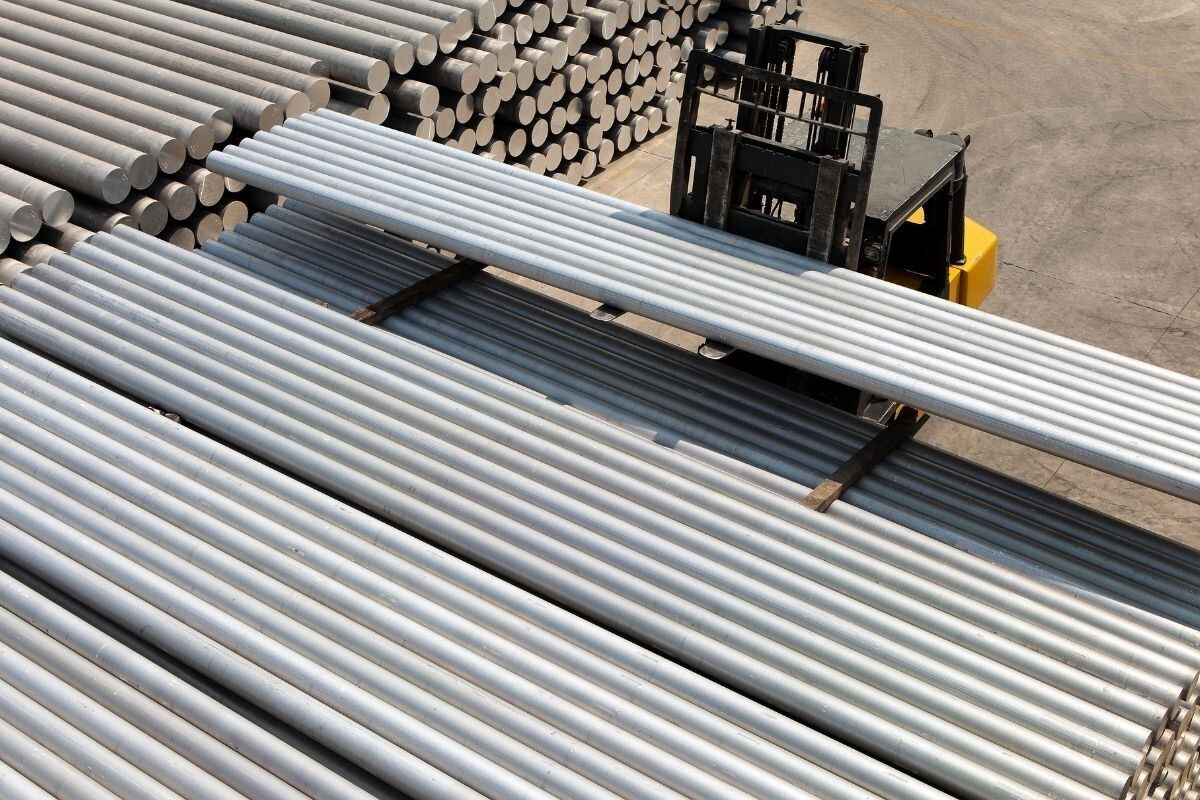
Stock image for referential purposes only
The aluminium bar market in Nanchang is currently characterised by a stark divergence: social inventories have plunged to historic lows amid severe supply-side disruptions, yet downstream demand remains sluggish as the traditional off-season sets in. While tight spot availability has propped up processing fees, breaking free from previous negative ranges, the underlying weakness in consumption suggests this support may be fleeting once logistical bottlenecks ease.
{alcircleadd}Inventory trend analysis
The total traders' inventory of aluminium bars in the Nanchang market stood at 7,500 tonnes, down 67.39 per cent year-on-year compared to 2025. Since entering June, despite intensified aluminium price volatility, Nanchang's aluminium bar inventory has remained at low levels.
The continuous destocking of aluminium bars coupled with high processing fees pulling back indicates that the pattern of weak supply and demand continues. From the perspective of the driving forces behind destocking, this round of continuous inventory decline was not driven by strong downstream demand, but rather by passive destocking caused by insufficient supply-side arrivals.
Specifically, since late May, northwest supplies have been severely hindered in shipment despite available stocks, due to tight railway wagons and difficulties in securing transport. At the same time, rising LNG prices for road transport have pushed up logistics costs. To control expenses, some northwest producers have voluntarily reduced shipments to Nanchang, diverting supplies to markets in Sichuan and Chongqing.
The global aluminium casting usage is expected to reach 24.2 million tonnes in 2026. To know about the future market trends, prebook our upcoming report “Global Aluminium Casting Market 2026-2032”
Additionally, the prolonged period of low, and even negative processing fees in the Nanchang market, combined with weak downstream demand, significantly dampened the willingness of upstream aluminium bar plants and traders to ship to Nanchang, keeping arrival volumes consistently low. With severely insufficient arrivals and downstream buyers only maintaining sporadic restocking for immediate needs, traders' inventories were passively consumed, eventually dropping to the current historical low of 7,500 tonnes.
On the demand side, downstream aluminium profile processors have been hit by low demand throughout the year even during the traditional seasonal high. While leading large plants operated near full capacity, the small and medium-sized plants relied on poor home decoration orders to sustain operations, without the kind of frenzied rush for bars or maxed-out capacity seen in booming markets.
By late June, the traditional off-season had set in: orders declined both year-on-year and month-on-month, operating rates dropped, and extrusion plants generally stopped hoarding aluminium bars. They primarily consumed existing inventories through order-by-order purchasing, showing sluggish procurement willingness and heavy wait-and-see sentiment. Even the weekly thousand-yuan plunge in aluminium prices in June (high of RMB 24,740 per tonne, low of RMB 22,840 per tonne, with a cumulative monthly drop of nearly RMB 1,900 per tonne) failed to trigger concentrated restocking downstream, with only sporadic rigid demand-based pickups observed.
Analysis of processing fee trends in the Nanchang market
In the first half of 2026, aluminium bar processing fees in the Nanchang market generally showed an upward trend, with the price centre clearly higher than at the beginning of the year. This movement was not unilaterally driven by a sudden increase in downstream demand, but rather resulted from insufficient supply-side arrivals caused by various aforementioned factors.
After the first round of sharp increases in March, driven by a short-term burst of delayed demand combined with slow recovery of upstream plants, fees received renewed support from late May to June amid persistently low arrivals and tightening spot circulation. This allowed processing fees to shake off the previous negative range and remain relatively firm even as demand gradually entered the off-season.
Entering May, the demand side did not collapse drastically. However, the supply side was affected by the dual pressures of low processing fees and weak demand, along with chronically low local arrivals. Tight spot supply provided a floor for processing fees, keeping them relatively resilient amid aluminium price volatility.
Nevertheless, current downstream new orders lack momentum, and extrusion plant profits are being squeezed from both sides by the sharp aluminium price drop and high processing fees. To cut costs, the substitution rate of recycled aluminium bars for molten aluminium bars is increasing, with recycled bars gradually eating into the market share of molten aluminium bars thanks to their price advantage.
To learn about the autonomous furnace tending in aluminium cast houses from RIA Cast House Engineering, join the webinar Autonomous furnace tending in aluminium cast houses: Improving safety, productivity and yield
Conclusion
In summary, recent aluminium prices have been hit by macro factors and the off-season, with thousand-yuan drops in a single week, while aluminium bar processing fees remained relatively firm. The Nanchang aluminium bar market exhibits weak supply and demand.
On the supply side, transportation disruptions and low arrivals led to inventory at extremely low levels. On the demand side, off-season orders have declined, with only rigid demand-based pickups. It is expected that terminal consumption will continue to weaken in July, further slowing the pace of social inventory destocking, with the overall market trend biased to the downside ahead. Low inventories and tight spot supply supported processing fees in remaining firm, but if arrivals recover later, this support will collapse, putting downward pressure on processing fees.
Note: This news is published under a content and exchange agreement with Mysteel
Responses