您想继续阅读英文文章还
是切换到中文?
是切换到中文?

THINK ALUMINIUM THINK AL CIRCLE

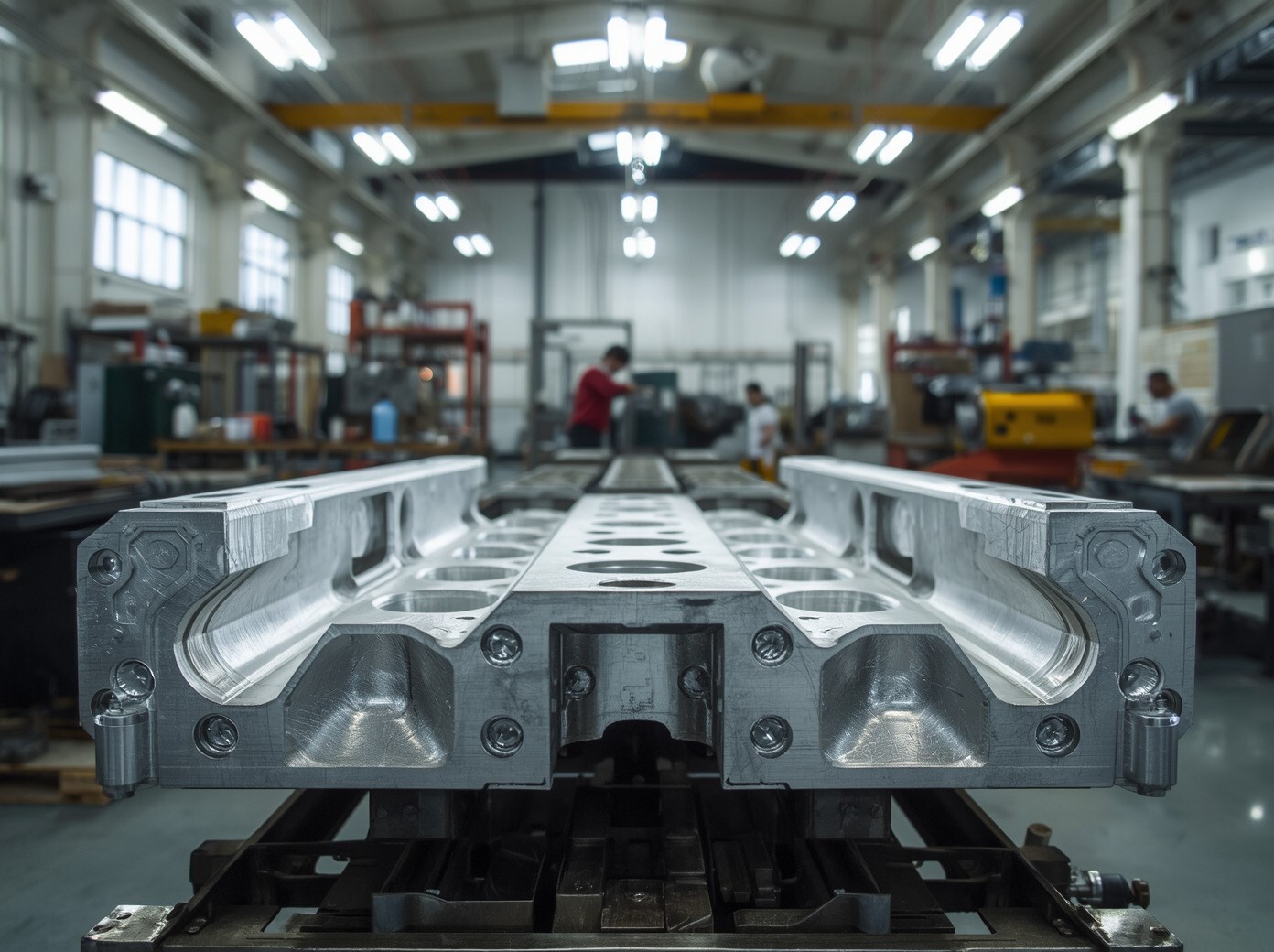
The image used in this article is generated with an AI tool and does not depict any real-time moment
This week, the operating rate of major Chinese downstream aluminium processing companies was 64.1 per cent, down 0.3 percentage points week-on-week. The sector as a whole showed a weak recovery trend, but significant structural divergence persisted internally.
{alcircleadd}The operating rate for aluminium wire and cable rose 0.4 percentage points week-on-week to 68.0 per cent, driven by strong growth in export orders and support from power grid projects. The operating rate for aluminium sheet and strip fell 0.4 percentage points to 72.6 per cent; although high aluminium prices suppressed downstream commodity withdrawals, demand for battery casings and brazing materials for the energy storage sector, along with strong growth in export orders for new energy vehicles, provided a floor to offset weak demand for standard sheets.
The operating rate for primary aluminium alloys remained stable at 58.2 per cent, supported by resilient exports and stable domestic demand; falling aluminium prices boosted downstream inquiries, but conversion into orders remained limited.
The operating rate for aluminium extrusion rose slightly by 0.2 percentage points to 57.6 per cent, with the peak construction season in northern China and deliveries of photovoltaic frame orders driving the recovery in extrusion for construction and industrial use, although the weak real estate recovery continued to weigh. The operating rate for aluminium sheets fell by 0.4 percentage points to 73.6 per cent; demand for sheets for energy storage batteries was high, while production of sheets for air conditioning was hampered by weak domestic demand and high inventory.
The operating rate for secondary aluminium producers fell sharply by 1.5 percentage points to 54.9 per cent, with raw material shortages and cost pressures persisting, exacerbated by weak demand, forcing companies to cut production. Currently, the aluminium processing sector as a whole relies on the resilience of exports, strong growth in energy storage, and infrastructure orders to offset weak domestic demand. Going forward, attention should be paid to the sustainability of demand outside of China, the impact of aluminium price trends on purchasing power, and the recovery momentum in traditional sectors.
Primary aluminium alloy: This week, the operating rate of major Chinese primary aluminium alloy companies remained stable week-on-week at 58.2 per cent. On the supply side, companies generally continued normal production of long-term contracts without significant adjustments to production schedules, maintaining stable operations. Demand showed structural changes. First, the export side continued to perform well, with aluminium wheel export data for April rising 19.43 per cent MoM and 12.71 per cent YoY, and the recovery in export orders provided some support for aluminium alloy demand.
Second, the Chinese market demand remained generally stable, with no significant growth drivers emerging. Notably, aluminium prices have recently declined, and some downstream companies have begun actively inquiring and quoting, with purchase willingness improving slightly compared to the previous period. However, as price transmission and order fulfilment still require time, the actual transaction increments this week were limited and did not significantly boost the current operating rate.
Overall, the primary aluminium alloy industry is operating steadily, with the operating rate remaining at 58.2 per cent for two consecutive weeks. Considering the stimulating effect of falling aluminium prices on downstream purchasing willingness and the gradual increase in inquiry activity, the industry's operating rate is expected to rise slightly next week.
Aluminium sheets and strips: This week, the operating rate of major aluminium sheet and strip companies fell 0.4 percentage points WoW to 72.2 per cent. At the company operating level, some major aluminium sheet and strip companies were pressured by high aluminium prices and increasing downstream hold-up sentiment.
The average price of aluminium ingot in May remained at an elevated level around RMB 24,300 per tonne, with end customers increasingly fearful of price drops and generally adopting a "buy small volumes as needed, settle at daily prices" model, causing periodic disruptions to the shipping pace of processing companies.
By product, domestically driven tight demand orders for can stocks and other products remained stable, while the energy storage sector showed robust demand for battery housings, brazing materials, and related products, with relevant companies increasing production schedules to ensure deliveries, providing floor support for the operating rate.
Orders for automotive sheet metal benefited from YoY growth in domestic production and sales of new energy vehicles and continued strong export growth, which is in a recovery phase. On the export front, in the context of a global aluminium supply deficit, export orders for sheet metal performed strongly, with export orders booked by companies until the end of July.
Looking ahead to June, high aluminium prices will continue to dominate the market pace. Dragged down by pressure on domestic orders for standard sheet metal, the operating rate is expected to maintain a stable to weak trend.
Aluminium wire and cable: This week, the operating rate of the Chinese aluminium wire and cable industry was 68.0 per cent, up 0.4 percentage points from the previous week. The industry's operating rate strengthened again during the week, driven primarily by the continued growth in export order volumes for aluminium wire, with both purchasing volume and shipments maintaining positive growth.
Companies reported that production schedules for export orders of braided aluminium wire already cover six months to two months of orders, driving the operating rate to continue strengthening in the short term. On the demand side, traders reported that with spot prices for aluminium outside China continuing to rise, they received considerable orders from Southeast Asia, which are gradually being channelled to domestic manufacturers.
Supported by current export orders and combined with planned production of orders for domestic power grid projects by manufacturers, industry shipments continue to show an upward trend. The operating rate of the Chinese aluminium wire industry is expected to hold up well in the short term.
Aluminium extrusion: This week, the operating rate of the Chinese aluminium extrusion industry was 57.6 per cent, up 0.2 percentage points from the previous week, with the industry maintaining a moderate recovery trend. For construction extrusion, some companies organized production based on orders from large-scale engineering projects in their backlog, providing support for overall operations. Companies in the Shandong region reported that temperatures have been steadily rising recently, and northern China has entered the construction window period, boosting end-user demand for residential renovation and window/door replacement. For industrial extrusion, the recent weakening of phased aluminum prices has increased downstream purchasing willingness, driving order growth and boosting operations. Additionally, photovoltaic frame companies in Hebei reported delivery orders arriving in early June, with increased production schedules this week boosting operations. Overall, while the recovery in the housing market remains weak, large-scale engineering orders in the backlog have volume advantages and longer delivery cycles, providing stable short-term support for operations. Combined with rising temperatures driving consumption of windows and doors for residential renovation, construction extrusion operations will continue to recover. The fundamentals of industrial extrusion remain resilient, with stable, hard demand in downstream manufacturing, but caution is needed regarding subsequent aluminum price fluctuations, which could suppress downstream buying sentiment. Aluminum extrusion operations are expected to continue to rise in the coming week.
Aluminum foil: This week, the operating rate of major aluminum foil companies fell 0.4 percentage points week-on-week to 73.6 per cent. In terms of order structure, end-use demand for energy storage remained strong, with battery production in May exceeding 80 GWh and orders from major players booked through the third quarter and beyond, providing strong support for battery foil. As double-zero foil production lines were successively converted to battery foil production, the supply of packaging foil in the market contracted notably. In the context of tight global supply of aluminum semi-finished products, increased export orders further boosted the prosperity of packaging foil. However, the air conditioning foil segment became the main drag: production schedules for domestic sales of residential air conditioners in June fell sharply year-on-year, and under high inventory and cost pressure, companies were extremely cautious with production schedules. Air conditioning foil production schedules are expected to continue to decline. Looking ahead to June, demand for energy storage and packaging will continue to underpin the operating rate, but the clear downward trend in domestic orders for air conditioning foil will continue to drag down overall industry production, leading the center of the overall aluminum foil operating rate to continue shifting downwards in June.
Secondary aluminum: This week, the operating rate of major secondary aluminum producers fell 1.5 percentage points week-on-week to 54.9 per cent, with production cuts spreading across the industry. As the supply of compliant raw materials remained tight and cost pressures were difficult to pass downstream, companies actively or passively reduced production loads. Companies' raw material inventories continued to be depleted, with limited replenishment volumes, and expectations of supply contraction intensified. Market concerns about tightening future supply sources increased, with low-price sources diminishing notably. The demand side remained weak, with slow downstream order tracking, generally weak transactions, and purchases focused on tight replenishment. Weak demand further dragged down operations. In the short term, under the dual pressure of high costs and weak demand, the operating rate of secondary aluminum producers continues to trend downward.

Note: This article has been issued by SMM and has been published by AL Circle with its original information without any modifications or edits to the core subject/data.
Responses