China identifies 183 million tonnes of bauxite resources at the huge Shanxi deposit
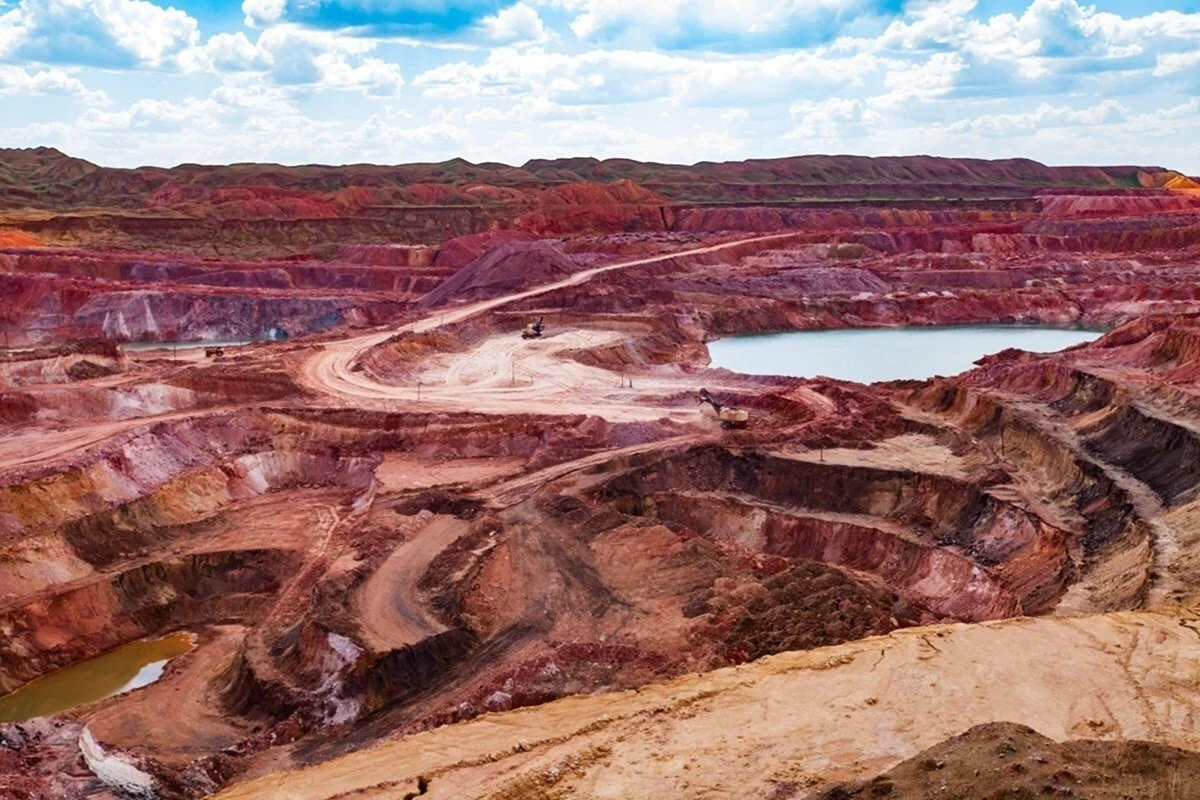
In addition to bauxite, the Shenjiazhuang project also discovered significant associated resources, including 198 million tonnes of coal (mainly coking coal), 69.5 million tonnes of hard clay, 13,000 tonnes of gallium, 4.34 million tonnes of Shanxi-type iron ore, and 2.03 million tonnes of iron pyrite, the report said.
To know more about the global primary aluminium industry 2026 outlook, pre-book the report "Global Aluminium Industry Outlook 2026” at a special price.
The exploration of the Shenjiazhuang deposit dates back several years. In 2021, the Shanxi Geological Engineering Exploration Institute initially discovered 170 million tonnes of bauxite resources at the site. Detailed studies were subsequently carried out from 2021 to 2025, with the final research report approved by local authorities in Shanxi in December last year.
As China is the world's largest producer and consumer of alumina and primary aluminium, the country has a substantial demand for bauxite, with Shanxi province playing a critical role in meeting this demand as it hosts around 34 per cent of the country's total bauxite resources. During the 14th Five-Year Plan period (2021–2025), Shanxi undertook 85 per cent of China's bauxite discovery tasks and identified 560 million tonnes of new bauxite deposits.
Read More: Global bauxite production refused to blink in 2025, leading to an output exceeding 475 MT
In addition to the super-large Shenjiazhuang bauxite deposit, Shanxi has also discovered and developed several other large deposits – such as the Nanyang bauxite mine in Xiaoyi and the Lijiashan mine in Jiaokou county – along with a number of medium-sized deposits, Mysteel Global notes.
Note: This news is published under a content and exchange agreement with Mysteel

Ernst & Young appointed as the new auditor for Canyon Resources
Next articleOdisha’s bauxite potential comes into focus with IIT Bhubaneswar’s satellite-led exploration
Grow with
AL Circle