ALFED submits response to UK CBAM consultation, urging Government to provide urgent clarity for industry
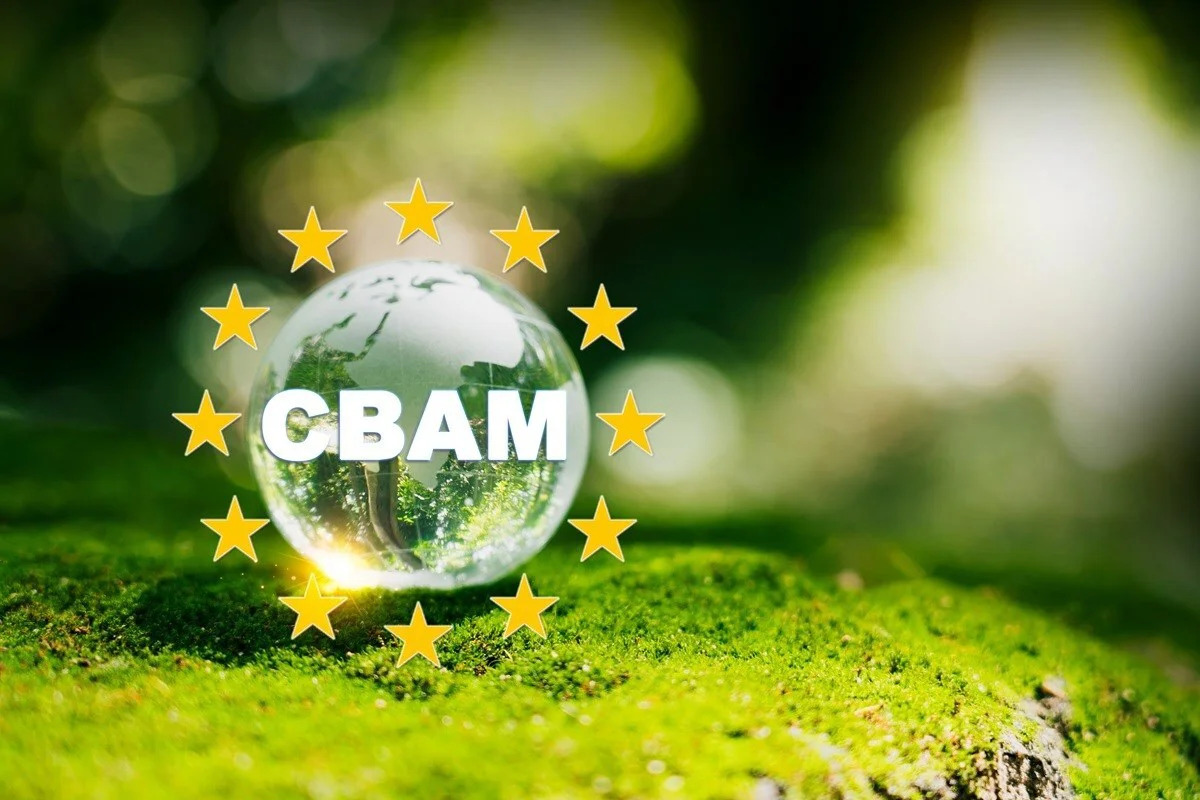
The Aluminium Federation (ALFED) has formally submitted its response to HMRC's consultation on the draft regulations for the UK Carbon Border Adjustment Mechanism (CBAM), highlighting the urgent need for clarity, alignment and practical implementation to protect UK manufacturing competitiveness.
For the global aluminium value-chain 2026 outlook, book our exclusive report “Global ALuminium Industry Outlook 2026"
The response, submitted on behalf of the full aluminium value chain, outlines key concerns around policy design, implementation timelines and administrative complexity, while reinforcing the importance of CBAM as a mechanism to prevent carbon leakage and support fair competition.
Call for Clarity and Early Guidance
ALFED has emphasised that one of the most critical barriers facing industry is the current lack of detail around how CBAM will operate in practice.
With implementation scheduled for January 2027, businesses require urgent clarity on Monitoring, Reporting and Verification (MRV) frameworks, emissions methodologies and verification requirements. As highlighted in the submission, many of these core elements are not expected to be finalised until late 2026, leaving insufficient time for industry to prepare.
Without early publication of these frameworks, UK manufacturers risk facing significant disruption, increased compliance costs and commercial uncertainty.
Protecting UK Competitiveness
ALFED's response raises concerns that, if not carefully designed, CBAM could inadvertently disadvantage UK manufacturers.
In particular, the Federation highlights the risk of asymmetry within the system, where UK manufacturers importing aluminium for processing could face additional carbon costs, while importers of finished goods may not be subject to equivalent treatment. This could undermine domestic production and shift activity offshore.
The Federation is therefore calling for a CBAM framework that supports UK industry, rather than placing additional burdens on already cost-challenged manufacturers.
Alignment with EU CBAM
Given the close integration of UK and EU aluminium supply chains, ALFED has also stressed the importance of maintaining alignment with the EU CBAM framework.
Divergence in reporting requirements, emissions calculations or verification standards would create unnecessary complexity, increase administrative costs and risk distorting trade flows for companies operating across both markets.
Addressing Supply Chain Complexity
The aluminium sector operates within highly complex, global supply chains, often involving multiple stages of processing across different jurisdictions.
ALFED's response highlights the need for clear guidance on:
- Treatment of complex goods and precursor materials
- Practical approaches to emissions data collection
- Proportionate verification requirements
Without this clarity, businesses may struggle to comply, particularly where data must be sourced through intermediaries or global suppliers.
Supporting Industrial Strategy and Investment
ALFED has also called on the Government to ensure that CBAM revenues are reinvested into UK industry to support decarbonisation, recycling infrastructure and long-term competitiveness.
The aluminium sector is central to the UK's net zero ambitions, but continued investment will depend on a stable, predictable and supportive policy environment.
Nadine Bloxsome, CEO of ALFED, said: "CBAM has the potential to be a critical policy tool in supporting decarbonisation and protecting UK industry from carbon leakage. However, its success will depend entirely on how it is implemented.
At present, there remains significant uncertainty across key areas of the framework. Industry needs clear, consistent and timely guidance to prepare effectively and avoid unintended consequences.
We are calling on the Government to work closely with industry to ensure CBAM supports UK competitiveness, aligns with international frameworks and provides the clarity businesses urgently need."
ALFED will continue to engage closely with HMRC, HM Treasury and industry stakeholders as the policy develops, ensuring the voice of the UK aluminium sector is fully represented in shaping a practical and effective CBAM framework.
Don't miss out- Buyers are looking for your products on our B2B platform

The decarbonisation pathway of the aluminium industry – crucial synergy of technology, recycling, and renewable
Next articleVedanta Aluminium onboards 7 specially-abled professionals at Jharsuguda, deepens DEI push
Grow with
AL Circle