您想继续阅读英文文章还
是切换到中文?
是切换到中文?

THINK ALUMINIUM THINK AL CIRCLE

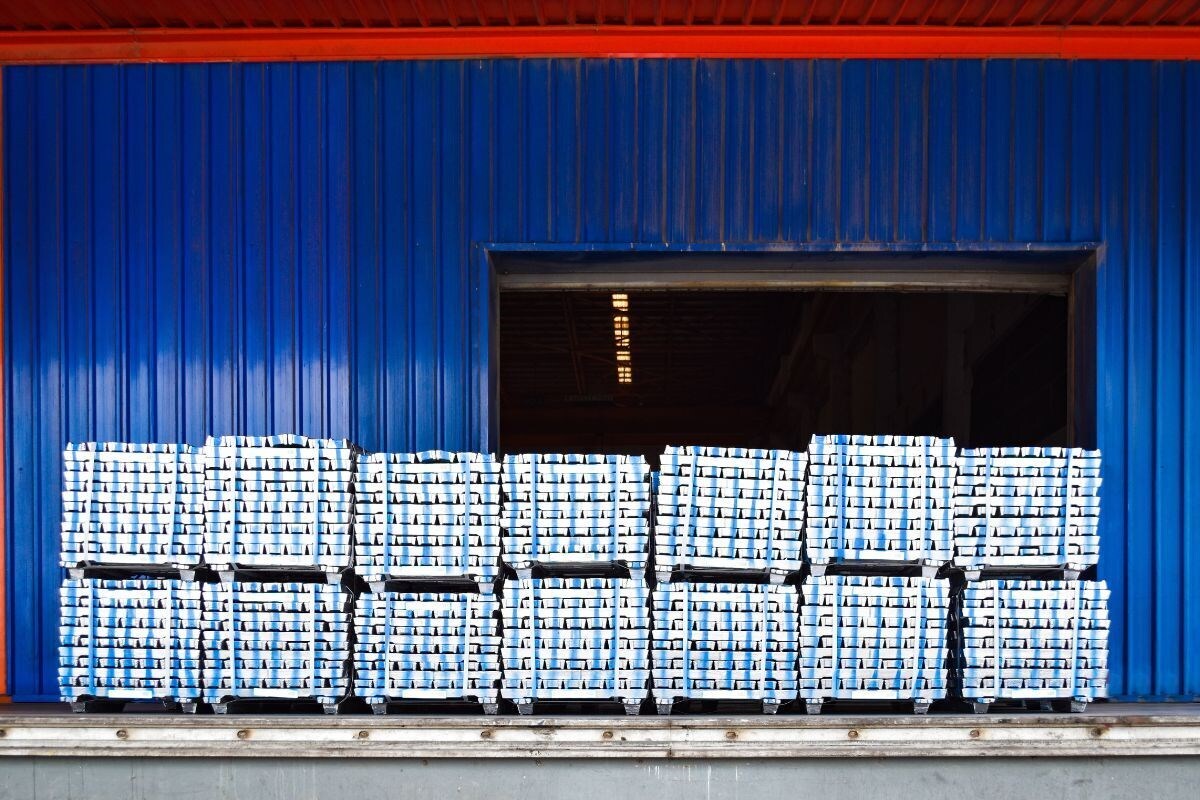
Stock image for referential purposes only
Aluminium ingot inventory: Destocking turning point established at high levels, but absolute volume pressure persists
{alcircleadd}China’s aluminium ingot inventory, after hitting a peak not seen in nearly three years in 2026, accelerated its pullback this week. According to SMM statistics, as of June 11, aluminium ingot inventory in major Chinese consumption areas was reported at 1.312 million tonnes, having cumulatively destocked by nearly 160,000 tonnes from the early-May high of around 1.47 million tonnes. The single-week decline this week reached 48,000 tonnes, clearly steepening the destocking slope.
From a seasonal pattern perspective, over the past three years, aluminium ingot inventory has shown a cyclical pattern of “building up around Chinese New Year, peaking around April-May, and gradually destocking in Q2.” The peak was around 880,000 tonnes in 2024 and also around 880,000 in 2025 (basically flat vs. 2024), while the 2026 peak reached approximately 1.48 million tonnes, about 600,000 tonnes higher than the previous two years, placing Y-o-Y inventory at a historically high level and indicating that supply accumulation pressure has significantly amplified since the start of this year.
The driving forces behind this destocking round are structurally differentiated and cannot be simply attributed to a recovery in domestic demand following the pullback in aluminium prices. SMM believes there are three reasons:
Both actual and expected supply are contracting: The proportion of liquid aluminium has rebounded continuously (reaching 76.5 per cent in May and expected to rise further to 76.6 per cent in June), with casting ingot shifting toward billet and other processed products, reducing the physical circulation of aluminium ingot. Combined with the standardised advancement of China’s aluminium capacity, this has caused actual aluminium ingot supply to edge down in June.
Export boost driven by wide price spread between Chinese and overseas markets: The supply gap for aluminium outside China continues to widen, and China’s aluminium semis export orders have improved more than expected, effectively absorbing liquid aluminium capacity and reducing the amount of aluminium ingot formed—a key structural support for this destocking round.
The substitutability of demand between aluminium ingots and aluminium billets was the main reason for the accelerated destocking this week: when the outright price is low and the processing fees of aluminium billets are high, downstream users tend to directly purchase aluminium ingots rather than billets. This substitution logic is now taking effect, and the accelerated destocking of aluminium ingots, alongside a slowdown in destocking of aluminium billets, also serves as supporting evidence.
This week, accelerated destocking saw warehouse withdrawals of aluminium ingot in south China rise over 50 per cent W-o-W, while those in east China increased over 60 per cent. However, a seasonal comparison chart of warehouse withdrawals over the past three years shows that 2026 withdrawals had no significant Y-o-Y advantage. The recent surge in withdrawals primarily reflects passive acceptance following a sharp price pullback, rather than a real improvement in demand fundamentals.
Currently, it is the traditional off-season in China, and domestic end-use demand remains a weakness: the weekly operating rate of aluminium extrusion continues to decline W-o-W, the pace of domestic demand recovery is relatively slow, and decent export and processing profits do not mean a simultaneous expansion in end-use consumption. Whether warehouse withdrawals can be sustained still needs verification. The trend in aluminium billet inventory will be a coincident indicator to verify the sustainability of aluminium ingot destocking, and should be closely monitored.
Inventory outlook, June-July: Destocking trend established, pace of acceleration uncertain
The destocking trend has been established, with the direction unchanged. A rebounding proportion of liquid aluminium, export demand support, and supply normalisation reducing aluminium ingot formation — these three fundamental factors are jointly driving the continuation of destocking. SMM maintains its forecast that inventory will fall to around 1.28 million mt in late June. By late June to early July, it is expected to move closer to 1.2 million mt.
However, the destocking pace should not be linearly extrapolated, and two major risks warrant caution:
Demand-side drivers are relatively passive. The current increase in warehouse withdrawals is mainly driven by restocking triggered by low prices, rather than by proactive expansion by end-users. Once prices stabilise and rebound, the momentum for warehouse withdrawals could weaken marginally. The continued decline in the operating rate of aluminium extrusion and the slowdown in aluminium billet destocking both indicate that a substantial turning point in domestic demand has not yet materialised.
Pressure from regional diversion of supply. Warehouse capacity at delivery facilities in southwest China and south China is already saturated. Some supply has been forced to be diverted to warehouses in east China such as Wuxi. As a result, inventory pressure in east China will remain higher than in other regions, which could periodically drag down the overall pace of destocking.
Key monitoring indicators: 1) Whether the weekly operating rates of aluminium extrusion and aluminium billet stop falling; 2) Whether absolute warehouse withdrawals in China, especially in east China and south China, can stay high; 3) The sustainability of strong export orders; 4) The room for further increase in the proportion of liquid aluminium.
Note: This article has been issued by SMM and has been published by AL Circle with its original information without any modifications or edits to the core subject/data.

Responses








_0_0.jpg/500/0)