您想继续阅读英文文章还
是切换到中文?
是切换到中文?

THINK ALUMINIUM THINK AL CIRCLE

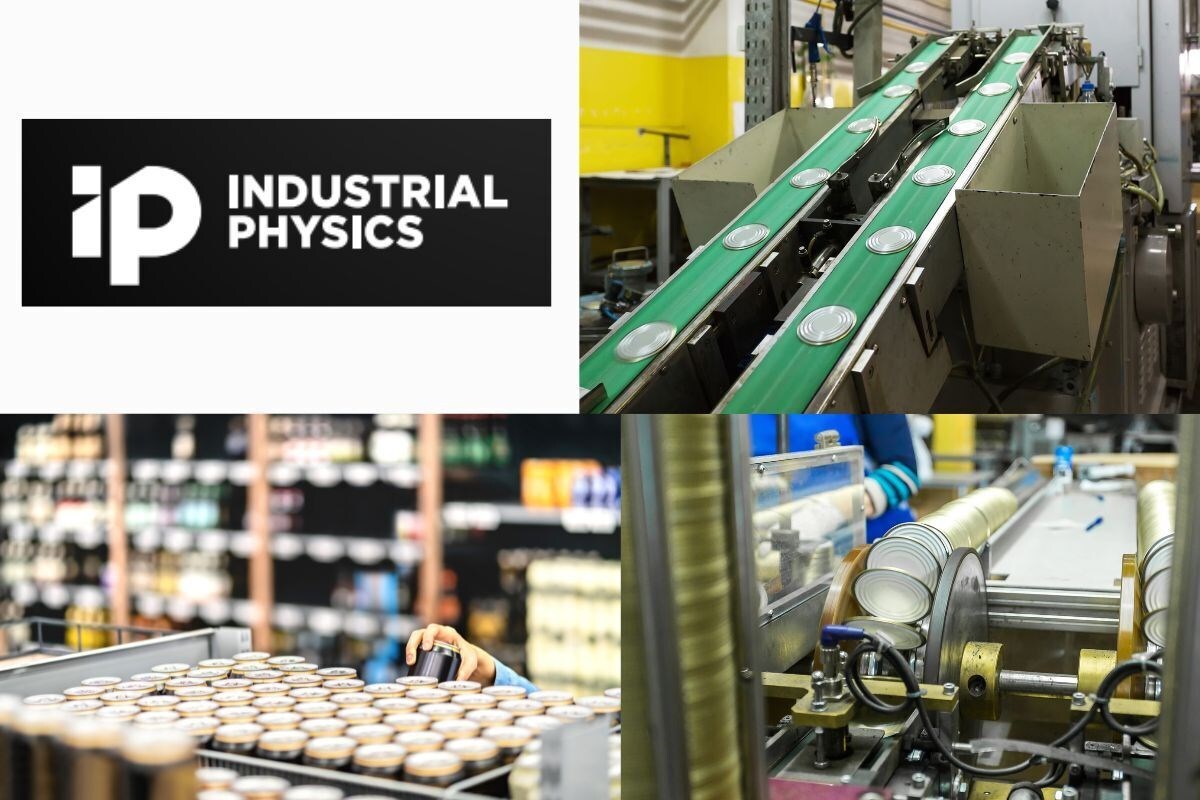
This image has been obtained via official Press Release
New global research from test and measurement partner, Industrial Physics, has exposed a critical issue in the metal packaging industry. The survey uncovered that the vast majority (92 per cent) of professionals are unable to guarantee consistent, measurable results with current technology – highlighting a significant problem as the sector responds sustainability and regulatory change.
{alcircleadd}The independent study surveyed 200 can making and filling professionals across the UK, US, Germany and India to evaluate how prepared the sector is for the operational, quality and sustainability challenges expected by 2028. The findings reveal an industry that understands what needs to change but remains constrained by outdated assumptions and hesitation to invest in modern measurement systems.
Quality risk emerged as one of the most pressing concerns. 86 per cent of respondents said quality issues detected too late in production represent the top technical risk facing metal beverage cans. With lines running at speeds exceeding 2,000 cans per minute, even short delays in detection can result in tens of thousands of potentially defective units before corrective action is taken.
Discover how leading aluminium companies are driving the next phase of the sustainability transition - “Sustainability & Recycling: Aluminium’s Dual Commitment.”
Commenting on the findings, Stefan Welker, Strategic Segment Manager at Industrial Physics, shared: “The scale of the risk is difficult to overstate here. The impact of inaccurate, unreliable measurement is enormous and prohibits effective scaling and standardisation between sites. Yet, the research confirmed our belief that misconceptions are holding manufacturers back. Action is critical, now is the time to investigate what is available and lean on a testing partner to solve knowledge gaps.”
Respondents also identified structural integrity (33 per cent), cost control (31 per cent) and sustainability targets (30 per cent) as their top priorities for the next three years, exposing the intense pressure manufacturers face as they attempt to lightweight packaging, increase recycled aluminium content and maintain performance at the same time. The report describes this as a growing technical paradox: competing demands are converging faster than production systems are evolving, leaving many operations without the process control needed to manage risk effectively.
Regional confidence levels also varied sharply. While 96 per cent of respondents in India expressed confidence in supply chain resilience approaching 2028, this fell to 92 per cent in Germany, 84 per cent in the US, and just 78 per cent in the UK - highlighting how global trade dynamics and regulatory pressures are affecting markets differently.
Also Read: Industrial Physics names Andrew McCauley as the new CEO
Stefan added: “The industry clearly understands what's coming: tighter sustainability targets, increasing production complexity and zero tolerance for defects. What's holding progress back isn't technology - the solutions already exist. The onus is now on manufacturers to put awareness into measurable action.
"Too many are still operating on outdated assumptions about what measurement technology can do. Those who invest now will be far better positioned to reduce waste, protect quality and meet regulatory expectations. Those who don't are gambling with their brand, their output - and their future.”
Note: This article has been issued by Industrial Physics and has been published by AL Circle with its original information without any modifications or edits to the core subject/data.

Responses