Vishay launches aluminium nitride chip resistors for 5G, 6G and aerospace systems

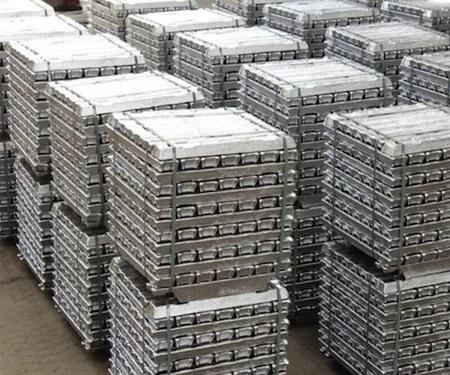
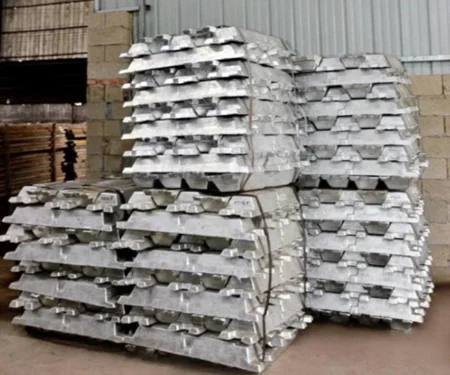
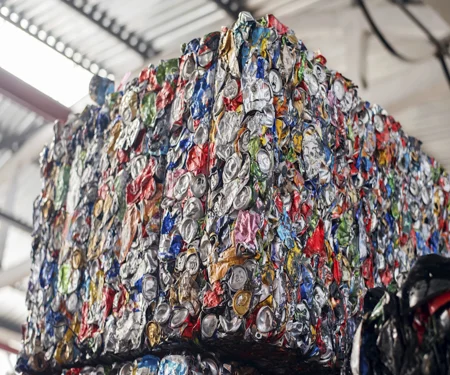
Stock image for referential purposes only
Vishay Intertechnology has now put this capability to use in its new CHEP series thin film chip resistors, built on an aluminium nitride substrate. The company has expanded its resistor portfolio with the launch of the CHEP series thin film chip resistors. The new components combine high power handling with broad frequency performance for telecom, aerospace, defence and advanced radio-frequency systems.
According to the company, the CHEP series is available in compact 0402 and 0603 case sizes. The 0402 device carries a standard power rating of 1.2 W, while the 0603 version is rated at 1.8 W. When mounted in accordance with the datasheet specifications, their respective power ratings rise to 1.8 W and 2.8 W.
The resistors are designed to operate across a broad frequency range. In the 0402 case size, they support frequencies of up to 50 GHz when installed as flip-chip devices and up to 20 GHz when used with wraparound active face-up mounting. The larger 0603 version operates at frequencies of up to 40 GHz.
Explore aluminium casting demand forecast in the transportation sector, explore our report "Global Aluminium Casting Market 2026-2032"
Customers can select either flip-chip or wraparound terminals. The devices feature LC values as low as 1 × 10⁻²⁴ and are available in resistance values ranging from 20 Ω to 120 Ω. Standard resistance tolerances extend down to ±1 per cent, while the temperature coefficient is rated at ±100 ppm/°C. A tighter coefficient of ±50 ppm/°C is available upon request.
The CHEP series is intended for telecom and connectivity equipment, including low-Earth-orbit satellites, base station terminals, 5G and 6G networks, remote radio units and antennas. Other possible uses include drones, satellite payloads, guidance equipment and phased-array radar systems serving the aerospace and defence sectors.
The resistors can operate at temperatures ranging from -55°C to +155°C and comply with RoHS requirements. Samples and commercial production quantities are currently available, with an expected lead time of 16 weeks.
Aluminium’s role in advanced electronics extends beyond lightweight housings, heat sinks and electrical components. In compound form, the metal is also helping electronic devices manage higher power within increasingly compact spaces.
Explore downstream aluminium suppliers, product listings and trade opportunities on AL Biz
₹18b investment and 700 distributors: Aditya Birla Group launches Ultravolt wires and cables business
Next articleNew Alumotion JV brings robotised anode assembly to Canadian aluminium smelters
Grow with
AL Circle