Vietnam strengthens solar sustainability with IREX–Hamada partnership boosting aluminium recycling potential
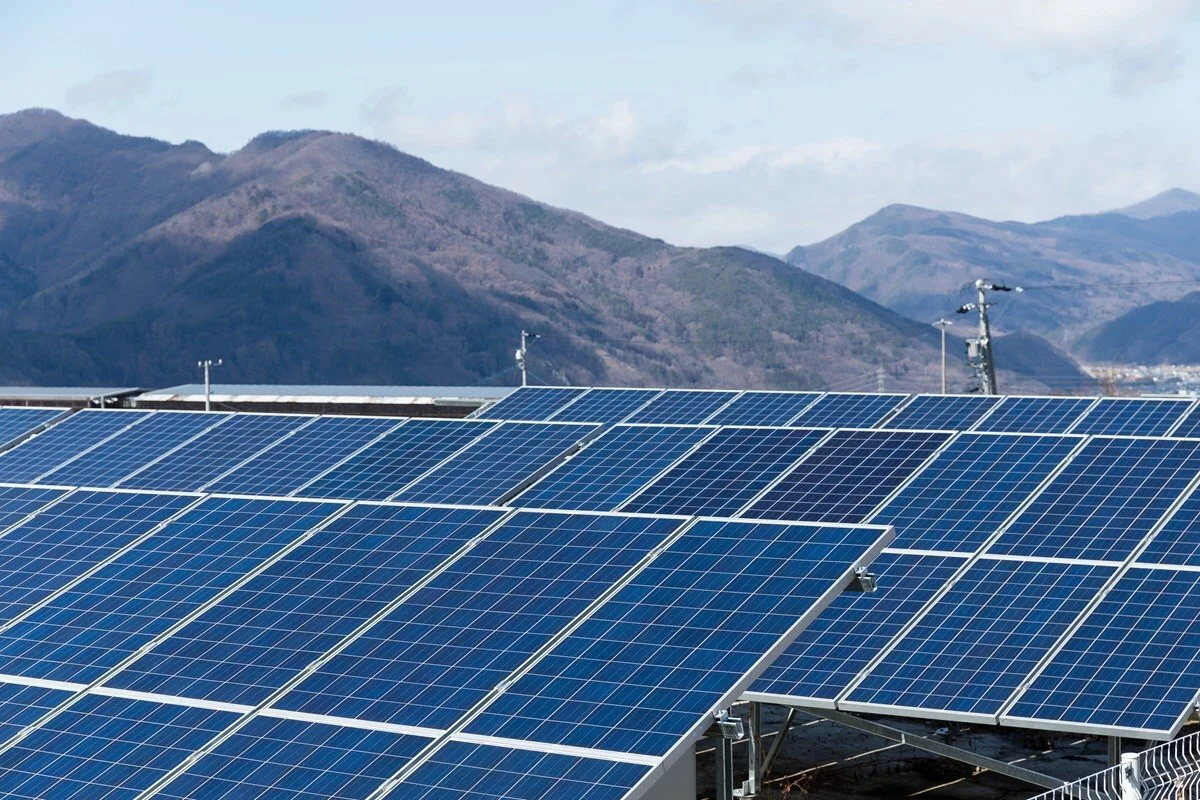
Vietnam has formed a new partnership between IREX Energy Joint Stock Company and Hamada Company to make its solar industry more sustainable. These two firms have signed a recycling memorandum of understanding (MoU) to recover aluminium and other valuable materials from end-of-life solar panels.
For the global aluminium value-chain 2026 outlook, book our exclusive report “Global ALuminium Industry Outlook 2026"
Vietnam’s Power Development Plan 8 (PDP8) targets to achieve 18-34 GW of solar capacity by 2030. This expansion has motivated Vietnam to achieve clean energy goals. However, it has also created a new challenge.
Solar panels do not last forever. Most photovoltaic modules have a lifespan of 20 to 25 years. Early installations in Vietnam are now approaching that limit. Discarded panels could pose serious environmental risks without proper recycling systems.
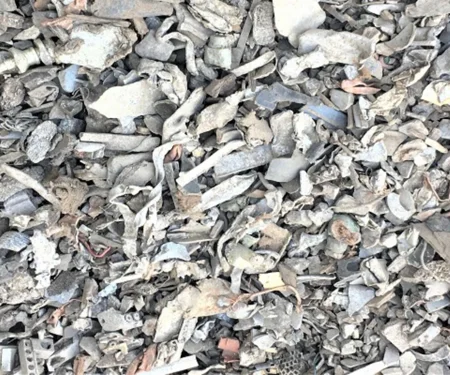
IREX and Hamada are planning to make a circular model for Vietnam’s solar energy sector. Their project aims at recovering valuable materials by recycling old solar panels. These include aluminium frames, glass, silicon, rare metals, etc.
Aluminium is a major component in solar panels due to its strength, light weight, and corrosion resistance. Recycling these frames can reduce the need for primary aluminium production and achieve both sustainability and industrial goals.
Recycled aluminium consumes 3 to 5 per cent of the energy required for producing new metal. This major step goes parallel with global efforts to cut emissions and improve resource efficiency. It also creates opportunities within the aluminium scrap and recycling market, which is expanding across Asia.
IREX is a subsidiary of SolarBK Group that brings local expertise in Vietnam’s solar sector. It is experienced in module manufacturing and the domestic supply chain. Hamada will add advanced recycling technologies and waste management expertise to this venture. Both entities will design a system for optimal recycling of used solar panels in Vietnam.
The initiative supports Vietnam’s long-term climate targets and serves its commitment to reach net-zero emissions by 2050. Industry voices have stressed that Vietnam risks facing a large-scale waste problem in the future without a domestic recycling capacity.
Alongside its environmental gains, the project will deliver economic benefits, too. It will create jobs in recycling, logistics, and green technology. It will assist manufacturers in taking more responsibility for the material recovery from their discarded products.
This partnership will become an example of responsible discarded product management. The new definition of renewable energy now includes proficient waste management. Vietnam is all set to become a flagbearer by turning solar waste into reusable resources in Asia.
Don't miss out- Buyers are looking for your products on our B2B platform

Constellium celebrates the performance of its team at the 2025 THANK YOU AWARDS
Next articleBioenergy in India’s aluminium sector: Scale potential meets a 3-million-tonne reality
Grow with
AL Circle