Venezuela's bauxite reserves draw India's attention as mineral talks expand
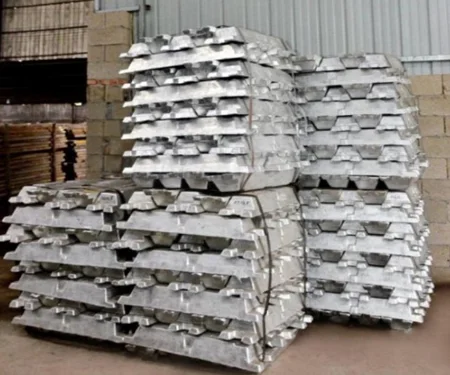
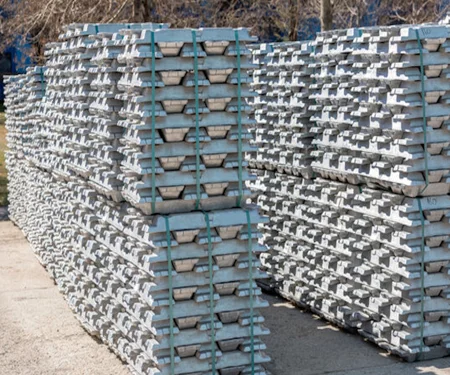
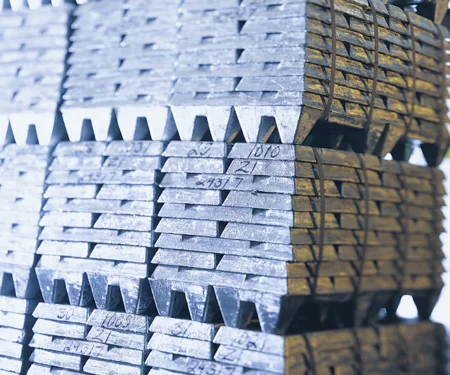
Stock image for referential purposes only
As India looks to secure supplies of critical minerals and industrial raw materials, Venezuela's large bauxite reserves are attracting attention alongside its deposits of gold, diamonds, coltan and iron ore.
The issue came up during a conversation between Prime Minister Narendra Modi and Venezuela's Acting President Delcy Rodríguez in New Delhi on Thursday, where mining and mineral resources were being discussed.
Speaking after the meeting, Rudrendra Tandon, Secretary (East) at the Ministry of External Affairs, said the discussions covered the broader mining sector, including critical minerals and other natural resources.
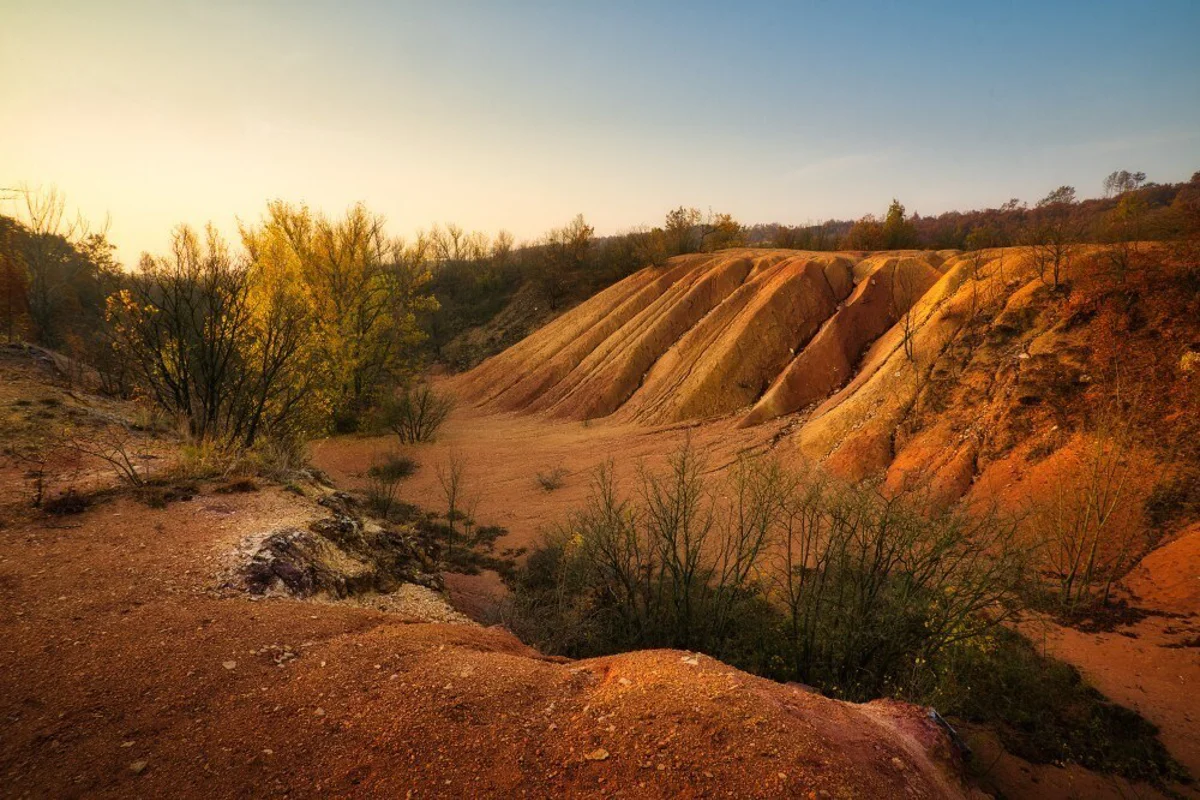
Venezuela is home to some of Latin America's largest bauxite deposits, with the Los Pijiguaos region alone estimated to contain billions of tonnes of the ore.
Bauxite is the main raw material used to produce alumina and aluminium. As India continues to expand manufacturing in sectors such as electric vehicles, aerospace, defence, renewable energy and power transmission, access to additional bauxite and alumina sources could become increasingly important.
Although Venezuela is widely known for its oil reserves, it also possesses significant deposits of iron ore, gold, diamonds, copper, nickel, coltan and other minerals that remain largely underdeveloped.
Many of these resources are located in the Orinoco Mining Arc, a mineral-rich region in southern Venezuela where commercially significant deposits of gold, diamonds, copper and coltan have been identified.
Explore: The most comprehensive and forward-looking industry-focused report – ALuminium in Packaging: Consumer Trends and Market Dynamics
Apart from bauxite, coltan is another resource that could attract India. The mineral contains tantalum and niobium, both of which are used in a range of industries.
Tantalum is used in semiconductors, mobile phones, medical devices, aerospace electronics and defence equipment, while niobium is used in steel alloys, aircraft engines and energy infrastructure.
Venezuela is believed to have sizeable coltan reserves, particularly in the southern part of the country. As India pushes ahead with electronics manufacturing and semiconductor production, such minerals are expected to become increasingly important.
The country is also believed to hold rare earth deposits, although they have not been explored as extensively as those in countries such as Australia and Brazil.
Rare earth elements are used in electric vehicle motors, wind turbines, radar systems, defence equipment and consumer electronics.
Iron ore is another resource that could be relevant for India. Venezuela has substantial iron ore reserves, particularly in the Guayana region, which supports steel production used in infrastructure, transport and industrial projects.
Gold and diamonds were also featured in the discussions. India remains one of the world's largest consumers of gold, while Surat continues to be one of the world's leading centres for diamond cutting and polishing. Access to additional sources of these minerals could create opportunities for Indian companies involved in mining and processing activities.
India's growing interest in Venezuela's mineral resources comes as demand for critical minerals rises across sectors such as electric vehicles, battery storage, semiconductors, renewable energy, aerospace, telecommunications and defence manufacturing.
To secure future supplies, India has expanded efforts to acquire mineral assets overseas through organisations such as Khanij Bidesh India Limited (KABIL), which has been exploring opportunities across Latin America, Africa and Australia.
A key objective of this strategy is to diversify sources of supply and reduce dependence on a limited number of countries for critical minerals.
The Venezuelan government has been seeking foreign investment to revive parts of its mining industry. Opportunities could include exploration projects, mine development, mineral processing facilities, geological surveys and infrastructure development.
Explore our e-magazine ALuminium LeaderSpeak 2026 for the latest industry insights and trends.
Indian companies with expertise in mining and mineral processing could potentially participate in such projects if cooperation between the two countries grows.
Ash Narain Roy, former Director of the Institute of Social Sciences and an expert on Latin America, said critical minerals have become an increasingly important part of relations between countries.
According to Roy, Venezuela may be looking not only for buyers of its mineral resources but also for partners that can help develop, process and refine those resources.
He also pointed out that India has strengthened ties with several Latin American countries because of their mineral wealth.
Roy cited Bolivia, Chile and Argentina, often referred to as the "Lithium Triangle", as examples of countries that have become important because of their large lithium reserves.
He said India's engagement with Latin America over the past decade has increasingly included a focus on minerals needed for future industries.
While Venezuela is not currently a major supplier of critical minerals to India, its reserves of bauxite, coltan, iron ore, gold, diamonds and potential rare earth deposits make it a country that could play a larger role in India's long-term mineral sourcing plans.
The discussions between Modi and Rodríguez indicate that India is looking beyond oil imports and exploring broader opportunities in mining as it seeks reliable supplies of raw materials for manufacturing and industrial growth.

Cameroon moves forward with rail project linked to Minim Martap bauxite development
Next articleBauxite on the move: Cameroon adopts interim route to unlock Minim-Martap exports
Grow with
AL Circle