The heated exchange of words for over two months between the US President Donald Trump, Vice President JD Vance, and Ukrainian President Volodymyr Zelensky ultimately led to a diplomatic breakthrough, culminating in a strategic agreement on critical minerals and other natural resources. The deal grants the United States long-term access to Ukraine’s critical minerals, while also guarantees continued defense support to Ukraine in its conflict with Russia.
Key provisions and mutual commitments
The agreement, signed on Wednesday, April 30, includes key provisions such as the creation of a reconstruction fund for Ukraine – an initiative that Ukrainian officials hope will serve as a platform to secure ongoing American military support. While Ukraine is expected to contribute 50 per cent of all future profits from government-owned natural resources into the fund, the US is expected to contribute in the form of direct funds and equipment.
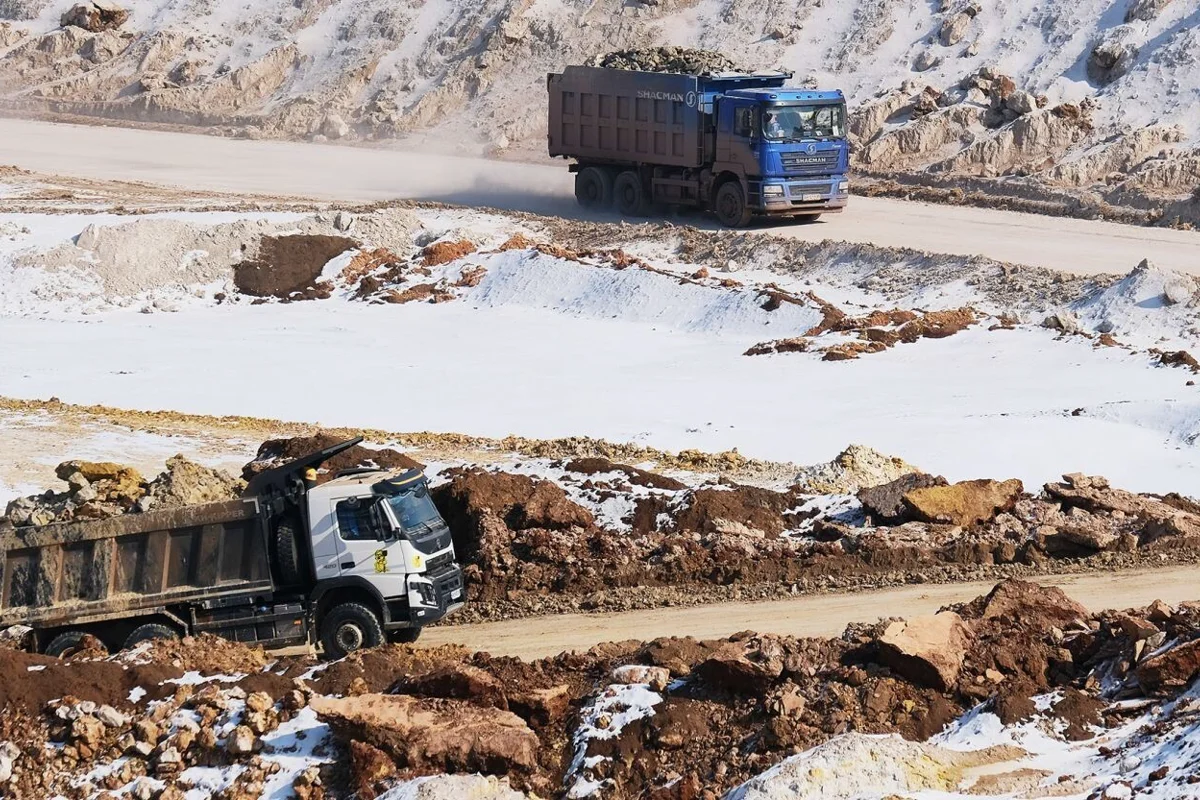
This agreement is widely viewed as mutually beneficial. While Ukraine secures vital defense assistance, which remains crucial in its three-year conflict with Russia, the United States gains access to critical minerals and the opportunity to invest in Ukraine’s vast mineral reserves. This is especially strategic for the US, granting access to an estimated $500 billion worth of Ukraine’s mineral wealth and helping reduce reliance on China in the global rare earth supply chain. Additionally, the deal is seen as a form of repayment, as President Trump claims the US. has provided Ukraine with $350 billion in military aid over the past three years amid its conflict with Russia.
Economy Minister Yulia Svyrydenko, who signed the deal for Ukraine, said in a post on Facebook: “We have formed a version of the agreement that provides mutually beneficial conditions for both countries. This is an agreement in which the United States notes its commitment to promoting long-term peace in Ukraine and recognizes the contribution that Ukraine has made to global security by giving up its nuclear arsenal.”
Treasury Secretary Scott Bessent, who signed for the US, said in a statement: “This agreement signals clearly to Russia that the Trump administration is committed to a peace process centered on a free, sovereign, and prosperous Ukraine over the long term.”
- The U.S. gains access to Ukraine’s rare earth minerals and other valuable resources, including oil and natural gas
- Resources that already generate revenue for the Ukrainian government are excluded
- Full ownership of all critical resources will remain with Ukraine
- The agreement initially covers 55 critical minerals, including titanium, lithium, and uranium, with room for expansion
How will the fund work?
The fund will be administered through the US International Development Finance Corporation (DFC), which Ukraine hopes will encourage investments and attract cutting-edge mining and energy technologies from the U.S. and Europe.
- All contributions to the fund will be reinvested in mining, energy, and infrastructure projects
- No profits may be withdrawn from the fund for the first 10 years
- Early US demands for $500 billion in mineral profits as wartime compensation were dropped in favor of a long-term collaborative model
Complimentary benefits for US
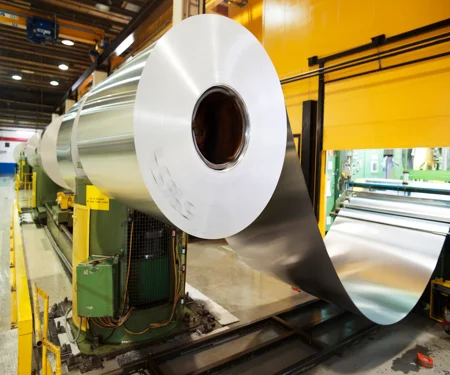
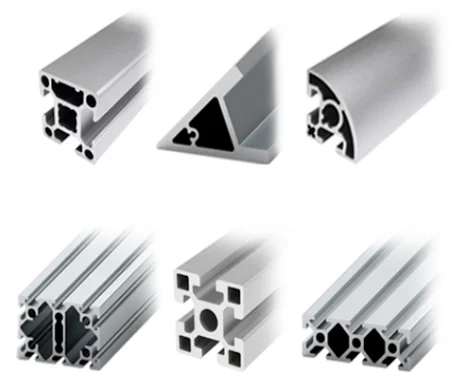
Through this deal, the United States will gain control over Ukraine’s rare earth elements and minerals, which also play a crucial role in the aluminium industry. The country holds 7 per cent of Europe's titanium supplies and boasts large lithium deposits, along with significant reserves of copper, lead, zinc, silver, nickel, cobalt, and manganese. Many of these minerals are essential in aluminium production. Titanium acts as a grain refiner, enhancing the overall structure of aluminium alloys. Copper is used to boost strength through precipitation hardening, while manganese helps moderate strength through solution strengthening, making it ideal for applications requiring high strength without extensive heat treatment. So, getting an access to these minerals will help the United States strengthen its aluminium manufacturing sector.












_md.webp)