US primary aluminium production edges up 0.6% Y-o-Y in Q1 2026

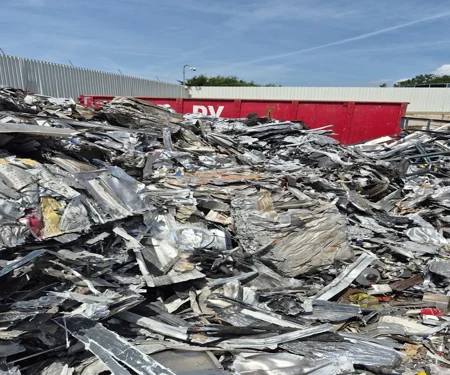
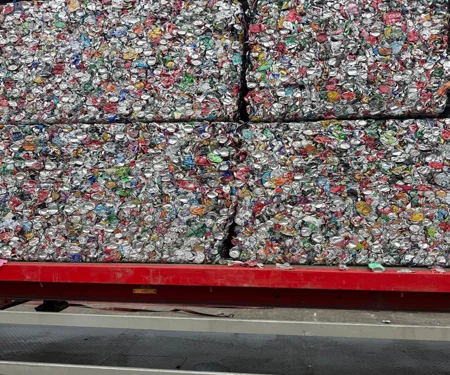
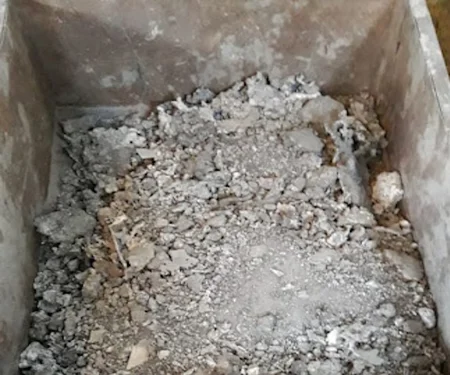
Stock image for referential purposes only
US primary aluminium production reached 167,000 tonnes in Q1 2026, slightly above a year earlier but 1.2 per cent below the previous quarter.
US primary aluminium production remained broadly stable at the start of 2026, with output edging higher from a year earlier even as it slipped slightly from the final quarter of 2025.
According to the aluminium supply data provided, US primary aluminium production reached 167,000 tonnes in Q1 2026, compared with 169,000 tonnes in Q4 2025 and 166,000 tonnes in Q1 2025.
That translates to a 1.2 per cent quarter-on-quarter decline from Q4 and a 0.6 per cent year-on-year increase from Q1 2025.
Production remains broadly stable
The quarter-on-quarter decline amounted to just 2,000 tonnes, suggesting that primary aluminium output was largely steady rather than undergoing a significant contraction.
The data does not provide a specific operational reason for the 2,000-tonne decline, and I could not find a sufficiently reliable public source attributing the change to a particular event such as maintenance, energy costs or a smelter disruption. It would therefore be speculative to assign a single cause.
US Federal Reserve data also shows primary aluminium production remained relatively stable around this period. Its quarterly industrial-production index for primary aluminium rose to 103.15 in Q1 2026, from 101.37 in Q4 2025 and 101.96 in Q1 2025 on a non-seasonally-adjusted basis.
To know the production, demand and consumption forecasts on bauxite and alumina, explore the report "Global Bauxite & Alumina Market Forecast to 2036: Supply–Demand, Trade Flows & Price Outlook"
Q1 2026 output slightly above last year
Compared with Q1 2025, production increased by only 1,000 tonnes, or 0.6 per cent.
The relatively small year-on-year gain indicates that the US primary aluminium sector has not yet seen a major production expansion despite efforts to strengthen domestic aluminium supply.
The Federal Reserve's seasonally adjusted primary aluminium production index, however, was also higher in Q1 2026 than in Q4 2025 and Q1 2025, pointing to some improvement in underlying production activity.
Imports and secondary aluminium reshape supply
The more notable movement in the data comes from sources outside primary production.
Total new aluminium supply reached 2.36 million tonnes in Q1 2026, compared with 2.049 million tonnes in Q4 2025. That represents an increase of approximately 15.2 per cent quarter on quarter, despite the modest decline in primary production.
Secondary recovery also increased, reaching 950,000 tonnes in Q1 2026, up from 892,000 tonnes in Q1 2025. Meanwhile, imports for consumption fell to 1.25 million tonnes from 1.40 million tonnes a year earlier.
This means the US aluminium supply picture is changing without a corresponding large increase in primary smelter output. More metal is coming through secondary recovery, while primary production remains close to the levels seen in 2025.
Explore primary aluminium suppliers, product listings and trade opportunities on AL Biz
A stable primary sector within a changing supply mix
The latest figures therefore point to a relatively steady US primary aluminium industry rather than a sharp production surge.
At 167,000 tonnes, Q1 2026 output was only marginally above the same quarter last year and slightly below Q4 2025. The bigger shift was in total new supply, which rose sharply from the previous quarter as secondary recovery and other supply sources contributed more metal.
For the US aluminium market, that distinction is important: domestic primary production has remained broadly stable, while the wider supply mix continues to evolve.
Unlock key insights from leading companies and experts across the aluminium ecosystem with our e-Magazine - Mine to Market: Aluminium Producers & Manufacturers 2026
US industrial policy needs to be systematic, not just ad hoc – Part 1
Next articleLME aluminium cash offer rises 0.84% to $3,353/t; stocks remain unchanged at 244,525t
Grow with
AL Circle