US- China talk concludes on Sunday with an agreement to back off from trade war
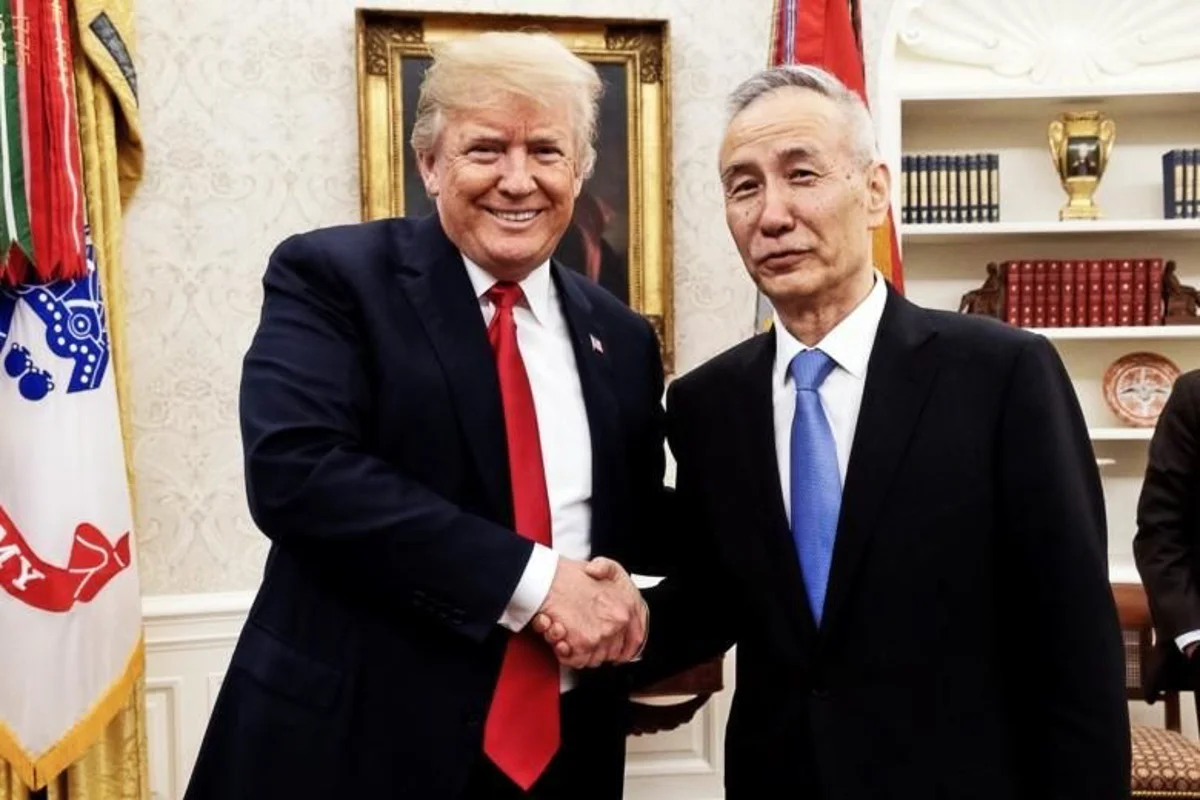
In a significant positive development, China and the United States agreed to back off from imposing new tariffs on each other’s imports and hold back an impending trade war that is threatening the international market especially steel and aluminium. This was confirmed by U.S. Treasury Secretary Steven Mnuchin and China's vice-premier Liu He to respective presses on Sunday May 21. The decision came after China agreed to buy more American goods to "substantially reduce" the huge trade deficit with the U.S.
Mnuchin said both the countries "made very meaningful progress and … agreed on a framework. Mr Liu, who led a high-level Chinese delegation to Washington, last week said: “The two sides reached a consensus, will not fight a trade war, and will stop increasing tariffs on each other."
The joint statement released by the White House however did not include any official confirmation of the figure on the increasing purchase of US good by China.
Mr Liu told reporters in Washington that talks with Treasury Secretary Steven Mnuchin, Secretary of Commerce Wilbur Ross and US Trade Representative Robert Lighthizer was “positive, pragmatic, constructive and productive” and ended with a pledge not to engage in a trade war.
The statement said trade cooperation would be enhanced to facilitate a “win-win” choice for both nations. The delegations also discussed expanding trade in manufactured goods, and each side agreed to strengthen cooperation on intellectual property.
The statement however did not mention additional US demand or anything about subsidized production and other government support for the Made in China 2025 plan. China put forward its own demands, including giving equal treatment to its investment, and warned that US companies may be excluded from measures to open its economy.
Mr Larry Kudlow, director of the National Economic Council, told reporters last Friday that China had offered to reduce its annual trade surplus with the US by “at least US$200 billion”.

This reduction was on a list of demands the US made earlier this month during a delegation talk at Beijing led by Mr Mnuchin. The US merchandise trade deficit with China hit a record US$375 billion in 2017.
Top Senate Democrat Chuck Schumer however criticised a lack of specific measures in the joint statement to protect US intellectual property and stop China from accessing the country’s trade secrets.
Japan automaking association expects low tariffs and free trade after NAFTA renegotiation
Next articleIndia and EU plan to increase import duties on US products
Grow with
AL Circle