China’s move to restart rare earth exports to the US has eased pressure on American industries after nearly two months of restrictions. While some European firms have also secured limited export licenses to avoid production disruptions, India despite being a major importer of Chinese rare earths has not been granted similar relief.
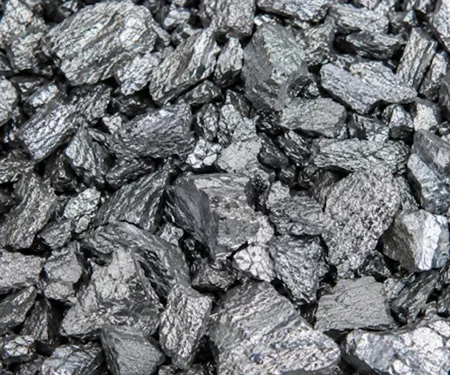
Image Source: ip-quarterly/Thorsten Kirchhoff
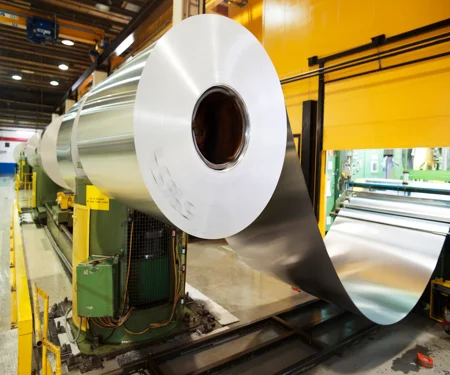
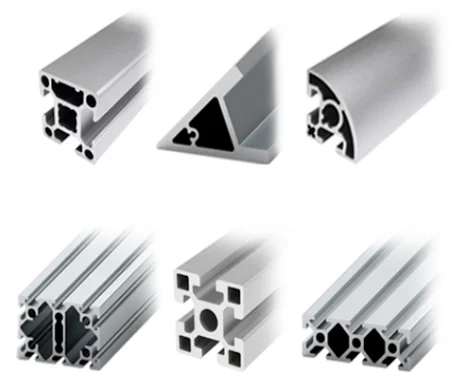
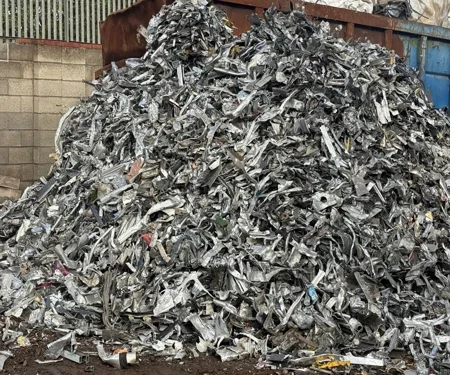
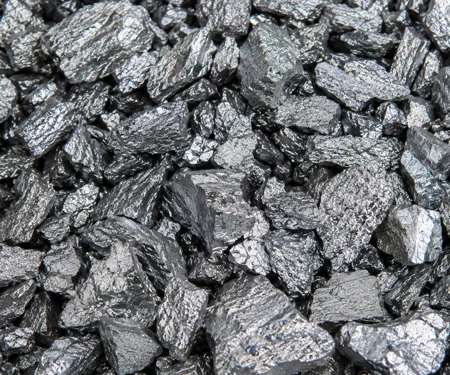
China’s export ban, imposed on April 4, 2025, as a response to US tariffs, disrupted global access to critical rare earth materials such as scandium. Though used in small amounts, scandium is vital for producing high-performance aluminium-scandium alloys, which play a key role in electric vehicles, electronics, and defence industries.
China’s Ministry of Commerce said, “China will approve the export application of controlled items that meet the conditions in accordance with the law. The United States will cancel a series of restrictive measures taken against China accordingly.”
India’s exclusion from China’s rare earth export deal has sparked concern among manufacturers, as companies face shrinking inventories and continued uncertainty over export license approvals.
Export curbs ease for US and Europe
China’s announcement to ease rare earth export restrictions came after official confirmation from US President Donald Trump and Commerce Secretary Howard Lutnick that both nations had finalised a trade agreement.
Initially outlined during negotiations in London earlier this month, the deal is intended to restore US access to rare earth materials vital for the defence, aerospace, and clean energy sectors.
Meanwhile, pressure from the European Union mounted in early June, with the bloc urging China to lift restrictions. The EU’s trade chief warned that European industries were facing an “alarming situation” due to disrupted supplies.
At a February event on mineral resources during the Munich Security Conference, an EU official acknowledged that the bloc is “100 per cent dependent on China” for rare earth imports.
In response to the urge in June, China confirmed it would issue a limited number of export licenses to European companies described as the “bare minimum” necessary to avoid production slowdowns in key sectors like automotive manufacturing and consumer electronics.
US responded with a mix of concern, strategic adjustments, and a focus on expanding domestic production in light of China's export ban.
With China still producing 60% of the world’s rare earths and refining 90% of them, the agreement is viewed as a key step in stabilising global supply chains that had been thrown into disarray by the April suspension.
India faces supply risk despite diplomatic push
While the US and Europe have secured limited relief from China’s rare earth export restrictions, India despite importing over 53,000 tonnes of rare-earth magnets in FY 2024–25, with more than 90% sourced from China has yet to receive comparable trade concessions.
The suspension has already begun to impact domestic industries, especially electric vehicle makers and electronics manufacturers.
Several companies have warned that they may exhaust their inventories within 4–6 weeks.
Shortages of high-demand elements like dysprosium and terbium used in precision components such as sensors, speakers, and haptic motors are among the most critical concerns.
The Ministry of External Affairs and the Indian embassy in Beijing are reportedly engaged in ongoing discussions, supported by industry groups such as SIAM and ACMA.
However, no formal licensing approvals have been granted to India so far.
India's long-term response: building capacity at home
To address its growing supply vulnerability, the Indian government has launched a seven-year strategy focused on developing domestic capabilities for rare earth refining and magnet manufacturing. The plan includes production-linked incentive (PLI) schemes, research and development partnerships, and targeted support for companies investing in critical mineral technologies.
Among the early movers, Sona Comstar has announced plans to localise rare earth magnet production with government backing. However, with these projects still in early stages, India continues to face short-term risks, especially compared to the US and Europe, which are already seeing eased export restrictions under China’s revised policy.
Additionally, Vedanta is scaling up its critical mineral exploration across multiple states including Maharashtra, Bihar, Karnataka, Rajasthan, Arunachal Pradesh, and Chhattisgarh.
The focus is on securing domestic sources of essential minerals such as copper, cobalt, vanadium, platinum, tungsten, chromium, and nickel. This initiative is aligned with broader government efforts to bolster India’s mineral security and reduce dependence on imports.
As the US-China trade deal on rare earths begins to take effect, India’s next steps—both diplomatic and industrial will likely determine how long its industries must continue to operate under supply stress.












_md.webp)