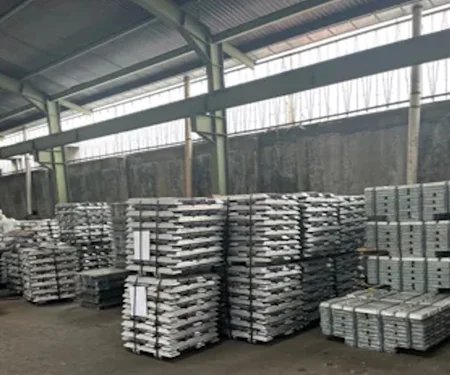
US aluminium and steel tariffs hike boosts Elk Grove supply chain prices

Business leaders in the Elk Grove Village Business Park are keeping a watchful eye on Washington’s newly imposed tariffs on imported aluminium and steel as they have started impacting the metal processing plants in the business park and machining business that use aluminium and steel to create precision parts or sell architectural steel and aluminium products.
In early March, President Donald Trump had announced a 25 per cent tariff on steel and 10 per cent on aluminium imported from all countries except Mexico and Canada. Later that month, Trump declared tariffs exemptions for a few countries including Argentina, Australia, South Korea, Brazil and the European Union, until June 1, 2018.
Then at the beginning of June, Trump removed exemptions from Canada, Mexico and the European Union, and imposed additional 25 per cent tariff on imported steel and additional 10 per cent on aluminium.
In justifying the tariffs, the White House issued a statement saying a U.S. Commerce Dept. study found, “The excessive level of (steel and aluminium) imports threatened to impair the national security because further closures of domestic production capacity would result in a situation where the United States would be unable to meet demand for national defence and critical infrastructure in a national emergency.”
The price of imported metal rose as a subsequence to the tariffs imposed and therefore, mills producing aluminium and steel in the United States hiked their prices.

Clingan and Wilson Baldwin, an aide to U.S. Rep. Raja Krishnamoorthi (D-8th), pointed out that tariffs were applicable only to raw steel and aluminium imported to the US and not to the products made from those metals. Consequently, products made in other countries, using lower cost foreign aluminium and steel, underbid domestic producers of those same products in the US.
Baldwin said pushback on the tariffs has come more from industry groups than local business owners.
Zephyr Aluminium to move to East Hempfield Township next month
Next articlePoland's aluminium can exports to log 6% YoY growth in 2018; Czech Rep. tops the importer list
Grow with
AL Circle