U.S. import of aluminium foils from China drops in the third quarter of 2017
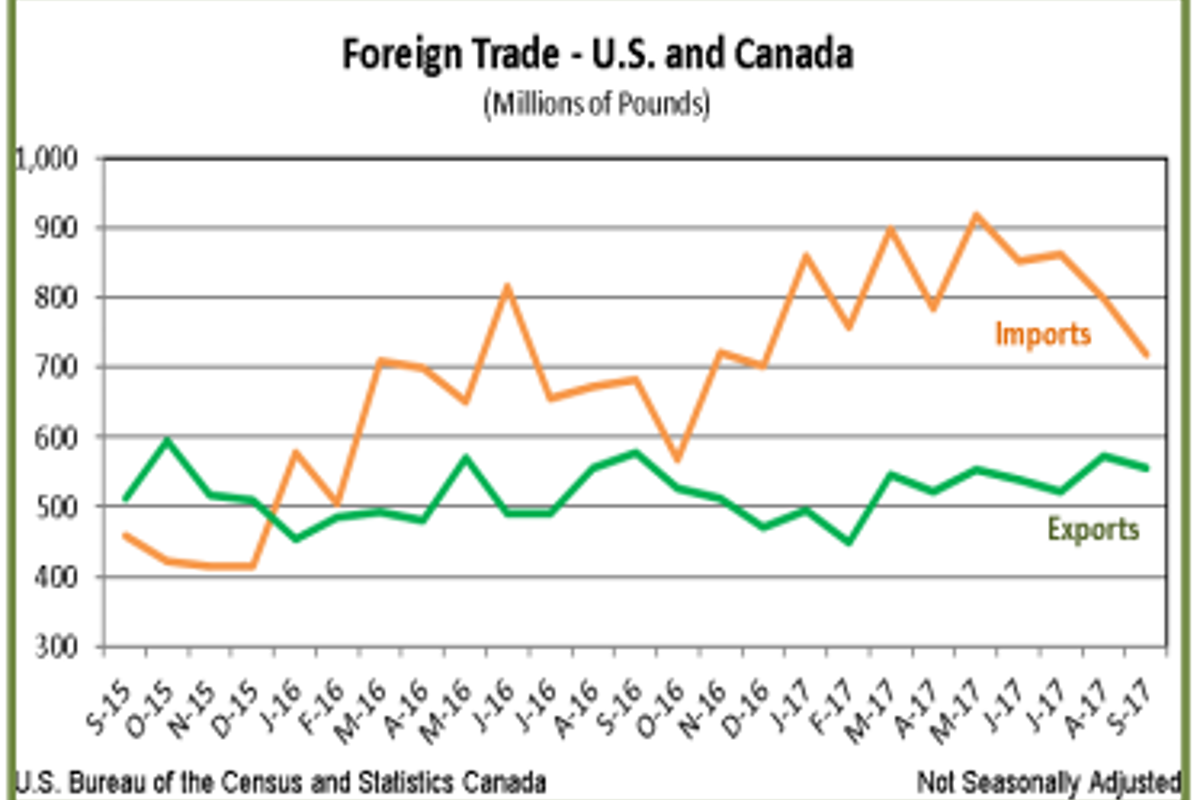
According to the latest foreign trade data from Aluminum Association, as derived from the U.S. Bureau of the Census, despite two consecutive drops month-on-month, U.S. aluminium imports were still up 25% YTD through September in comparison to the same period of 2016.
Based on the growth rate through the first three quarters of 2017, it is expected that the total aluminium import would be about 17 billion pounds by the end of the year, which will be 18% more than the total import in 2016. The growth in import in the U.S. can be witnessed across virtually all product categories. But, semi-fabricated imports have increased 17.4% over the first three quarters of 2016.
Aluminum sheet imports for the first three quarters of 2017 were up 19.5% in comparison to the same period of 2016. Import volume from China leads the way. Through September, imports of aluminium sheet from China were up nearly 34% and have already reached full-year 2016 levels.

Aluminum foil imports for the first three quarters of 2017 were up 12% in comparison to the same period of 2016. Volumes from China have declined significantly in the last two months of the last quarter. From the period from January to July, the average monthly foil imports from China to the U.S. stood at roughly 31.0 million pounds. Since August that rate has declined to roughly 14.1 million, mostly driven by the countervailing duty on foils imported from China. The import is expected to drop further as the U.S. Commerce Department has decided to impose tariffs ranging from 97 per cent to 162 per cent on Chinese made aluminium foil increasing it from the already existing 81% rate that the administration had imposed in the summer.

According to China Customs, total aluminium semi-fabricated exports by the U.S. have declined 6.5% in the first three quarters of 2017. This was attributed to a significant drop in the volume of extruded shapes destined for Vietnam, which dropped about 87.0% to 111.8 million pounds from roughly 857.5 million pounds in 2016. Export volumes to the NAFTA region have increased 14.5% in this period.
SolidCAM UK relocates Technology Centre to alimex UK Precision in Aluminium
Next articleScandium International advances Nyngan Scandium Project in Australia
Grow with
AL Circle