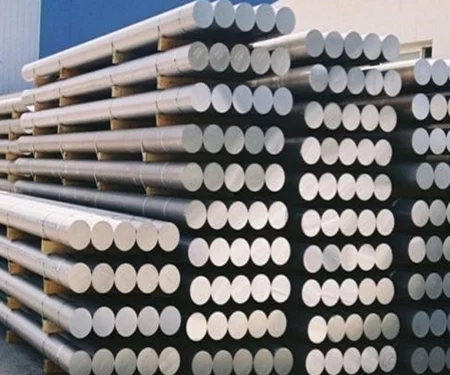
Trump administration to restore aluminium and steel tariffs on Brazil and Argentina
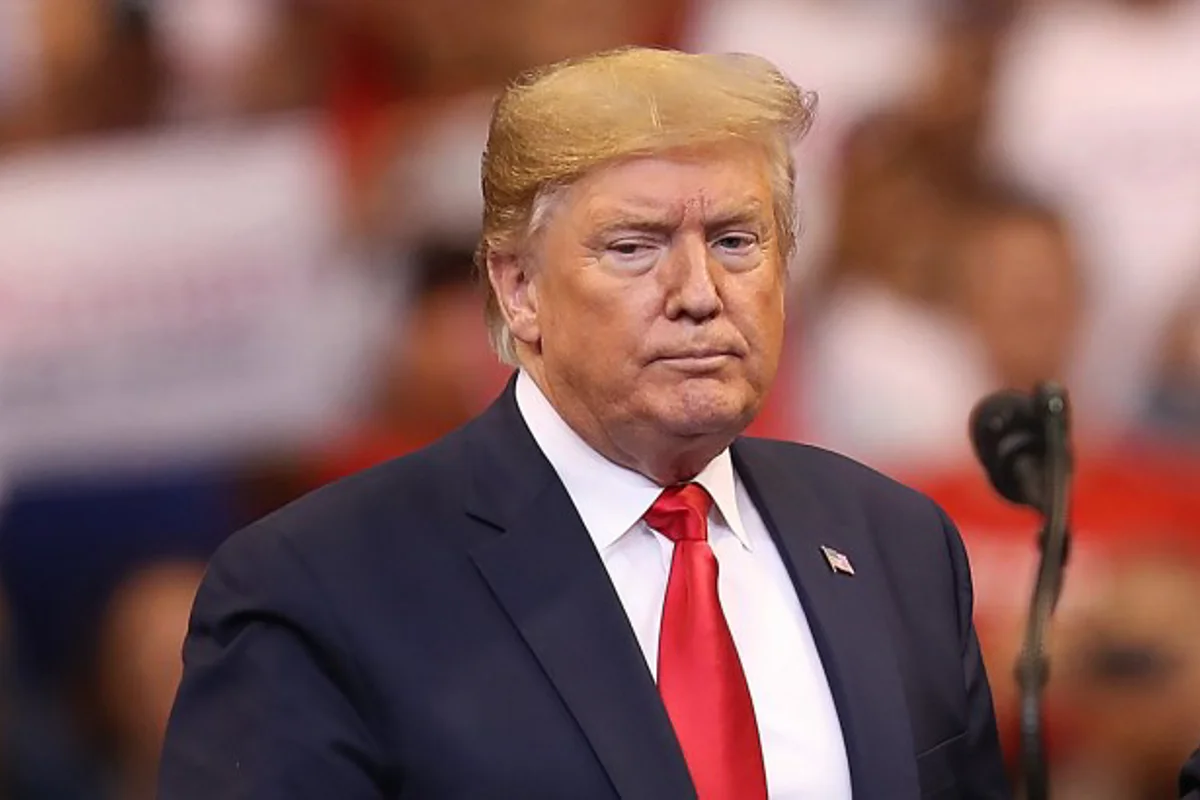
On Monday, December 2, the US President Donald Trump announced to immediately restore aluminium and steel import tariffs on Brazil and Argentina and even harsher penalties of up to 100 per cent against $2.4 billion of French imports, as a retaliatory move against France’s new digital-services tax that has hit the US technology company.
The reason cited for the aluminium and steel import tariffs on Brazil and Argentina was the unfair act by the US trading partners to disadvantage the country’s traditional economic pillars as well as its best hopes for future prosperity.
Donald Trump tweeted, “Brazil and Argentina have been presiding over a massive devaluation of their currencies, which is not good for our farmers.”
He also said the Federal Reserve body should take correct measures to resist countries from taking advantage of the US dollars by further devaluing their currencies; else, exporting goods are becoming difficult for domestic manufacturers and farmers.
This latest decision of the US administration marks the twist in Trump’s lingering trade war, which has become a major fixture of his foreign diplomacy and economic policy.

Trump added he looked to settle the trade deal with China this year, but those talks fell apart on multiple occasions. Currently, he is now focused on a partial trade deal, which he refers to as “Phase One” and which will include large purchases of US farm products by Beijing.
The next potential deadline that is expected to bring the US and China to the table is December 15, when the United States next round of tariffs is scheduled to impact about $160 billion in Chinese goods.
Brazil's President Jair Bolsonaro and Argentine production minister Dante Sica said they would seek talks with Mr Trump.
"Their economy is not comparable with ours, it's many times bigger. I don't see this as retaliation," Mr Bolsonaro said in a radio interview with Brazil's Radio Itatiaia.
Norsk Hydro to cut primary aluminium production at its Slovalco plant
Next articleThree months LME aluminium rose above moving averages on Monday night to touch US$1,791.5/t; likely to trade high today
Grow with
AL Circle