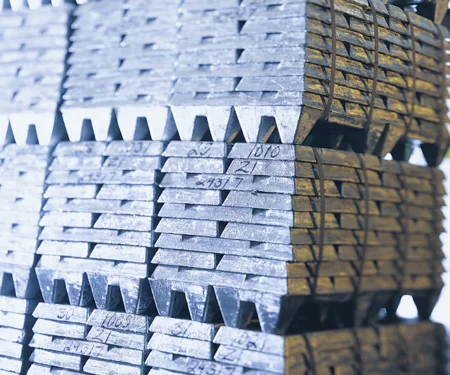
Tomago Aluminium in finalisation of a model for low-carbon industrial transition
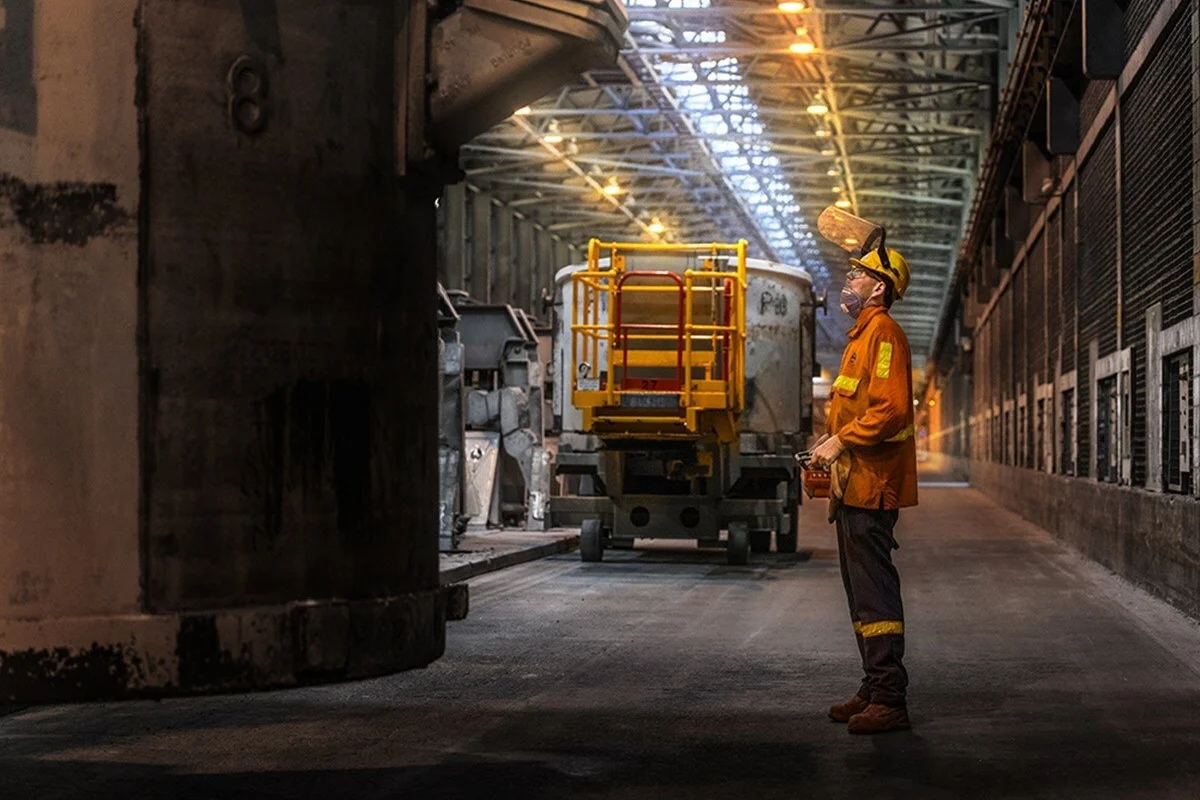
The Tomago aluminium smelter is planning to shift to renewable electricity, with an expectation of targeting 50 per cent renewable energy by 2030 and 100 per cent by 2035, while also strengthening the case for government-backed financial support.
To know how the Middle East crisis is affecting the smelters worldwide, read the report “Global ALuminium Industry Outlook 2026”
Last December, the Australian and New South Wales governments announced their support to ensure the continued operation of the Tomago smelter. As part of this support, they will ensure electricity infrastructure development and offer a fixed-price, long-term power purchase agreement that allows the smelter to remain internationally competitive.
The smelter is a major employer and energy consumer in NSW. It is the largest aluminium smelter in Australia, producing more than one-third of the country’s primary aluminium output and employing over 1,000 workers. It also represents the single largest electricity load in Australia, accounting for 12 per cent of NSW’s total electricity demand.
Tomago’s current electricity supply agreement is set to expire in 2028, and last year the company announced its intention to transition to 50 per cent renewable electricity by 2030 and 100 per cent by 2035. The smelter’s CEO noted that this shift would help “position the smelter for long-term success”. Renewable energy is currently the lowest-cost option for new electricity generation and remains equally cost-competitive.
However, in October, Tomago stated that it had been unable to find an affordable new electricity supply, whether coal-based or renewable. With electricity making up more than 40 per cent of its total operating costs, the smelter had been considering shutting its operations once its contract ends.
Although the final structure of the agreement has yet to be confirmed, reports indicate that Tomago could receive power from Snowy Hydro starting in 2028. This will partly involve newly developed energy projects designed to supply the smelter, with Snowy Hydro acting as an off-taker.
The government is expected to reduce electricity generation costs for these new projects by lowering their cost of capital through two main mechanisms: government credit support and concessional debt. The credit support component involves a government body or public entity, likely Snowy Hydro, acting as an intermediary, directly contracting clean energy and then supplying it to the smelter.
Because a public entity is viewed as a more reliable buyer than the smelter, renewable developers are able to secure lower-cost financing. The second mechanism allows renewable developers to access low-cost debt from public institutions such as the Clean Energy Finance Corporation (CEFC) and the National Reconstruction Fund, further reducing financing costs.
This approach is not new. Professor Roy Green, special innovation adviser at the University of Technology Sydney, explained that "it's a proven financial structure, effectively used by Neville Wran in the 1980s to secure coal-fired power for industry, and it can be applied just as effectively today for the new era of clean energy transition.”
Lowering the cost of capital for renewable projects can significantly reduce electricity prices. Estimates from Oxford Economics, late 2024, adjusted upward by 0.5 per cent, place the cost of capital for utility-scale solar and onshore wind in Australia between 5.5 per cent and 11 per cent.
The risk-free cost of capital, based on Australia’s 10-year government bond, is just under 5 per cent, representing the lowest achievable commercial financing rate. The higher end of the cost range applies to riskier projects, such as those without any offtake agreements or those exposed to market instability or less reliable buyers. Without government intervention, renewable projects supplying Tomago would likely face higher financing costs.
Government support to reduce the cost of capital for renewable electricity projects is an effective approach to decarbonising industrial energy use. Rather than relying on ongoing subsidies, this approach leverages the government’s strong credit profile to reduce the cost of developing renewable infrastructure.
In the case of Tomago, any initial government financial support could potentially be repaid through gains in aluminium prices and revenues from battery trading, said Oliver Yates, founding and former CEO of the CEFC.
Image credit - Tomago Aluminium
Must read: Key industry individuals share their thoughts on the trending topics

Century Aluminum promotes Levi Chaffin to Senior Vice President of Operations, Americas
Next articleLME aluminium and SHFE aluminium edged up overnight, and aluminium prices remained under pressure at high levels in the short term
Grow with
AL Circle