Timaru materials recovery facility recycles huge waste deposits from Ashburton

Ashburton, a large town in the Canterbury Region of New Zealand, has an implemented kerbside recycling scheme that yields almost 22 tonnes of waste materials in plastic, paper, cardboard, steel and aluminium per week. Now the collection from Ashburton is being conveyed to the new US$3.8 million materials recovery facility (MRF) located at Timaru, run by EnviroWaste.
EnviroWaste has just opened the unit this month and receives waste collectables from kerbside recycling junctures at Ashburton, Timaru, Waimate, Mackenzie and Central Otago district councils. They also accept wastages arriving from commercial enterprises.
The main activity at the plant is the initial sorting of the materials like plastic from paper, aluminium from paper or plastic and so on. This processing unit can generate 5 tonnes of sorted material per hour.
For a long period of time, human civilisation has been utilising aluminium and plastic wrappers for food or other commercial condiments. Still, it has always been a curious journey as to how we differentiate the materials after use so that they can be separately recycled for future applications.
The Ashburton District Council loads almost 22 tonnes of kerbside and rural waste products each week and shifts them to the Timaru plant for recycling.
Neil McCann, the Infrastructure Services Group Manager, declared that the initiative aimed to propel more and more people into the desirable practice of recycling.
“We know from audits of kerbside rubbish bins that we could be recycling more, and this new plant certainly has the capacity to deal with it,” he added.
The Council has recently published its updated Bin it Right booklet with helpful bulletins explaining how to recycle more to minimise waste.
Neil McCann proudly illustrated an occurring at the site: “Council staff visited the new Timaru plant recently and were impressed by the machinery’s ability to sort the materials. It was also a good to see that kerbside recycling, done correctly, can be easily processed.”
The waste is loaded into large conveyor belts, automatically separated and sorted by machine or hand while removing components that cannot be recycled. Flat items such as cardboard or paper travel through a fibre optical sorter, whereas huge magnets are used to remove steel or other ferrous metal.
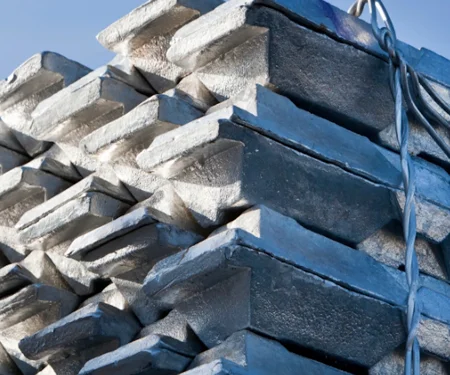
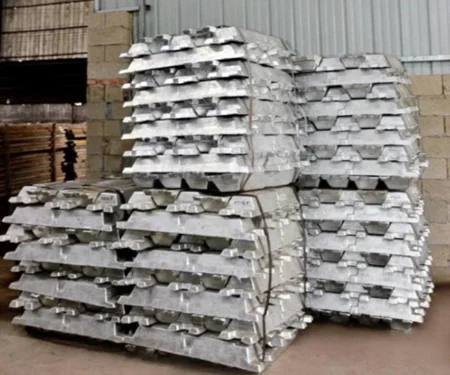
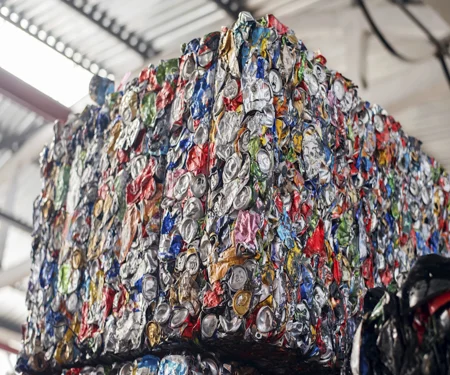
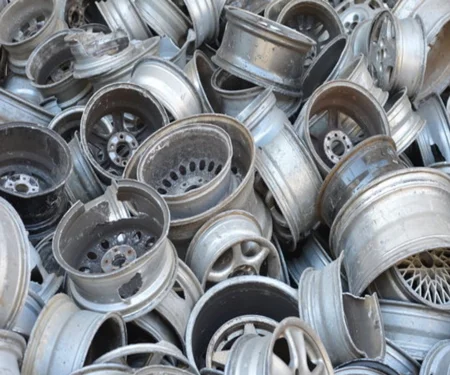
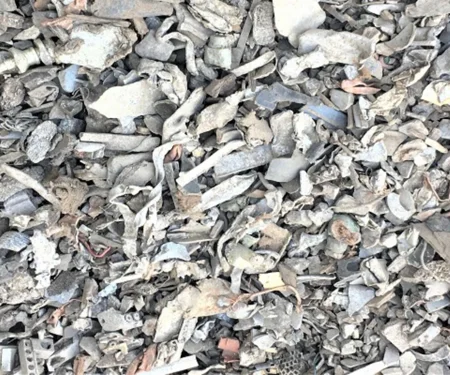
Most of the time, aluminium is found clubbed with either plastic or paper, other than the pure aluminium cans, which are very easily recyclable. The former combination must undergo rigorous sorting procedures before being separately utilised again as raw materials. Separated materials, like aluminium, are fed into the baler and compressed manually for future circulation along the packaging sector.
The CEO of EnviroNZ, Chris Aughton, claims that household and commercial recycling demands material sorting in a wider perspective but momentarily, everyday eco-friendly action is saving a lot of products from complete annihilation.
“Our new materials recovery facility is a piece of critical regional infrastructure that expands local recycling capabilities and supports community sustainability solutions. It keeps valuable resources in circulation and reduces the amount of waste that ends up in landfill,” he said in a statement.
The materials sorted and separated at the new plant find themselves travelling to local or international markets to enjoy a second life cycle.

Mr Aughton exclaimed that plastic waste is morphed into new packaging solutions to be utilised by the food, farming or construction industry. At the same time, glass bottles and jars are converted into seamless new containers. Since aluminium is infinitely recyclable, it, once transformed, can be used as raw material for can making, packaging and other notable activities.
“Households are a vital link in New Zealand’s shift towards a circular economy,” Mr Aughton remarked.
US aluminium scrap exports to Thailand record an expansion of 8,310 tonnes in April’22
Next articlePyroGenesis Canada successfully validated the DROSRITE residue
Grow with
AL Circle