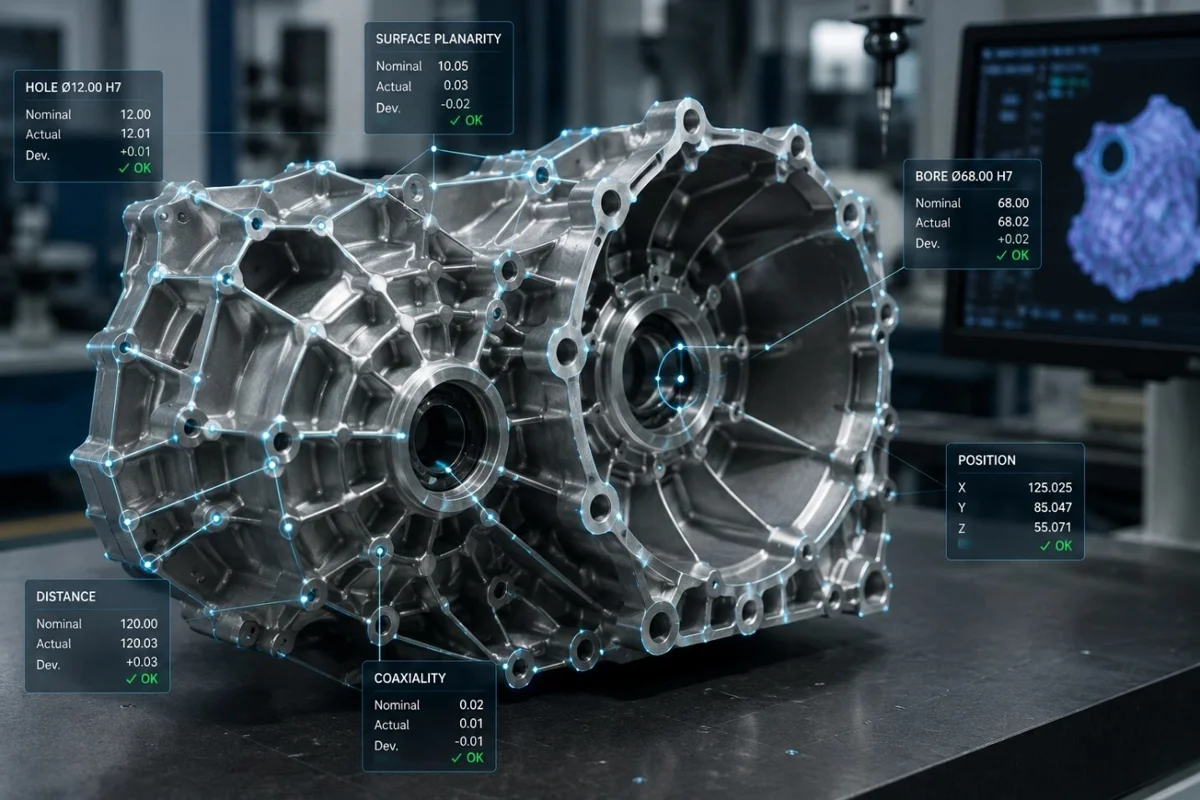
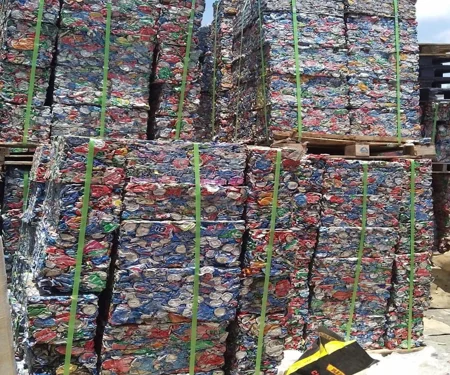
The image used in this article is generated with an AI tool and does not depict any real-time moment
In the foundational article of this AL Circle exclusive series, we showcased the financial reality awaiting downstream aluminium exporters in 2028. We established that the European Union Carbon Border Adjustment Mechanism (CBAM) will permanently erase the comfortable illusion of the corporate veil. We concluded with the remark: survival requires tracking and verifying the embedded carbon inherited from every upstream supplier.
{alcircleadd}Today, we confront the exact mechanics of that legacy.
During the initial CBAM rollout, regulatory attention focused heavily on the importation of basic upstream commodities. The compliance model for simple goods, like unwrought aluminium, was administratively demanding but fundamentally linear. Importers calculated the emissions of a distinct metallurgical process and surrendered the corresponding carbon certificates.
However, as the mechanism advances towards its definitive phase in 2028, the scope expands aggressively to encompass complex downstream manufactured goods. This expansion forces the entire global manufacturing sector into the realm of recursive carbon tracing. The central challenge for an Original Equipment Manufacturer (OEM) is no longer calculating the carbon footprint of a singular raw ingot. Instead, the framework demands the systematic deconstruction of finished products. Manufacturers must trace the embedded emissions of every upstream input material, legally defined as a precursor, through highly fragmented, multi-tiered global supply chains.
To understand the sheer scale of this data mandate, we must examine the architectural logic of the European Commission. Macroeconomic modelling quickly revealed a major flaw in the original CBAM design. If a European automotive manufacturer is forced to purchase domestic aluminium with the embedded cost of EU carbon allowances while a foreign competitor imports a finished vehicle component without any border adjustment, the risk of carbon leakage is not eliminated. It is merely pushed down the value chain.
To neutralise this discrepancy, the European Commission plans to capture approximately 180 downstream product categories by 2028. Heavy machinery and specialised equipment account for a massive 94 per cent of these targeted goods. This encompasses motor vehicles for goods transport, industrial robots, agricultural tractors, and a vast array of discrete parts, including chassis, gearboxes, road wheels, and radiators.
For OEMs operating in these sectors, this extension introduces precursor logic. The European authorities do not heavily tax the final assembly process of a complex product which typically generates minimal direct emissions. Rather, they retroactively tax the energy-intensive raw materials embedded within the final product.
For aluminium-intensive complex goods, this precursor chain is highly stratified. The lifecycle begins with bauxite extraction and moves to alumina refining. Understanding exactly why alumina is left out and the logic behind its CBAM exclusion is critical for supply chain managers mapping their initial exposure. After refining, the chain enters the highly energy-intensive electrolysis process to produce unwrought primary aluminium, categorised under Combined Nomenclature (CN) code 7601. This foundational precursor is then cast, rolled, or extruded into intermediate products like profiles and sheets, categorised under CN codes 7604 through 7607.
When an OEM brings in a complicated final product like a commercial vehicle gearbox, they must legally skip their Tier 1 assembler, find the Tier 3 extrusion facility, and get confirmed emissions data from the Tier 4 smelting plant. This requirement transforms the OEM from a mere purchaser of goods into a forensic auditor of global metallurgical networks.
…and so much more!
SIGN UP / LOGINResponses