Technology using aluminium scrap and sea water helps cleanse CO2 from atmosphere
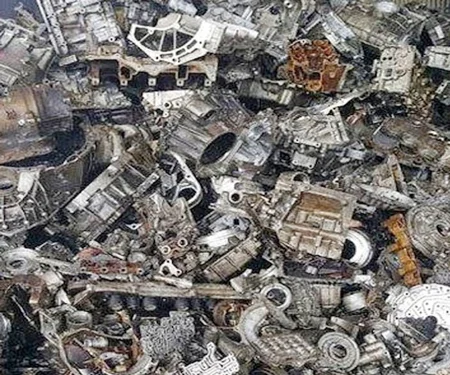
A team of researchers at the University of York has developed a novel solution for capturing atmospheric, undesirable carbon dioxide using sea water from Whitby in North Yorkshire and aluminium scrap. The technology could help capture 850 million tonnes of the greenhouse gas responsible for global warming.
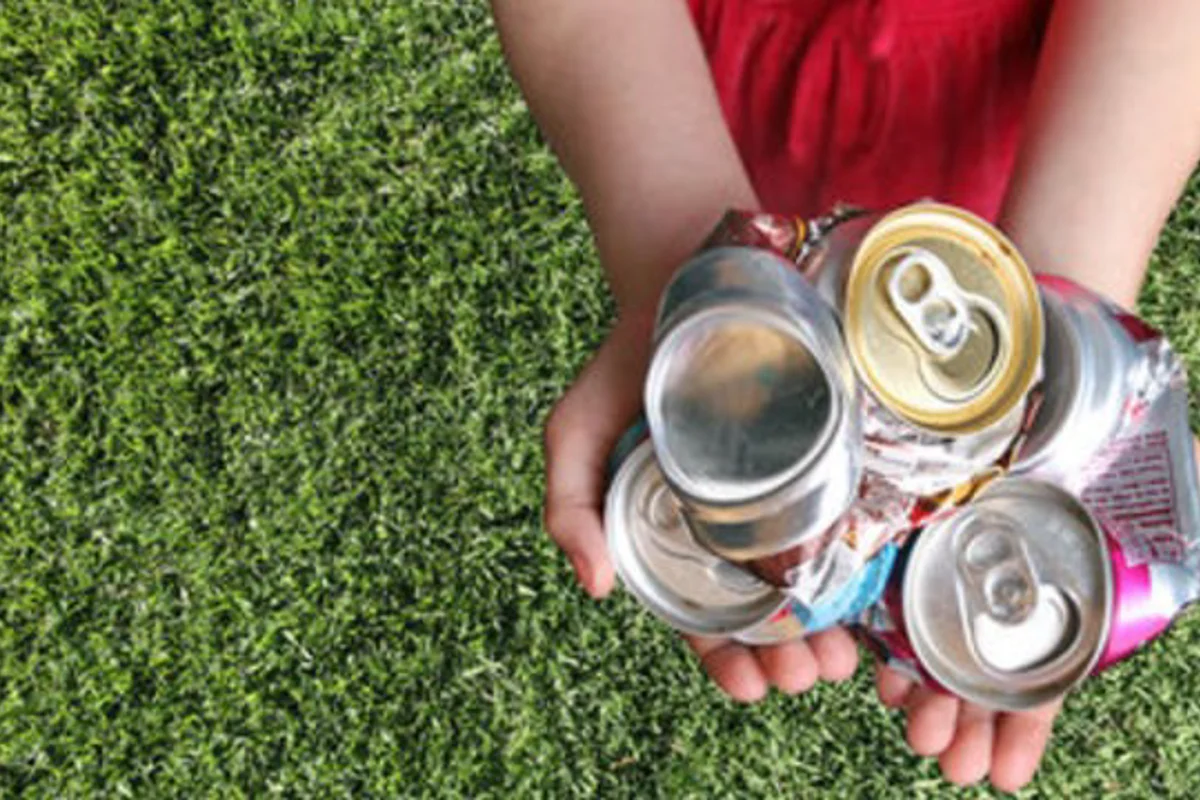
While creating the technology solution, the researchers first filled an aluminium reactor with sea water and waste aluminium collected in the form of used aluminium foils. Carbon dioxide was then passed through the sea water inside the reactor. Electricity captured from solar panels was then conveyed through it which resulted in the activation of waste aluminium. The activated aluminium then reacted with the dissolved CO2 turning it into dawsonite mineral.
Unlike in other CO2 treatment procedures, hydrogen is not used in this chemical reactor which makes the solution even cheaper.

"Tens of millions of tonnes of waste aluminium are not recycled each year, so why not put this to better use to improve our environment? The aluminium in this process can also be replaced by iron, another product that goes to waste in the millions of tonnes. Using two of the most abundant metals in the Earth’s crust means this process is highly sustainable," Professor Michael North, the University’s Department of Chemistry noted.
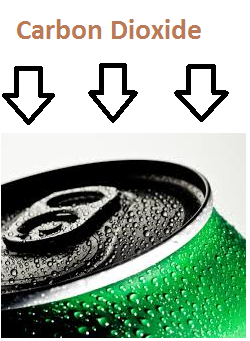
The researchers are currently improvising to maximize energy efficiency of the aluminium scrap-based CO2 cleansing technology. They aim to build a full-scale production out of it once the technicalities are sorted.
India’s aluminium scrap import during April-Sept FY2018 valued at US$940.91 million
Next articleData shows a fall in aluminium scrap imports by Austria in 2017
Grow with
AL Circle