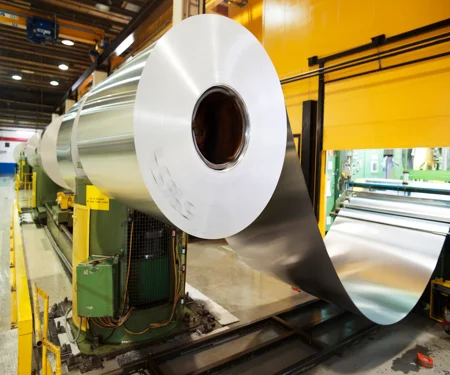
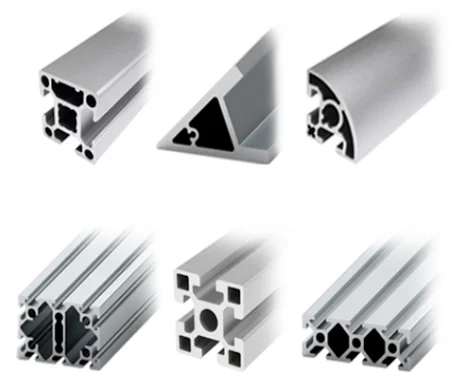
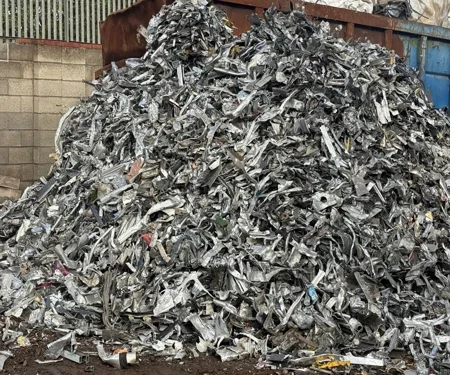
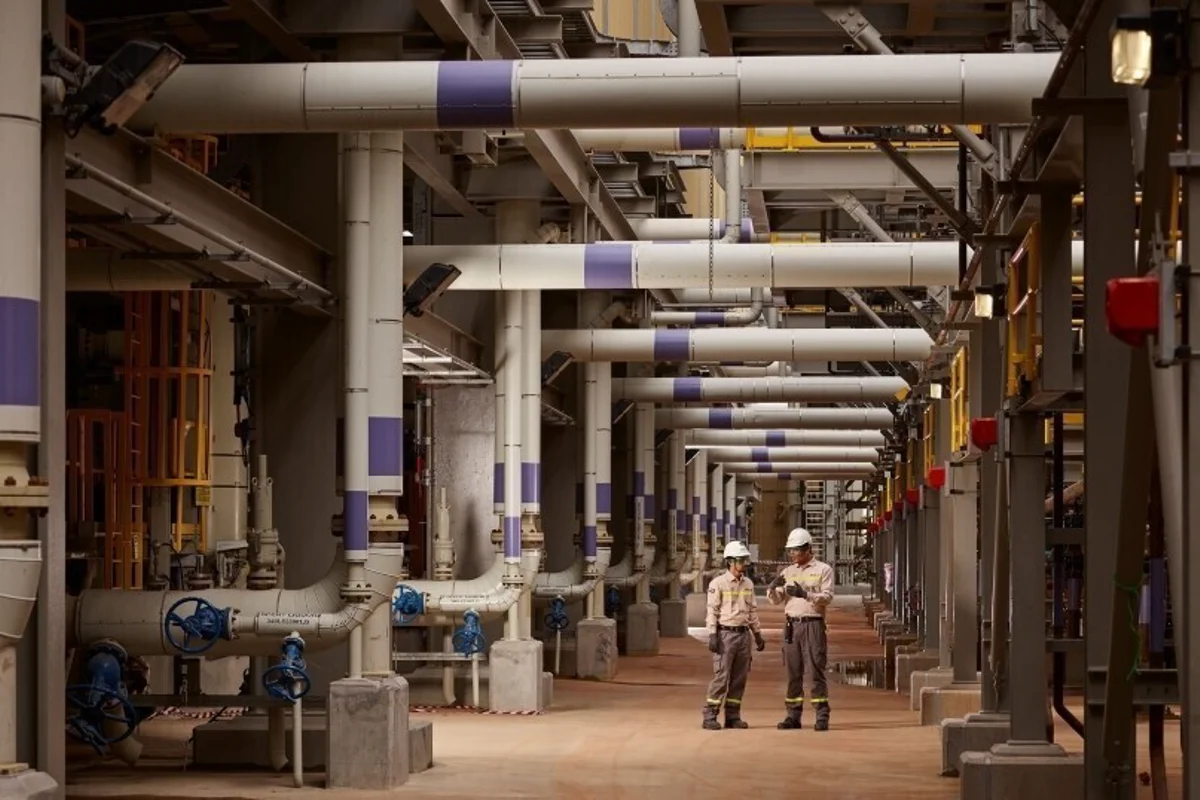
Emirates Global Aluminium (EGA), the world’s leading ‘premium aluminium’ producer, has long been a trailblazer in the global metals sector. From being the first in the Middle East to join the Aluminium Stewardship Initiative to pioneering the international sale of UAE-developed industrial technology, EGA has consistently set benchmarks. Building on this legacy, EGA has now taken a significant step toward advancing rare metal production. In collaboration with the Tawazun Council and RTX, EGA has signed a MoU to establish the UAE’s first gallium production source further cementing its leadership in strategic material development and sustainable industrial growth.
Now here comes the question – Why Gallium?
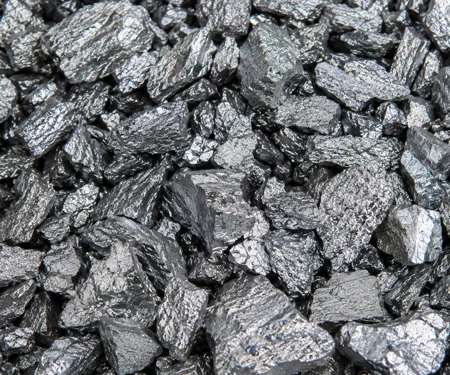
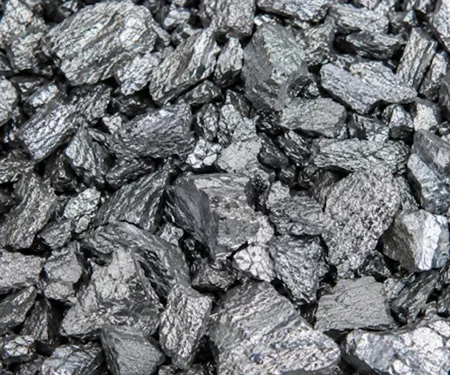
Gallium (Ga) is closely linked to the aluminium industry, as it is commonly recovered as a byproduct during alumina (Al₂O₃) production. In the Bayer process widely used to extract alumina from bauxite, gallium accumulates in the sodium aluminate solution, from which it can be extracted. Beyond aluminium production, gallium is also present in residues from zinc processing and other industrial byproducts.
Gallium plays a vital role across a wide range of industries, with key applications in semiconductors, electric vehicles, medical devices, and telecom infrastructure. In the defence sector, gallium is especially critical, serving as an essential material in advanced radar systems and other high-tech defence products. So how can Gallium help EGA in its journey and why EGA took this significant step of establishing UAE’s first gallium production source - this is what we will highlight in the article.
How will this deal help with EGA’s sustainability journey?
Emirates Global Aluminium (EGA) has pledged to achieve net-zero greenhouse gas emissions by 2050, encompassing both its operations and supply chain. This ambition supports the UAE’s Net Zero by 2050 initiative and reflects EGA’s recognition of the need for commercially viable solutions in alternative smelting and carbon capture technologies. To reach this goal, EGA is actively developing a comprehensive roadmap in collaboration with internal teams and external experts.
Gallium contributes to achieving net-zero greenhouse gas emissions through its applications in gallium nitride (GaN) technology and innovative CO₂ conversion processes. GaN, a high-efficiency semiconductor, is widely used in power electronics to enhance energy efficiency and reduce emissions. So, the recent deal for establishing UAE’s first gallium hub can help EGA in achieving this.
Furthermore, liquid gallium plays a role in cutting-edge methods that convert carbon dioxide into oxygen and solid carbon a material with potential uses in batteries, construction, and other industries offering a promising pathway to mitigate atmospheric CO₂ levels.
Role of gallium with BMW & EGA
Emirates Global Aluminium (EGA) is the first company in the world to make aluminium (CelestiAL) using the solar energy. Gallium may not play a direct role in EGA’s “CelestiAL” solar aluminium production, but it holds significant importance in adjacent industries. While EGA focuses on lowering carbon emissions in aluminium manufacturing such as by using solar energy to produce CelestiAL , gallium is essential to technologies that support the clean energy transition. Its critical role in semiconductors, electric vehicles, and advanced electronics makes it a key mineral in today’s global supply chains.
Talking about EV, BMW group is known for using EGA’s CelestiAL-R to manufacture premium aluminium components for its vehicles. The collaboration began in 2013 and was further extended in 2021, the BMW Group became the first customer to use EGA’s CelestiAL solar aluminium. Since then, EGA has been the exclusive supplier of CelestiAL-R to the BMW Group.
BMW has also used gallium in its vehicles, specifically gallium nitride (GaN) for its electric vehicles (EV) system components like inverters and on-board chargers. GaN transistors offers advantages like higher efficiency, smaller size, and higher power density compared to traditional silicon-based transistors, making them valuable for EVs.
This recent deal can strengthen BMW’s supply chain for such critical materials, in case BMW uses gallium-based semiconductors (like GaN or GaAs) in its vehicle platforms. Since most gallium production is dominated by China, the deal can establish a new source for gallium in the UAE. The deal will also help to deepen its trust and logistic synergies.
The collaboration with the RTX
Gallium is vital to the aerospace and defence sectors, primarily for its role in producing gallium nitride (GaN) semiconductors. GaN is integral to advanced radar systems, missile defence, and electronic warfare technologies, thanks to its high frequency and wide bandwidth performance. These properties significantly enhance the power, range, and sensitivity of defence systems. Additionally, GaN supports more efficient power management, allowing for smaller, lighter, and more reliable power supplies in critical applications.
As a result it can be touted that RTX aims to ensure a reliable and direct upstream resource for its GaN production through its involvement with EGA to establish the UAE’s first gallium production source. RTX has long been dependent on China for gallium. As a result RTX's new partnership with the UAE marks a strategic move to diversify its supply chains and establish it as another source for gallium. By sourcing gallium from the UAE, RTX will strengthens its material security while supporting the UAE’s emergence as a new player in critical mineral supply.
How has RTX incorporated gallium?
In relation to this, RTX Corporation (formerly Raytheon Technologies) a leading global aerospace and defence company, delivering advanced systems and services to commercial, military, and government clients has already employed gallium in the form of gallium nitride (GaN) semiconductors.
Not only this, RTX Corporation has its own Gallium Nitride (GaN) foundry in Andover, Massachusetts. This facility produces military-grade GaN technology, which is integrated into key radar systems such as the SPY-6 radar for the U.S. Navy and the Lower Tier Air and Missile Defense Sensor (LTAMDS) for the US Army. GaN is a critical material in RTX’s radar systems, including the AN/TPY-2 X-band radar used for missile defence and the radar components of the Patriot air-and-missile defence system.
In short, RTX is knitting together an end-to-end gallium-GaN ecosystem which will involve mining and refining in Abu Dhabi, fabrication in Andover, followed by deployment into critical radar systems. It’s a strategic move to secure materials, protect advanced technology, and maintain military readiness.
Emirates Global Aluminium’s move to establish the UAE’s first gallium production facility through a strategic collaboration with Tawazun Council and RTX is both visionary and timely. Gallium, a critical byproduct of aluminium refining, is increasingly essential across defence, electronics, EVs, and clean energy sectors, and EGA’s vertical integration into its production aligns with both global material security needs and the UAE’s industrial diversification goals. This move will position UAE as a new and reliable node in the geopolitically sensitive rare metals network, adding value to both its economy and its global partnerships.












_md.webp)