In a volatile fusion of tariff tensions, supply chain snarls, and shifting trade dynamics, US aluminium import costs have surged to multi-year highs, reshaping the metals market and sending shockwaves through American manufacturing.
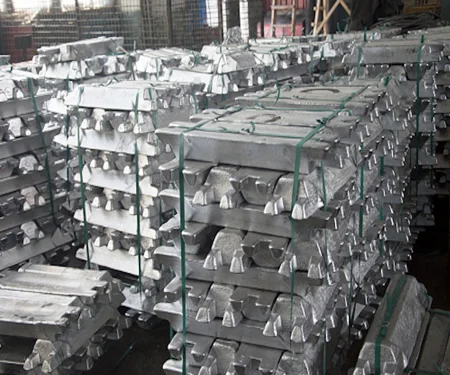
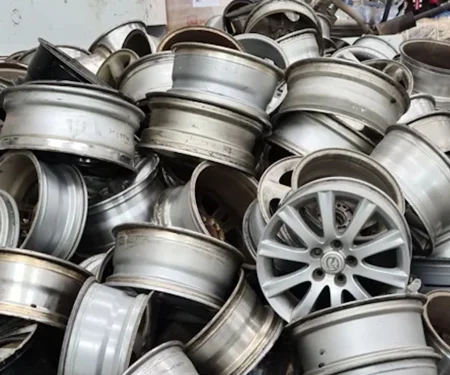
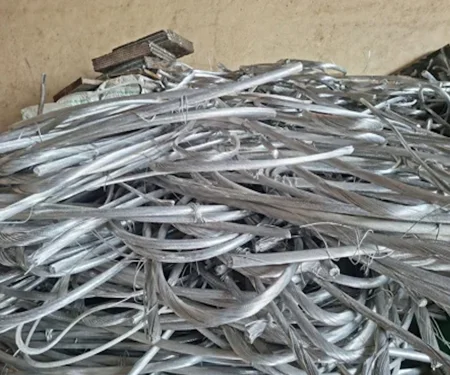
Image for representational purposes only
On April 9, 2025, the United States imposed additional aluminium tariffs — 20 per cent on EU-origin goods and 10 per cent on UK imports, building on the existing 25 per cent base duty introduced under Section 232 in 2018. For EU producers, the effective tariff rate now stands at a crushing 45 per cent, sending shippers and buyers scrambling.
The Midwest Premium, the benchmark regional surcharge that includes transport, handling, and tariffs, has reacted dramatically. According to Reuters and CME Group data, the Midwest Premium recently spiked to over 33 cents per pound, a level not seen since the tariff war era of 2018-2019. That’s nearly double the average of 17-18 cents recorded in early 2023.
Middle East tensions have forced commercial ships to reroute via the Cape of Good Hope, extending voyages from the Persian Gulf to the US East Coast by 40 per cent and Asia-to-US East Coast routes by 30 per cent. While container shipping rates have dropped 75 per cent from 2021 peaks, policy uncertainty and North American port capacity constraints remain critical risks. Industry insiders warn that volatile trade policies could trigger another freight cost surge.
Though China faces its own set of US tariffs and quotas, the new US-EU tensions open strategic opportunities. Chinese aluminium, especially from Rusal-backed ventures and state-owned giants like Chinalco, is increasingly redirected toward Asia, Africa, and Latin America.
The US, which imported over 5 million tonnes of aluminium in 2024 (USGS), remains a net importer of the metal. With tariffs squeezing margins, manufacturers are passing costs downstream.
Automakers, who account for nearly 40 per cent of US aluminium demand, are already raising prices. Ford and GM both signalled in earnings calls that “input cost inflation” was eating into Q1 margins. In aerospace, Boeing suppliers have reported aluminium sourcing difficulties, while packaging giants like Ball Corp are reviewing contract structures to hedge against further volatility.
The impact goes beyond tariffs. S&P Global reports that US buyers, anticipating the April tariffs, front-loaded imports in Q1, leading to temporary port congestion on both coasts. At the same time, some suppliers are stockpiling inventory in Asia, uncertain about future access.
“We’re seeing a fundamental rethink in how companies manage risk,” said Jim McCullen, EVP at Century Supply Chain Solutions. “Diversifying sources, extending inventory cycles, and localising production are now board-level priorities.”
Further exacerbating the crisis, geopolitical instability has reshaped shipping lanes. With Red Sea and Middle East tensions, vessels have rerouted around the Cape of Good Hope, lengthening shipping times by 30-40 per cent. For example, a typical Gulf-to-US East Coast voyage now takes 32-35 days, up from 24.
Even though container shipping rates have plummeted, down 75 per cent from the 2021 highs per Drewry Shipping Index, port delays and capacity limits are keeping logistics costs stubbornly elevated.
Meanwhile, upstream players are pivoting. FYI Resources Ltd., an emerging producer of high-purity alumina (HPA), is moving quickly to secure domestic processing partnerships. In a recent ‘METALS 100’ interview, MD Roland Hill noted that their commercialisation strategy now includes government collaboration and critical mineral funding channels.
“The key now is resilience,” Hill said. “We’re aligning with policy shifts that support domestic production of strategic materials.”
The aluminium upheaval isn’t just about price — it signals a paradigm shift in global trade strategy. With the US targeting a ‘friendshoring’ approach and considering new zero-for-zero deals under its Indo-Pacific and transatlantic frameworks, the market could fragment into tariff-safe blocs.
For now, however, American industry is absorbing the shock and recalibrating fast.













_md.webp)
_md.webp)
_md.webp)