Top Stories
Grow with
AL Circle
Price
→Events

15th International Bauxite, Alumina & Aluminium Conference & Exhibition - IBAAS–VFMSTA 2026
ICSOBA 2026 - 44th International Conference and Exhibition
India Mining Week 2026
15th International Bauxite, Alumina & Aluminium Conference & Exhibition - IBAAS–VFMSTA 2026
ICSOBA 2026 - 44th International Conference and Exhibition
India Mining Week 2026
Business Cards
A report that reveals where the aluminium casting industry is heading and how businesses can act.
LEARN MORE
North America’s aluminum extrusion demand set to reach 3.54Mt by 2035: The end-use sectors behind the climb
US produced 339kt aluminum in H1 2026: Can new projects change the outlook?
Germany exports 86% of TRIMET’s aluminium production despite 1.84Mt domestic demand from automotive, packaging & extrusion industries
Indonesian Aluminium: The shift from mining to smelting
Germany’s automotive industry drives 32.8% of aluminium consumption as EV production rises 23%, led by Volkswagen, BMW & Mercedes-Benz
News
VIEW MORE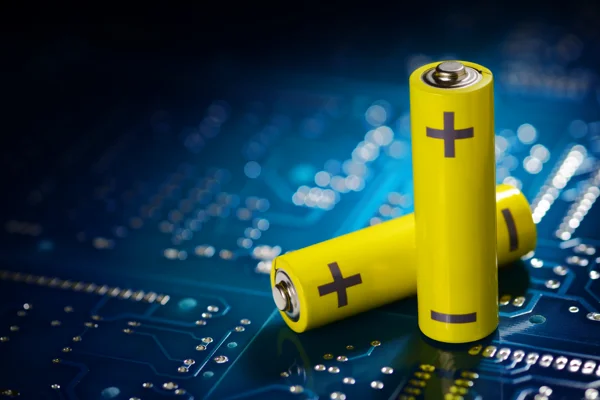
AI model identifies electrolyte conditions to reduce aluminium corrosion in batteries
Researchers at the University of Waterloo have developed an artificial intelligence-based framework to analyse aluminium corrosion and identify electrolyte conditions that could improve the performance of aluminium-air batteries. Aluminium-air batteries have attracted interest as a potential energy source for electric vehicles because aluminium is abundant, recyclable and relatively inexpensive. However, corrosion of the aluminium anode in alkaline electrolytes remains a major challenge, as it wastes active material, generates hydrogen gas and affects battery reliability. Published in Frontiers in Batteries and Electrochemistry , the study examined how a commercial aluminium-magnesium-silicon (Al-Mg-Si) alloy corrodes in sodium hydroxide (NaOH) and potassium hydroxide (KOH) solutions at...
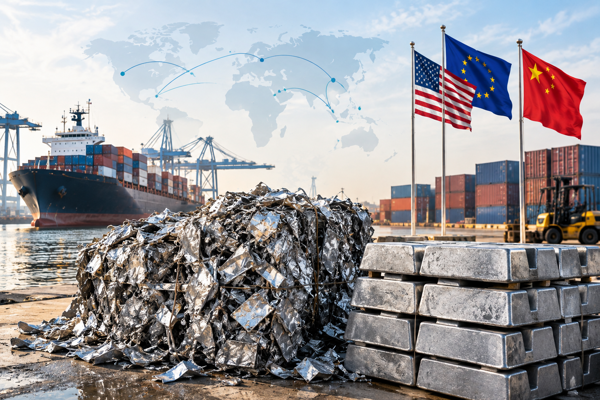
AL Circle Analysis: US scrap imports hit 580kt as China slips 3.2%, who drives aluminium recycling?
Aluminium scrap is no longer a side story in the metal’s market. Rather, aluminium’s next standoff is over scrap. As US imports surge 37 per cent while China’s purchases decline, manufacturers in Europe and India are confronting a common challenge of securing affordable, reliable raw materials. With recycling rates, trade barriers and low-carbon production reshaping market, the global industry faces a critical question: who will control the metal that powers its circular future? Join the fourth edition of the webinar "Hedging for recyclers - Become an expert in 6 hours" by Jorge Dyszel. A 1.1-billion-tonne stockpile: US stocks up, China steps back, India asks for access The US imported 580,000 tonnes of aluminium scrap worth USD 2.07 billion in H1 2026 , with Canada accounting for 63.62...
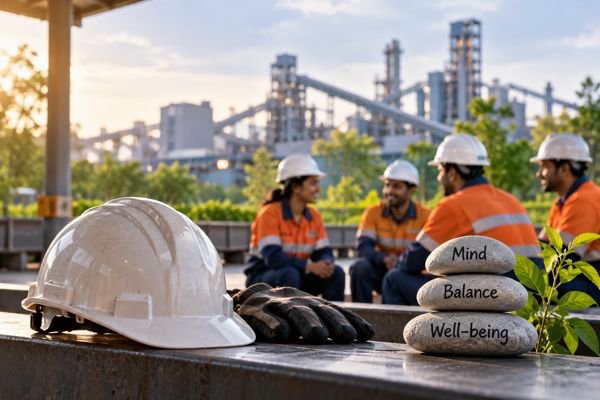
Strong workplaces start with supported people: Vedanta Aluminium’s approach
Vedanta Aluminium is expanding access to mental health support across its mining, refining, smelting and power operations, combining counselling services, digital wellness programmes and employee engagement initiatives to make emotional well-being a more integral part of workplace culture. At its Jharsuguda operations in Odisha, a digital wellness programme currently supports more than 2,900 employees and extends services to their family members. The initiative offers a 24/7 counselling helpline, personalised wellness pathways and access to professional guidance, allowing employees to seek support around their individual circumstances and work schedules. The company's initiatives come as World Mental Health Day 2026 highlights the theme “Lived Experiences Heard: Real Voices, Real Change”...

$1.5b Quebec AP60 expansion puts Rio Tinto at heart of low-carbon aluminum race
The low-carbon aluminum market has stepped into a more competitive phase as producers invest in cleaner smelting technologies, renewable power and new downstream applications. Rio Tinto’s $1.5 billion AP60 smelter expansion in Quebec is the latest major development, adding around 160,000 metric tons per annum (MPTA) of primary aluminum capacity when fully operational by the end of 2026. The project will lift total AP60 production at Complexe Arvida to about 220,000 MPTA while supplying lower-carbon aluminum to transportation, construction, electrical and consumer-goods customers. The Quebec expansion is expected to cut emissions by approximately 290,000 MPTA compared with the older Arvida technology, strengthening the case for energy-efficient, hydropower-based primary aluminum...
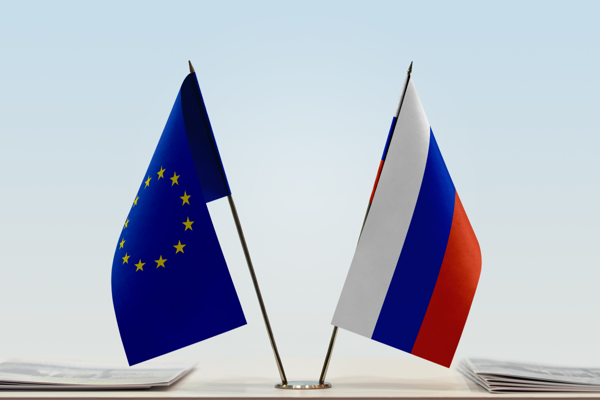
Russia takes EU’s CBAM to WTO: 5 key questions for global climate, aluminium trade
The European Union’s (EU’s) Carbon Border Adjustment Mechanism (CBAM) has entered a new phase of scrutiny. In light of the conflict between Russia and the EU, a new World Trade Organisation (WTO) panel was formed on September 25. The debate, initiated in May 2025, puts both the design and implementation of CBAM and aspects of the EU Emissions Trading Scheme (ETS) under the WTO lens, with implications extending beyond the EU-Russia conflict and possibly entering the aluminium trade boundaries. Join the fourth edition of the webinar "Hedging for recyclers - Become an expert in 6 hours" by Jorge Dyszel. Why is Russia challenging the EU-ETS? Russia has challenged the EU’s Emissions Trading Scheme (ETS) over the allocation of free emissions allowances to sectors considered vulnerable to carbon...
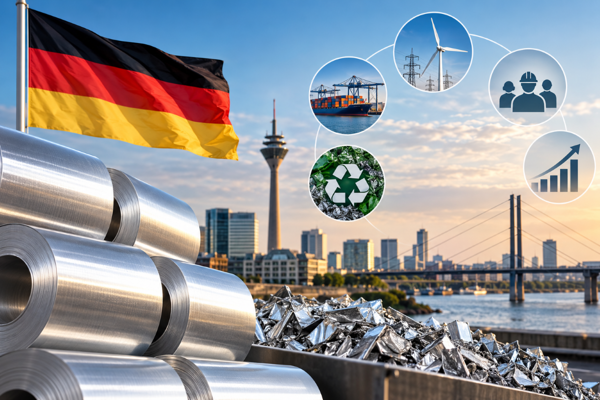
IG Metall and IGBCE call for stronger action as Germany’s aluminium industry faces energy and trade pressures
Germany’s aluminium industry is facing growing pressure from energy costs, international trade conflicts, industrial competitiveness and the need for skilled workers as the country works to strengthen its industrial base and accelerate the economic transformation. These challenges came into focus at an Aluminium industry conference hosted by IG Metall and IGBCE in Düsseldorf today, bringing together policymakers, aluminium producers, industry representatives, works council members and trade unionists. Held at the opening of the Aluminium trade fair in Düsseldorf, the conference focused on the future of Germany’s aluminium industry and the conditions needed to maintain a strong industrial base in Germany and Europe. The discussions centred on European industrial policy, the competitiveness...















Blog
LATEST POSTS





Turn marketplace visibility into more relevant buyer enquiries.
View Priority Plans
Turn marketplace visibility into more relevant buyer enquiries.
View Priority Plans
