Hydro converts 279,000 tonnes of açaí waste into industrial fuel to reduce coal use at Alunorte alumina refinery
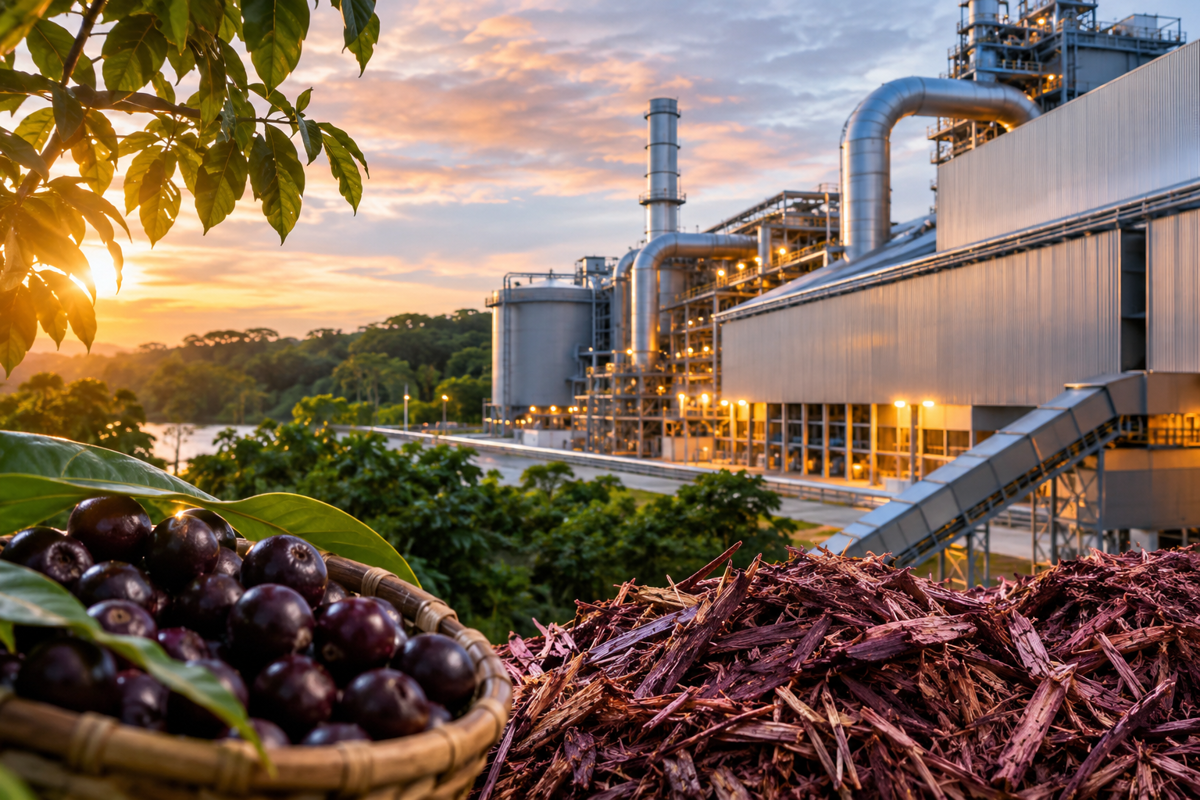
The image used in this article is generated with an AI tool and does not depict any real-time moment
Hydro is turning an agricultural waste challenge into an industrial energy opportunity in Brazil, using discarded açaí pits as biomass fuel to reduce coal consumption at its Alunorte alumina refinery. The initiative, developed in partnership with the Federal University of Pará (UFPA), is creating a new link between the Amazon's agricultural economy and the aluminum industry's decarbonization efforts.
Since its introduction, the project has processed approximately 279,000 metric tonnes of açaí pits, transforming a material traditionally treated as waste into an alternative source of thermal energy. The initiative also supports local businesses involved in biomass collection and processing, demonstrating how regional agricultural resources can contribute to more sustainable alumina production.
Discover how SEFAR® X-TREME tackles scaling challenges and enhances filtration performance in Kelly and Diastar pressure leaf filters. Join Sefar’s exclusive webinar!
Pará's açaí industry offers a solution to agricultural waste
The initiative gains significance against the backdrop of Pará's expanding açaí industry. The state produced 1.875 million metric tonnes of cultivated açaí in 2025, generating approximately BRL 8.33 billion (USD 1.47 billion) in production value, according to Brazil's Brazilian Institute of Geography and Statistics (IBGE).
However, processing the fruit generates substantial quantities of organic waste. Only around 20% of the fruit is used for pulp extraction, leaving the pits as a major byproduct requiring appropriate disposal.
Hydro's initiative provides an industrial application for this discarded material. Instead of treating the pits solely as agricultural waste, the project channels them into the energy requirements of alumina refining, connecting the agricultural supply chain with the mining and metals sector.
Hydro and UFPA develop a biomass solution for alumina refining
Research into the energy potential of açaí pits began in 2022 through a collaboration between Hydro and UFPA's School of Mechanical Engineering. The study involved 11 researchers and a planned investment of approximately BRL 500,000.
The research examined the biomass's energy characteristics, commercial viability and suitability for supplying an industrial operation. One of the major technical challenges was maintaining a consistent supply throughout the year, considering seasonal variations in açaí harvesting.
The findings supported the development of a supply and processing model that could accommodate the refinery's operational requirements.
Trading aluminium across borders? Find out the exact cost you need to bear for the embedded carbon in the product by using this CBAM calculator
How açaí pits generate thermal energy at Alunorte
At Hydro's Alunorte refinery in Barcarena, Pará, the processed biomass is used to generate thermal energy in industrial boilers. These boilers produce the steam required for refining bauxite into alumina, an essential raw material for primary aluminum production.
Before reaching the refinery, collected açaí pits undergo processing and drying at facilities operated by supplier companies. Moisture reduction is particularly important because it improves the material's performance as an industrial fuel.
Hydro has reported that the moisture content of the biomass has declined from 35% to below 25% over the past two years. This improvement has helped facilitate its increased utilization in the refinery's energy system.
The scale-up is already becoming visible. Between January and September 2026, Alunorte consumed three times more açaí biomass than during the project's first year, reflecting the growing integration of renewable fuel into its operations.
Biomass supply chain creates new income opportunities
Beyond its industrial application, the project is helping establish a regional supply chain around agricultural waste.
Two supplier groups currently provide Hydro with açaí pits collected from different municipalities across Pará. Their activities involve collecting, processing, drying and preparing the material for industrial use.
Carlos Neves, Hydro Bauxite & Alumina's senior vice president of operations, said the company is developing the engineering required to make the conversion possible.
The proposed change would represent a further application of agricultural biomass in alumina refining, although its implementation will depend on the outcome of the ongoing studies.
To know the futuristic market and value proposition of red mud, explore the report "A Comprehensive Analysis of Bauxite Residue (Red Mud): Sustainability, Resource Recovery and Strategic Recommendations"
Grow with
AL Circle














_md.webp)