Sustainability weekly: Rio Tinto signs 25-year PPA with European Energy while Egypt entrusts a Norwegian clean energy provider with the Nagaa Hammadi solar project
The sustainability sector is seeing a massive bloom with divergent green activities around nooks and corners. These initiatives collectively contribute to a sustainable economy by reducing carbon emissions, promoting the use of renewable energy sources, and innovating in recycling and green hydrogen production, aligning with global efforts to foster environmental responsibility and sustainability.
Fusina started sourcing 100% low-carbon primary aluminium for its tailor-made industrial products
Niche Fusina Rolled Products (Fusina) is sourcing 100% of its primary aluminium from low-carbon suppliers through Concord Resources Limited to reduce the total carbon footprint of its tailor-made coils, sheets, and plates. Fusina's new commitment ensures that all of its primary aluminium supply is under the carbon intensity threshold of 6 tCO2e/t, which is achieved through the use of renewable electricity. CarbonChain's calculations underpin Fusina's commitment by providing actionable data that Fusina and its customers can trust.
Rio Tinto secures 25-year PPA with European Energy, aiming to reduce carbon emissions by 50%
Rio Tinto commits to buying all the electricity generated by the 1.1GW Upper Calliope Solar Farm, Australia's largest solar power project near Gladstone. This initiative is part of Rio Tinto's commitment to incorporating renewable energy sources and advancing sustainability in its operations. The 25-year power purchase agreement with European Energy Australia aims to reduce its direct and indirect emissions by 50% by 2030. The construction of the Upper Calliope plant is scheduled to commence in 2025 or 2026 and is expected to reduce Rio Tinto's operating carbon emissions by an estimated 1.8 million tonnes per year.
Egypt confides in a Norwegian clean energy provider for the Nagaa Hammadi solar project
Egypt's Ministry of the Public Business Sector and Scatec ASA are exploring the development of a solar project to provide clean energy to power the aluminium complex in Nagaa Hammadi, Upper Egypt. The project aims to bridge the ecological gap with sustainability and green energy initiatives. The solar park will be completed in two phases, producing almost 500 MWh of green energy annually. By embracing solar power, the aluminium complex in Nagaa Hammadi aims to reduce its carbon footprint and aligns with global efforts to foster sustainability.
Calderys is proud to play a key role in the green hydrogen reheating revolution
Calderys is participating in HYDREAMS, a project that aims to remove carbon emissions from steel treatment thermal processes using green hydrogen from renewable energy sources. By replacing natural gas with green hydrogen in reheat furnaces, Calderys will study how the furnace's modifications affect the refractory lining. Successful completion of the HYDREAMS project is expected to lead to investment decisions for deploying green hydrogen reheating furnaces in at least five steel plants in Europe. Additionally, Calderys is the sole supplier of refractories in the TWINGHY project, which aims to reduce carbon dioxide emissions while saving energy and maintaining low NOx emissions.
IIT Madras researchers demonstrate successful utilisation of aluminium scrap to produce green hydrogen
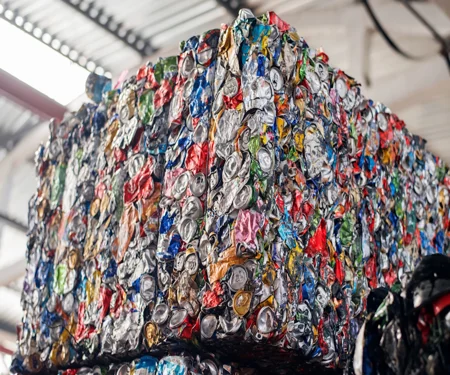
A team of scientists from IIT Madras has demonstrated using discarded aluminium cans to produce green hydrogen. Their method involves splitting water using industrial waste metal scrap at elevated temperatures. This method produces 500 mL of green hydrogen per gram of scrap material with an impressive efficiency of approximately 94%. This environmentally friendly approach is a cost-effective means of producing green hydrogen. Additionally, a US-based company, Monolith, has developed an economical method for producing green hydrogen through methane pyrolysis.
ASI certifies China Hongqiao Group’s two subsidiary aluminium rolling facilities against Performance Standard Certification
Next articleS&P Global CSA 2023: Vedanta Aluminium earns no.1 position as the world leader in sustainable aluminium production
Grow with
AL Circle