Study claims aluminium cans to be the world’s most recycled drinks package

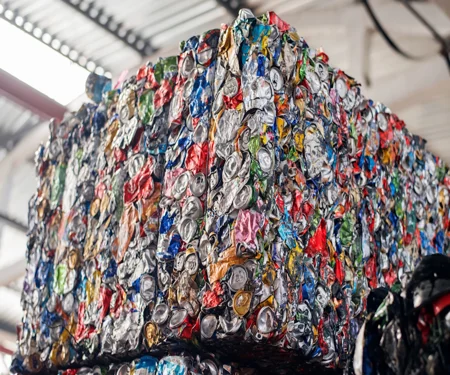
According to a new study by Resource Recycling Systems (RRS) that was commissioned by the Can Manufacturers Institute (CMI), Beverage Can Makers Europe (BCME) and Abralatas in Brazil, aluminium beverage cans are the most recycled drinks package in the world.
The study drew the conclusion using global recycling data and validating the global recyclability rates of aluminium, PET and glass beverage containers. The study established a global weighted average recycling rate for aluminium at 69%, PET at 43% and glass at 46%.
The study verified and validated the data for 82% of the aluminium can global market (representing 21 countries), 79% of the PET bottle global market (representing 23 countries), and 79% of the glass bottle global market (representing 22 countries).
As found by the study, aluminium recycling rate is 98% in Brazil, 79% in Poland, 77% in Japan, 72% in Italy and 55% in the United States.
Commenting on the study results, RRS Vice President Anne Johnson said, "Data on beverage container recycling rates for 25 countries, representing 80% of the global market, were reviewed and validated by the RRS Data Analytics Team. Even with factoring in the data reliability for each container type by comparing high and low error ranges, RRS determined that aluminum beverage containers remain the most recycled container globally."
"Aluminum beverage cans are, by far, the leader of beverage container recycling in the United States," said CMI President Robert Budway.
"Although we have always felt confident about making a global claim, we wanted third-party certification. We hope that beverage companies and consumers around the globe will recognize the importance of continuing to recycle this valuable material," he added.
Gordon Shade, CEO of Metal Packaging Europe said, "This is a welcome confirmation of the aluminium can's premium status in recycling. It is especially good news for consumers as, through their conscientious and responsible behaviour, they ensure the preservation of the material for future use."
According to Renault Castro, the CEO of Abralatas in Brazil, the study reaffirms the outstanding feature of the can, certifying that aluminium packaging has a true competitive and environmental advantage over its competitors, especially at a time when global warming is becoming a huge concern for the world.

About 75% of all aluminium ever produced is still in use today without ant loss of quality and that is a proof of its characteristic as a permanent material and its legacy as the most recyclable commodity. The report is encouraging and it opens up more avenues for further work to consolidate the leadership position and enhance the environmental credentials of aluminium.
‘India’s growing aluminium scrap appetite to be met through increased imports’
Next articleHouston’s curbside recycling program to resume in November after two-month suspension
Grow with
AL Circle