Studies highlight aluminium’s potential as a safer alternative to lithium-ion batteries
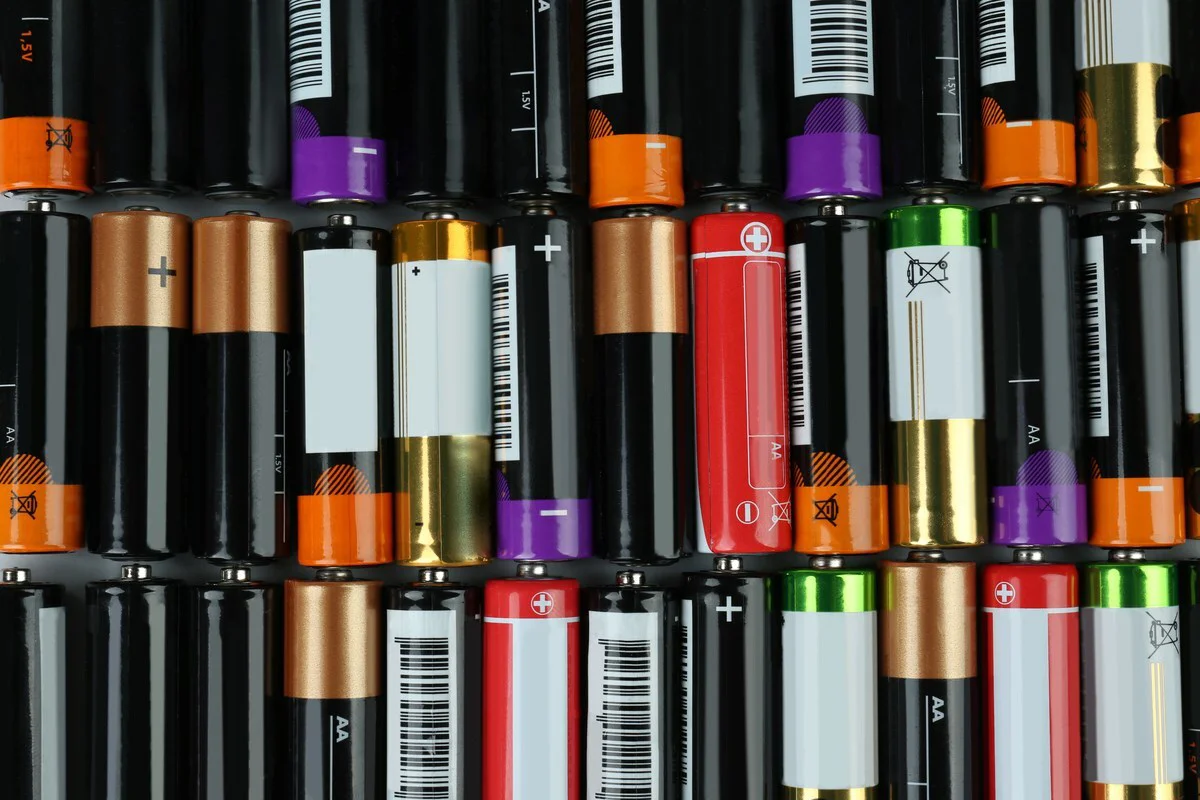
As the push grows to find safer and more affordable options beyond lithium-ion batteries, aluminium is gaining attention as a possible alternative.
Aluminium is being studied for batteries because it is cheap, widely available, and can store more energy than lithium. Each aluminium atom releases three electrons during reactions, compared to one in lithium. This allows more efficient energy transfer.
For the global aluminium value-chain 2026 outlook, book our exclusive report “Global ALuminium Industry Outlook 2026"
Although their voltage is lower at about 2.65 volts compared to 4.0 volts for lithium-ion batteries, they offer much higher theoretical energy density, around 1060 Wh/kg compared to 406 Wh/kg. Aluminium can release three electrons during reactions, while lithium releases only one, allowing more efficient energy transfer. But materials break down fast. They tend to crack or dissolve during recharges, face corrosion in water-based systems, and incur higher costs of suitable electrolytes, which limit large-scale use. This can pose a problem for the batteries’ performance.
Researchers at CeNS and Shiv Nadar Institution in India are fixing aluminium battery issues. They created a stable material by mixing vanadium oxide with MXene for a stronger battery structure.
The results showed improvement. The battery held over 73 per cent of its capacity after 100 charge cycles and around 59 per cent after 500 cycles. Material loss was also reduced.
Don't miss out- Buyers are looking for your products on our B2B platform
Work in this area is happening elsewhere, too. At the Beijing Institute of Technology, Chinese researchers are testing solid-state aluminium batteries that can run for more than 10,000 cycles. They are also working on better electrolytes to reduce corrosion.
These efforts prove that despite ongoing challenges, aluminium batteries are gradually advancing toward practical, real-world applications.

Polygon expands Collosus T aluminium range with new T5, T6 and T8 trail models
Next articleReynolds Wrap’s new aluminium foil adds decoration and durability to food packaging
Grow with
AL Circle