Strait of Hormuz closed, trade in disruptions, and crude oil price is on rise - what do they all mean for the global aluminium market?
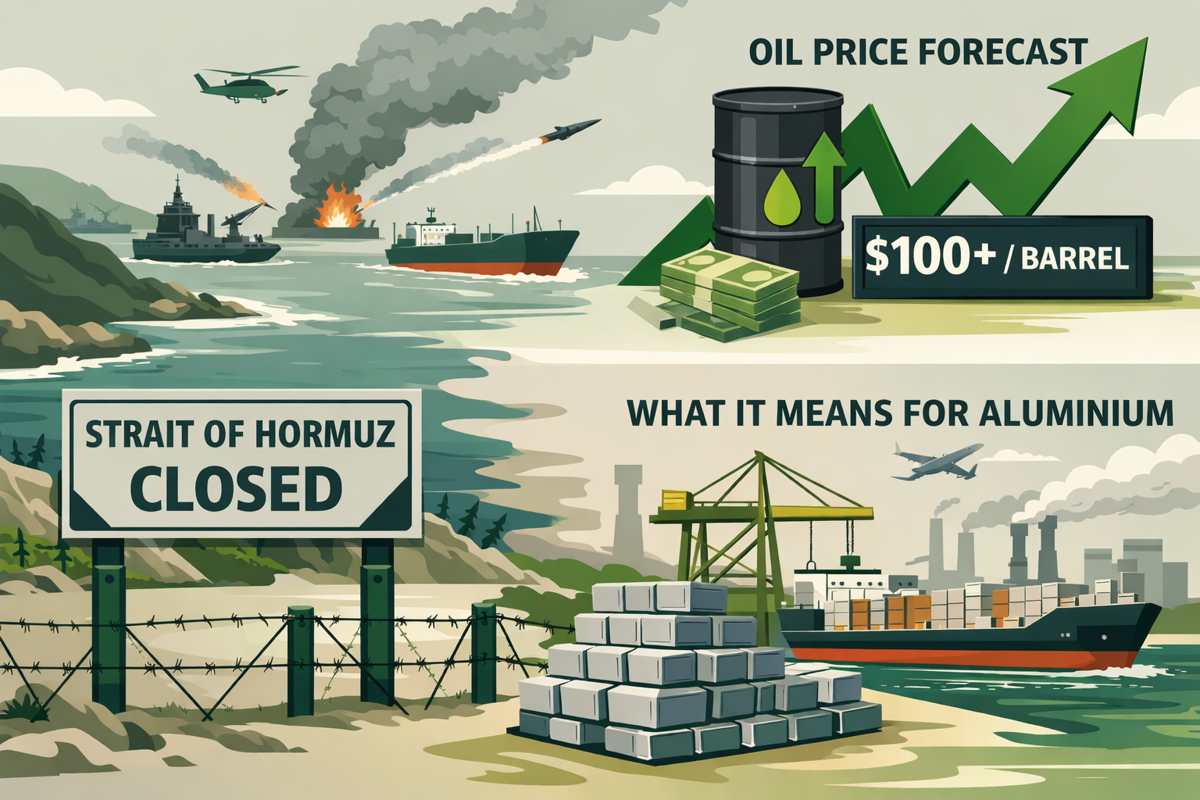
The escalating tensions surrounding the US-Israel conflict with Iran percolating down to the entire Middle East have triggered economic shockwaves across the globe. Aluminium and oil sectors are particularly vulnerable, and for obvious reasons. The Middle East is a pivotal region in aluminium production and oil extraction and also controls the world trade of these two commodities through the Strait of Hormuz, one of the most critical maritime shipping routes connecting the Persian Gulf to the Gulf of Oman and the Arabian Sea. Annually, the Strait of Hormuz handles an export volume of 5.14 million tonnes of primary aluminium, accounting for around 75 per cent of the region’s total production. Additionally, it serves as the passage for 20 to 21 million barrels of crude oil and petroleum liquids daily, representing 20 to 30 per cent of global consumption.
The effect of the Strait of Hormuz closure is already being felt
On the news of the closure of such a critical trade route, the fear of supply chain disruptions of both aluminium and oil intensifies, leading to a record surge of commodity prices. On March 2, primary aluminium price on the London Metal Exchange gained 2.17 per cent overnight, reaching USD 3,226 per tonne, up by 5 per cent over a week from USD 3,077 per tonne. On the other hand, crude oil price rose 3.84 per cent from the previous day, standing at USD 80.93 per barrel as of March 3, 2026.
Unlock full access – sign up for FREE.
Key benefits
LME aluminium climbs above $3,220t amid geopolitics, market momentum and lower stocks
Next articleLME aluminium cash offer rises 1.33% to $3,269/t on March 3 as opening stocks fall to 463,550t
Grow with
AL Circle