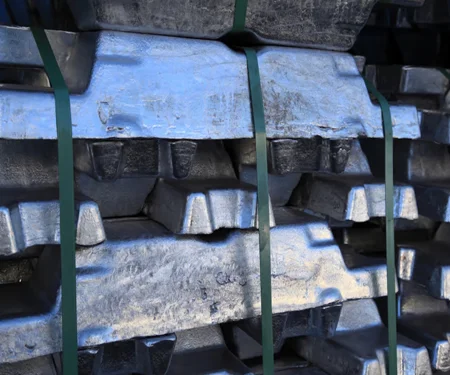
Groundbreaking designs have demonstrated that aluminium components used across various transport modes can be made nearly 50 per cent lighter without sacrificing strength. Coventry-based casting firm Sarginsons Industries has unveiled new designs showcasing a significant breakthrough in automotive lightweighting.
However, did you know that the global aluminium castings consumption is on a steady rise and is expected to reflect a 3.36 per cent growth in 2025? To learn more, get your hands on AL Circle's recently curated report, "Global Aluminium Industry Outlook 2025," which provides more information about the industry.
These designs are the initial outcomes of the Performance Integrated Vehicle Optimisation Technology (PIVOT) project, led by Sarginsons in collaboration with its partners. The project has secured a £6 million matched grant from the Advanced Propulsion Centre and Innovate UK.
Using AI-driven software currently in development, Sarginsons has further optimised an existing cast aluminium subframe that was previously reduced from 28kg to 15kg in 2022. The latest designs demonstrate that automotive aluminium components can substantially minimise weight without compromising mechanical integrity, paving the way for stronger, lighter, and more efficient vehicle structures.
The design highlights areas where excess aluminium has been removed, showcasing the software's capability to simulate a part's varying mechanical properties and strategically place material where it is needed most. Sarginsons aims to produce the first physical casting using this technology by summer.
Growing demand for aluminium casting
Overall, the downstream sector is expected to experience moderate growth in 2025. The casting sector constitutes 23 per cent of the total aluminium consumption, with extrusion leading the way, followed by FRP. According to AL Circle's recently curated report, "Global Aluminium Industry Outlook 2025", global aluminium castings consumption is on a steady rise. It is projected to grow from 23.18 million tonnes in 2024 to 23.96 million tonnes in 2025, reflecting a 3.36% increase.
This growth is driven by strong demand across key sectors such as automotive, aerospace, and construction, which continue to rely on aluminium castings for their lightweight, durable, and sustainable properties. Aluminium casting has evolved from a simple method into a thriving global industry, primarily driven by the growing demand for aluminium components in the automotive and construction sectors. This surge in usage has led to substantial investments in casting facilities and continuous advancements in technology to enhance casting processes.
The automotive industry's transition to electric vehicles (EVs) is a major driver of this expansion, as aluminium castings play a vital role in reducing vehicle weight and improving energy efficiency. Meanwhile, advancements in casting technologies—such as additive manufacturing and next-generation die-casting techniques—are boosting production efficiency and broadening aluminium's applications. This upward trend aligns with global sustainability goals, as aluminium's recyclability reinforces its role in circular economy initiatives, solidifying its position as a material of choice for the future.