The trade relation between the Russian Federation and Turkey dates back to the 1990s, following the collapse of the Soviet Union. What began as an exchange of food, energy, and industrial goods has matured into a modern partnership defined by sustainability, technology, and green metal trade. And at the heart of this evolving relationship stands RUSAL, Russia’s major aluminium producer. How? Rusal’s low-carbon aluminium journey aligns seamlessly with Turkey’s green energy ambitions. As Turkey accelerates its energy transition and strengthens its manufacturing base, its need for sustainable materials surges. Aluminium, the metal of choice for mobility, construction, and clean energy technologies, is now a linchpin in Turkey’s industrial strategy.
Turkey’s rising aluminium appetite: What’s driving demand
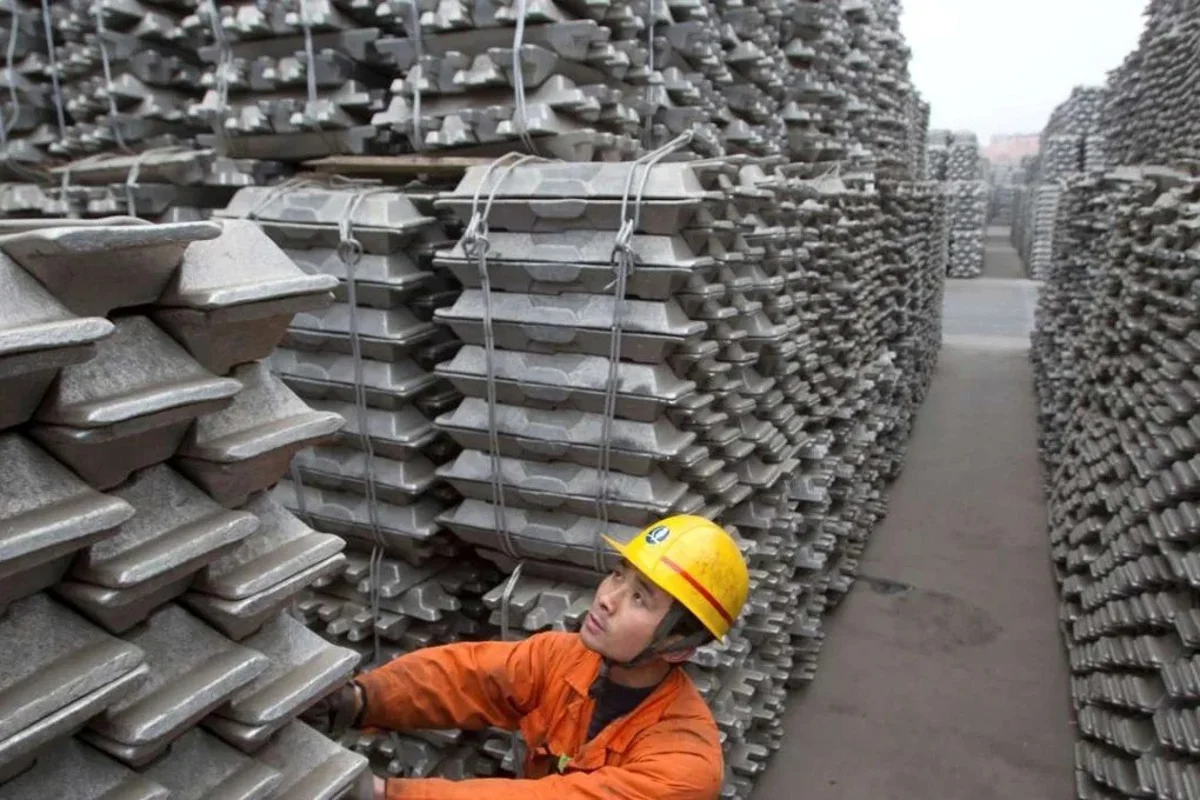
Aluminium consumption in Turkey has expanded in lockstep with its industrial growth. Based on 2023 and 2024 reports, Turkey’s per capita aluminium consumption is estimated at 12.3 kilograms - a level consistent with a rapidly industrialising economy. Since domestic production remains limited, 95 per cent of its primary aluminium demand is met through imports, according to TALSAD.
Russia, India, Malaysia, and Iran dominate Turkey’s supply mix. Among them all, Russia stands the highest supplier by alone accounting for 28 per cent of Turkey’s total aluminium imports. From 2015 to 2023, Turkey’s aluminium imports from Russia grew notably by 33.61 per cent, reaching 576,982 tonnes. Although 2024 saw a temporary slowdown to 359,252 tonnes, imports rebounded in 2025, climbing by 8.76 per cent from 241,670 tonnes to 262,850 tonnes until August 2025.
Behind this import growth lies the expansion of Turkey’s key aluminium-intensive sectors. Vehicle production reached 706,400 units in the first half of 2025, as the domestic EV market raced toward a projected 30 per cent share by year-end. Meanwhile, renewable energy capacity reached 72,492 MW by May 2025, representing 60.8 per cent of total installed power. Both industries - automotive and renewables - are heavy consumers of aluminium and are accelerating the shift toward greener inputs.
Turkey’s goal, RUSAL’s commitment
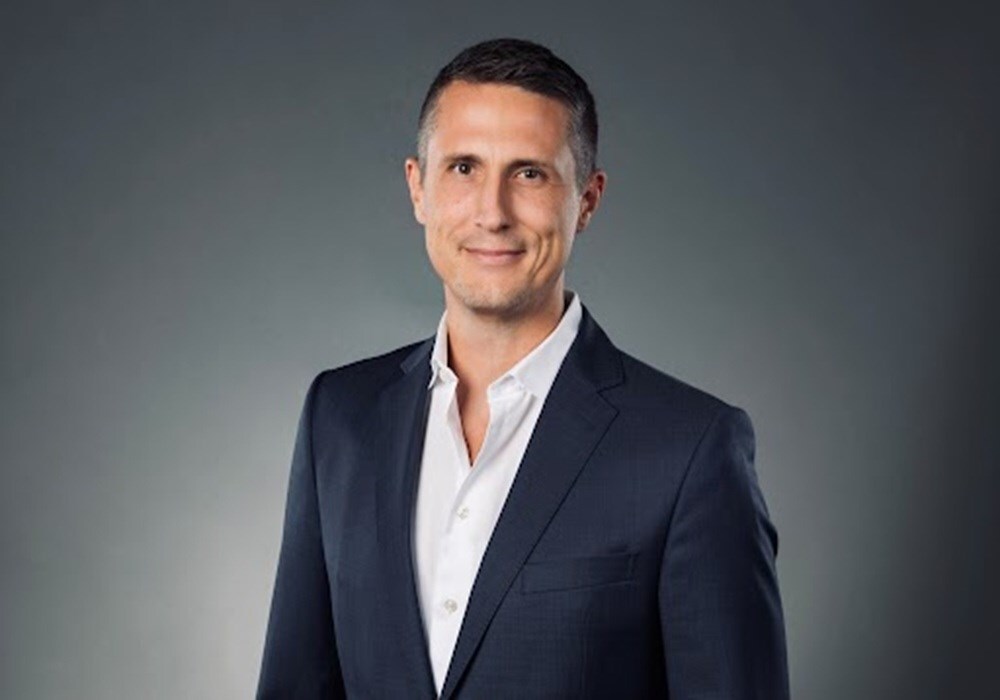
Turkey’s commitment to sustainability is clear. By 2035, it targets 120 GW of renewable capacity, and by 2050, it aims to reduce aluminium’s carbon footprint to 2.5 tonnes of CO₂ per tonne of metal. This goal requires an 80 per cent decarbonisation of the aluminium industry's production and supply chain. This is where RUSAL becomes indispensable because it makes more than 98 per cent of its aluminium by using renewable hydropower and deploying inert anode technology, which completely removes CO2 emissions from the smelting process. Roman Borisov, RUSAL’s Regional Sales Director rightly says, “What matters today is not only how much aluminium we use, but how we produce it.”
At its 2024 Istanbul seminar, RUSAL presented a roadmap for helping Turkey achieve its 2050 targets, introducing its flagship ALLOW, PEFA, and ALLOW INERTA products. RUSAL’s ALLOW is made from renewable hydropower and it enables customers to deliver products with a lower carbon footprint. On the other hand, PEFA or Primary Equivalent Foundry Alloys combines ALLOW aluminium with up to 40 per cent post-consumer scrap, representing circular economy in practice, not just theory. This product is designed for the automotive industry, fully aligned with OEMs’ strategic requirements linked to carbon neutrality commitments. RUSAL had started trial production of PEFA with 20 per cent of aluminium end-of- life scrap in early 2023 and had been gradually increasing the recycled content.
RUSAL’s ALLOW INERTA uses advanced inert anode technology instead of traditional carbon anodes that are consumed during electrolysis. ALLOW INERTA uses anodes made from non-consumable materials like ceramics or metal alloys. The production process of "ALLOW INERTA" has a verified carbon footprint of only 0.01 tonnes of CO2 equivalent per tonne of aluminum (Scope 1 and 2), which is significantly lower than the industry average.
According to Borisov, together these innovations are reshaping the idea of what aluminium can be. It’s no longer just a commodity; it’s a smart, clean material that helps industries grow while protecting the planet. He says, “That’s exactly the kind of progress we want to share with our partners in Turkey and around the world.”
To know the latest market trends across the globe, explore our 50+ industry reports
Economic shifts and aluminium demand dynamics
Turkey’s aluminium demand mirrors the ebbs and flows of its economy. In 2024, in tandem with a muted economic growth of about 3.2 per cent, slowing from 5.1 per cent in 2023, not only did the aluminium imports but Turkey’s net trade remained timid, with exports growing 0.9 per cent and imports falling 4.1 per cent. Soaring inflation at about 58.51 per cent on average was one of the primary reasons behind this economic slowdown. It was only towards the end of the year, when inflation started showing a downward trend from a peak of around 75.81% in April 2024 to 47.1% by November 2024.
Entering December 2024, Turkey’s inflation rate receded to 44.38 per cent, and over the succeeding months, it reduced further to 32.87 per cent by October 2025. By the end of 2025, the inflation forecast is 28.5 per cent by the government and 31-33 per cent by the central bank.
Don't miss out- Buyers are looking for your products on our B2B platform
This economic rebound, coupled with policy-driven sustainability targets, has translated into renewed appetite for low-carbon materials. Turkish manufacturers are increasingly seeking green aluminium to align with both domestic climate goals and European market access requirements under CBAM.
Roman Borisov said, “This is not just about being green; it’s about staying in the game for the long term.”
RUSAL-Turkey ties – Built on trust, proximity, and purpose
Over decades majority of the primary aluminium needed to feed Turkish industry was produced in Russian Siberia, on the shores of Lake Baikal and its rivers, where RUSAL runs one of the world’s cleanest and most sustainable aluminium production bases powered by renewable hydropower.
That long-standing connection became a partnership built on trust. Turkish manufacturers and RUSAL have grown side by side for almost 25 years. Every year, more than 250 of RUSAL’s customers and partners gather at the seminar in Türkiye. It is not just a business event – it feels like a reunion of old friends. As Borisov described, “We share updates, discuss new alloys, and most importantly, listen to what our partners need going forward. Our local 24/7 customer service platform demonstrates our commitment to stability, continuity, and reliable cooperation.”
“What also makes this relationship work is proximity — both geographical and human. Turkey is just a day by sea from Russian ports, which makes our supply chain incredibly efficient. But more importantly, we trust each other. Turkish companies are among the most innovative and entrepreneurial in the region, and we’re proud that our low-carbon aluminium helps them compete in Europe, the Middle East, and beyond. “













_md.webp)
_md.webp)







