RUSAL’s 3D-printed casing installed onto Yarilo satellite operates successfully
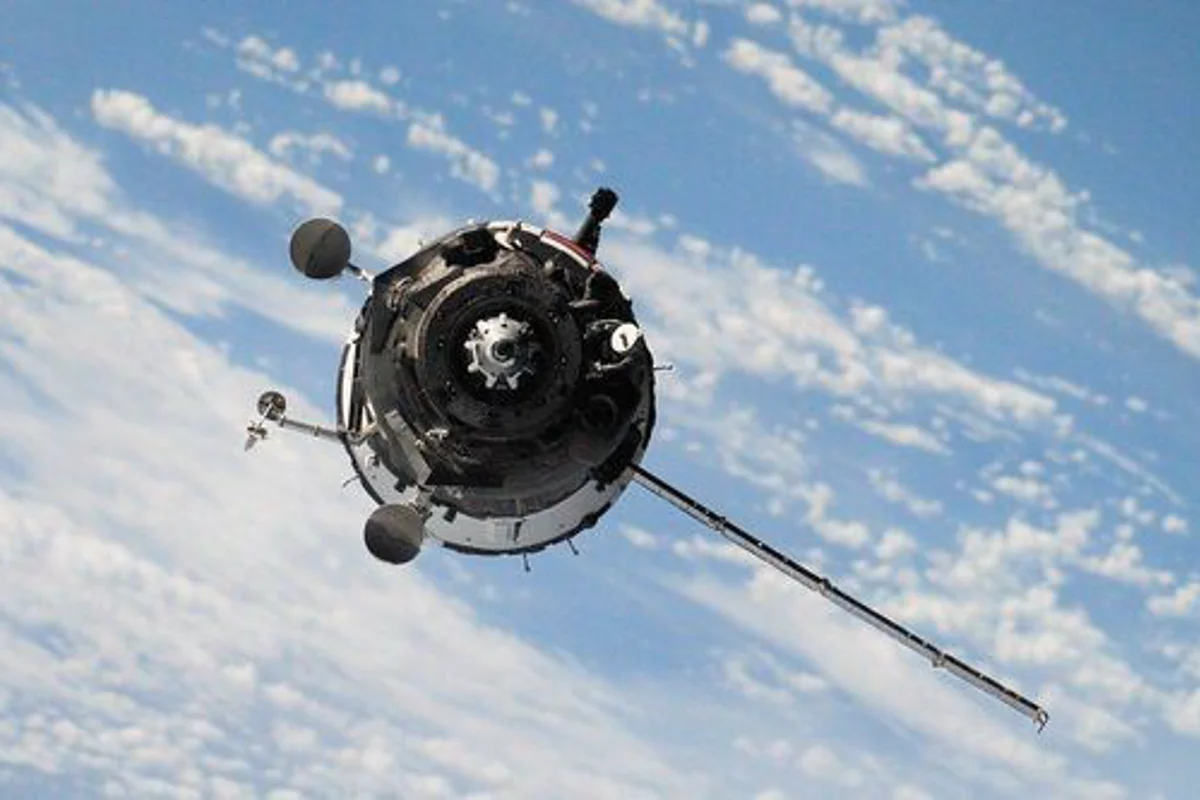
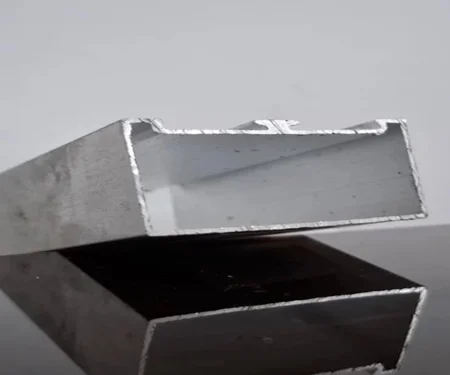
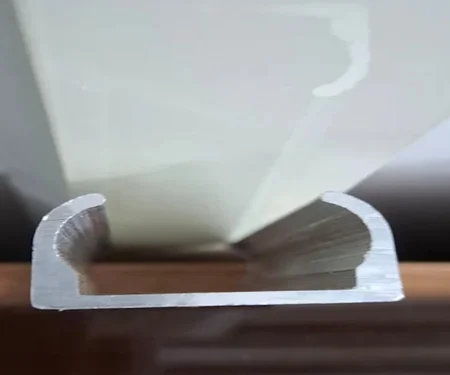
RUSAL declares the successful operation of a 3D-printed casing installed onto Yarilo satellite. The Skolkovo Institute of Science and Technology developed the thermoregulatory casing of the gamma-ray detector, which was produced at the Centre of Additive Technologies based on the Institute of Light Materials and Technologies (ILM&T) from a new aluminium powder alloy developed by the institute's specialists.
The temperature-regulating casing of the gamma-ray detector, produced on a 3D printer, has been installed onto one of the two Yarilo research satellites launched into space in 2020. This is a unique space project for the Bauman Moscow State Technical University in partnership with the Lebedev Physical Institute of the Russian Academy of Sciences and the Institute of Nuclear Physics of Moscow State University. Yarilo satellites’ mission is to explore the sun and weather in space. The detail printed in ILM&T is an important part of the satellite, preventing overheating of the main equipment and ensuring its stable operation.

The new RS-333 aluminium powder alloy developed by specialists of the RUSAL Institute of Light Materials and Technologies was used for 3D printing. The new alloy countered the issue with low technological efficiency when printing with the use of aluminium alloys ligated by magnesium and silicon. These alloys, meanwhile, have good thermal conductivity and high solidity. The design of the part has been specifically optimized for 3D printing by the research team of the Skolkovo Institute of Science and Technology. As shown by ground tests, and then proved by operation in space, the new net structure printed with a new high-heat-conducting alloy through 3D printing allowed a 20% weight reduction with a 25% increase in heat flow, which is the main indicator of the effectiveness of parts involved in thermal regulation.

Victor Mann, Chief Technical Officer, RUSAL, said: "Testing additive technologies in space is a unique opportunity to showcase the prospects and reliability of using aluminium alloys and 3D printing in creating such an important node, on which the stable functioning of the entire unit depends. We are confident that this experience will be useful not only for expanding the implementation of 3D-printed parts in scientific research, but also for practical application in numerous high-tech industries such as automotive, computer manufacturing, home appliances, and mechanical engineering.”

In 2017, ILM&T was founded by RUSAL. The primary objective of the Institute is to develop, innovate and launch new varieties of aluminium-based products and materials into the market.
Papua New Guinea’s import of Aluminium Cans during 2018-19 displays de-growth; 2020 import reflects marginal growth
Next articleArmenia’s import of Aluminium Wire during 2019-20 reflects upswing; 15.81% de-growth expected in 2021
Grow with
AL Circle