RUSAL to divert aluminium from China to Japan as premiums surge amid Gulf supply crunch
Russia-based RUSAL, a leading global aluminium producer, is planning to divert a part of its aluminium shipments originally intended for China to Japan and other Asian customer bases, as reported by Reuters. The update is revealed by the sources amid the ongoing geopolitical tensions that are actively redrawing the trade supply chain map and contributing to the skyrocketing premiums.
Explore- Most accurate data to drive business decisions with Global ALuminium Industry Outlook 2026 across the value chain
Aluminium premiums surge and outlook revision by eminent organisations like Goldman Sachs indicate a massive supply crunch and shifting trade flows due to the Middle East conflict, which led to the closure of a key global trade corridor, i.e., the Strait of Hormuz.
The criticalities were further aggravated by the Iranian strikes dated March 28 on the Gulf sites of Emirates Global Aluminium (EGA) and Aluminium Bahrain (Alba). Where does that bring the aluminium sourcing and resourcing graph?
Japan’s import partners
According to Trade Data Monitor, in 2025, the Middle Eastern Gulf region exported about 9 per cent or 7 million tonnes (approx.) of aluminium to the global market.
Japan, accounting for the lion’s share of 400,000 tonnes from this amount, sourced 21 per cent of its imported aluminium from the United Arab Emirates (UAE). Its next import partner was China, which shipped 143,000 tonnes to the nation. Russia, however, had exported only 68,000 tonnes to Japan.
For the April-June quarter, Japanese aluminium buyers agreed to the pay a USD 350 per tonne premium, an additional amount to be paid over the current London Metal Exchange (LME) benchmark aluminium price. This reflected an eleven-year high, thereby setting a strong regional standard for the global market.
The recent surge is not limited to Japan. Other regions have been facing even steeper increases. For instance, the European premiums are touching almost USD 600 per tonne, the highest since mid-2022 and the US Midwest premiums have surpassed USD 2,500 per tonne, marking a record high.
The sharp rise underlines the tightened trade flow and increased competition over the available primary aluminium, intensifying pressure on regional supply-demand balances.
Don't miss out- Buyers are looking for your products on our B2B platform
RUSAL expected to redirect supply
Amid these shifts, RUSAL, the largest aluminium producer in Russia, would likely adjust its export strategy. As Chinese buyers push back against higher import costs from Japanese premiums, shipments to China, averaging 170,000 to 180,000 tonnes per month from October to February, are likely to decline in the coming months.
“This is unavoidable if the arbitrage remains at the current level,” stated a source with direct knowledge. Instead, RUSAL is said to be exploring alternative markets, including increased sales to South Korea.
The company, however, has not yet made any official statement.
China dynamics weigh on imports
China’s domestic market is playing a major role in reshaping trade patterns.
Despite global price volatility, domestic aluminium prices in China have risen more moderately, unlike international benchmarks. This has made locally produced aluminium more competitive than imported material priced at elevated premiums.
Concurrently, adequate supply and weaker demand conditions have resulted in increasing inventories, with stocks on the Shanghai Futures Exchange reaching a six-year high. China accounts for around 60 per cent of global aluminium production, further grounding its influence on global pricing dynamics.
The divergence between global and Chinese prices is challenging producers and traders. For exporters like RUSAL, this indicates a recalibration of sales strategies to optimise margins across regions with different pricing.
Trading aluminium across borders? Find out the exact cost you need to bear for the embedded carbon in the product by using this CBAM calculator.

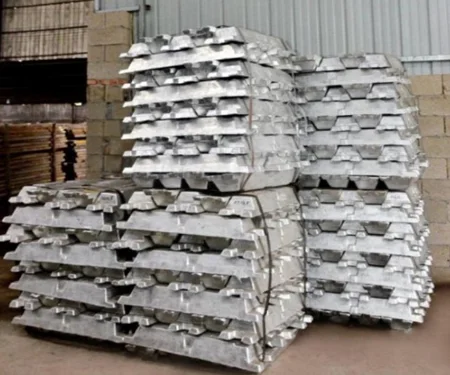
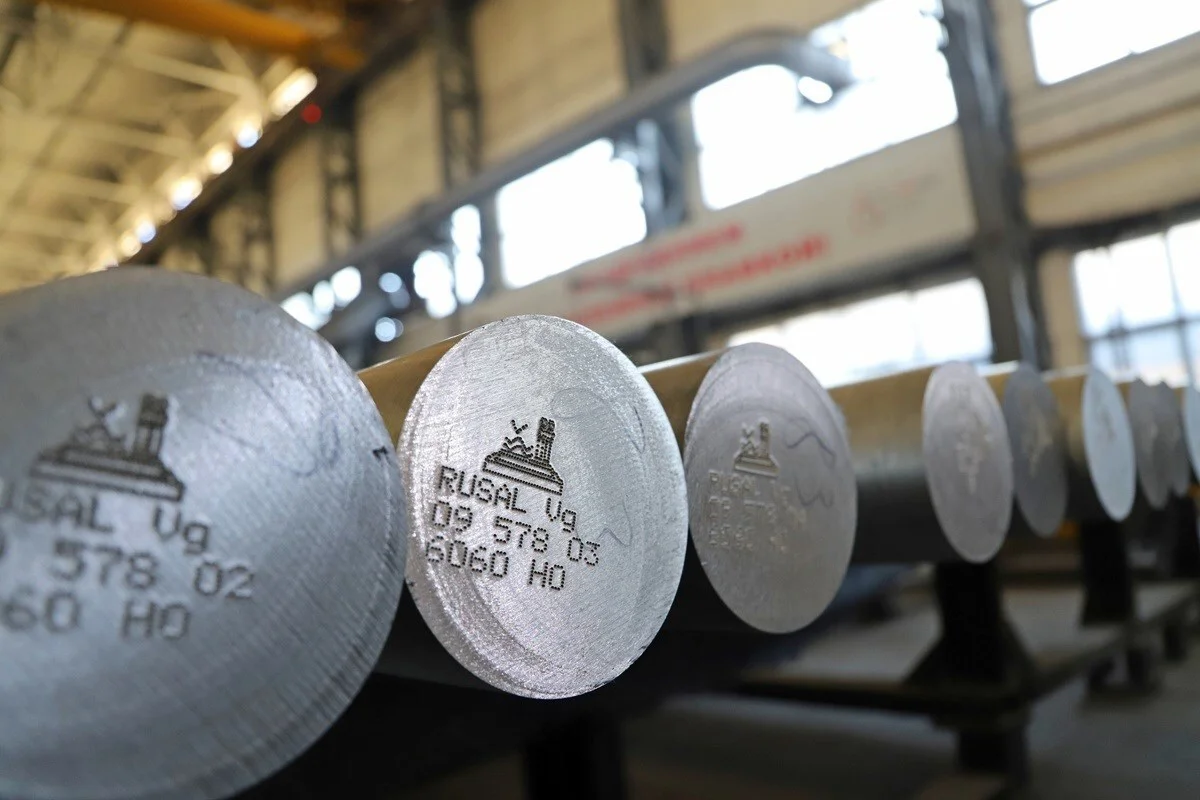
Image for referential purposes only (source: RUSAL official website)
Middle East aluminium attacks have a limited impact on China's prebaked anode exports
Next articleRio Tinto, Century Aluminium lift US billet premiums by 12% amid supply crunch
Grow with
AL Circle