Rio Tinto remains serene while the energy crisis keeps local smelters afloat
Mining king Rio Tinto has signalled that they will be joining hands with the Queensland government to look for clean energy for their Boyne aluminium smelter, as Australian manufacturers are gaining a lot due to the crisis in global energy prices which is urging smelters in Europe and Asia to cut productions.
Aluminium prices soared to a 13-year high on Monday, fuelled by fears that rising electricity costs will drive more smelters in China, India, and Europe to reduce output, resulting in a shortage of the lightweight metal.
While power prices in Queensland have risen in recent months as a result of an explosion at the Callide power station, Australian smelters benefited from extremely low power prices at the beginning of the year. Apart from this, four Australian smelters of Rio highlighted a rare $US174 million underlying profit for the six months to June 30.
The profit was remuneration for Rio's shift of attitude toward the local smelters, which looked to be on the verge of collapse in 2019 when previous CEO Jean-Sebastien Jacques stated they were on "thin ice" due to their high costs and carbon-intensive power supply.
The smelters in Tasmania, Queensland, New Zealand, New South Wales (NSW), is expected to remain on the border line for the foreseeable future. On the other hand, Rio has stated that it is committed to “repowering” them, as a part of their effort to rebuild their relationship with Australia following the destruction of the Juukan George.
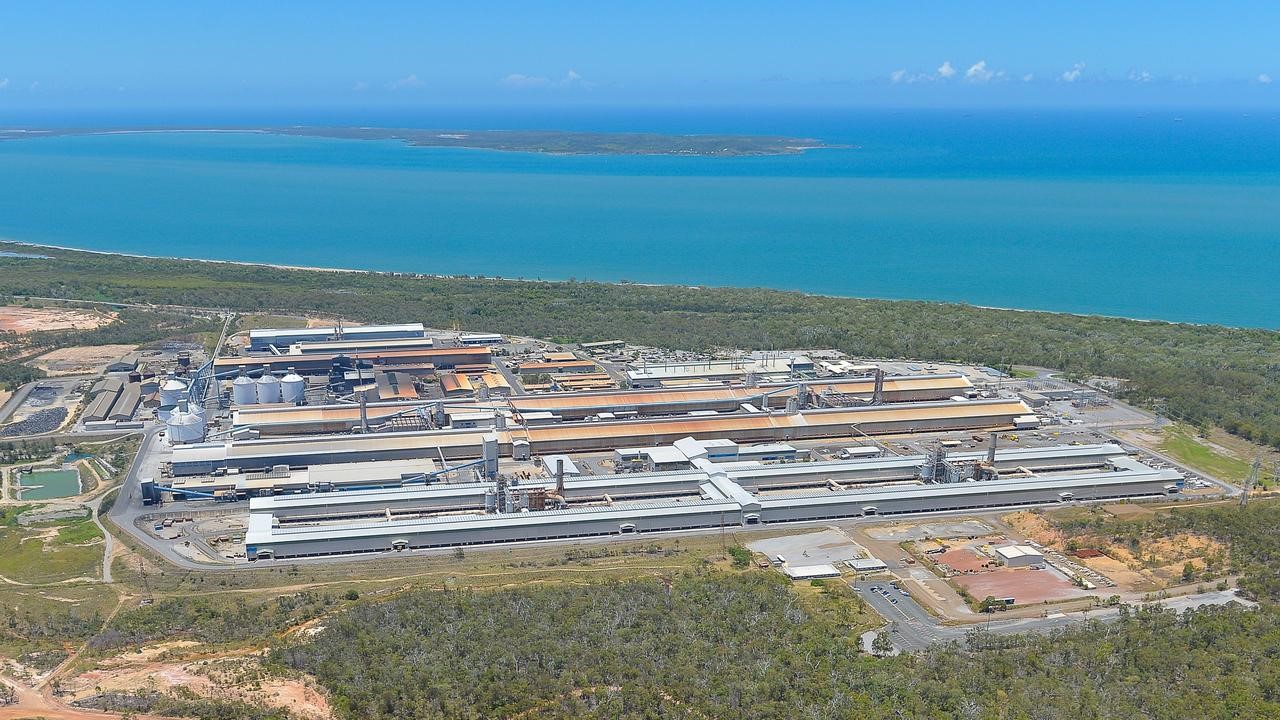
On Tuesday, Ivan Vella, Rio's new aluminium boss, signed a "statement of cooperation" with Queensland Premier Annastacia Palaszczuk. The signed document did not confine Rio to any particular actions, but was instead a symbolic commitment to using their heft as a major power consumer to help catalyse new clean energy projects in Central Queensland.
“Transitioning to a low carbon economy presents a real opportunity for industrial regions if stakeholders are willing to both think differently and collaborate,” said Ivan Vella.
“As Queensland’s largest energy user and a major Gladstone employer and manufacturer, Rio Tinto is uniquely positioned to work with the Queensland Government to deliver this vision,” added Mr. Vella.
Although Rio owns 42.1 percent of the coal-fired power station in Gladstone, they can also join the clean energy projects in the region under the new strategy.
“We have been in the region for more than 50 years, and we share the state government’s goals for decarbonisation, job creation and a vibrant industrial future for the region,” added Mr Vella.
“We are working closely with the Queensland government on the role we can play by underwriting long-term green off-take for our industrial assets. This should help create the industrial demand needed to develop a globally competitive green energy solution and lead to more processing and manufacturing in Central Queensland,” says Ivan Vella.
The pact was announced few days after opponent miner Fortescue promised US$144 million for the green energy manufacturing facility in Gladstone. This facility is expected to come up with electrolysers which can separate hydrogen and oxygen atoms in water.
The pact also came after the independent management at the Tomago smelter in New South Wales announced their willingness to be mostly powered by renewables by 2029. Rio owns 52 percent of Tomago smelter.
The main reason behind Rio’s patient approach is high power prices which poses as a threat to throw out rivals in other parts of the world
Rio’s patient approach comes increased power prices threatens to put competitors in other areas of the world out of business, with Aldel, a Dutch company pledging to cut aluminium production by 70 percent until early 2022.
When Aldel was operating at full capacity, Morgan Stanley analyst Amy Sergeant predicted that Aldel provided roughly 2 percent of the European aluminium production.
“Headlines continue to point to a tightening aluminium market into year-end,” added Amy Sergeant, in a note to clients.
According to Morgan Stanley, power restriction has already prompted some Chinese smelters to cut production. The province of Qinghai, which is known for producing 4 percent of the global aluminium, is poised to follow suit in the following weeks and decrease output on the back of power rationing.
Morgan Stanley stated that India, which generated approximately 6 percent of the global aluminium supplies, may also be forced to shut down their smelters due to shortage of coal.

In both 2019 and 2020, the average aluminium price on the London Metals Exchange (LME) was recorded between US$1,700 and US$1,800 per tonne, which was more than US$3,000 per tonne on Monday evening’s trading session in London.
LME partners with Metalshub to develop digital metals spot market aiming ‘Green’ Aluminum
Next articleAZ China consultancy joining both ends of the world in a unique virtual conference about the future of aluminium
Grow with
AL Circle