Reimplementation of 10% tariffs on Canada’s unalloyed aluminium exports would be a wrong move by US: Kirsten Hillman

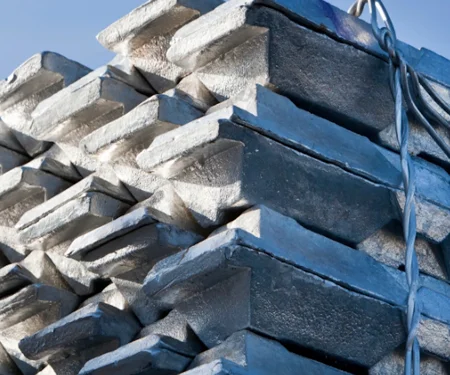
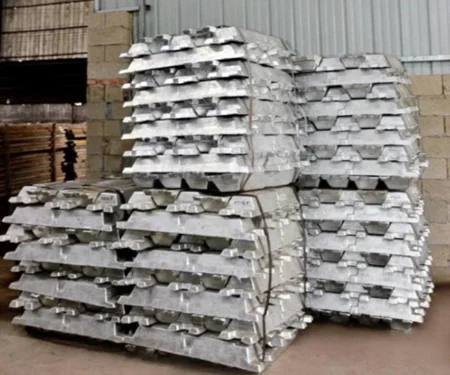
Canada suggests the United States be patient about determining whether to reimpose aluminium tariffs. In response to the United States’ allegations that the raw aluminium exports from Canada to the US have surged ever since the tariffs were lifted in May 2019, Canadian Ambassador Kirsten Hillman said there was an increase in the production of unalloyed or raw aluminium as producers were asked to shift their production from value-added products to primary aluminium amid a drop in aluminium alloy demand due to the COVID-19 pandemic.
Hillman believes the demand will rebounce as the auto industry and other manufacturing sectors will come back online. According to her, the situation will rectify itself in the coming months.
“Let’s take a little time to see how this settles out and make sure that this trade is following the normal patterns that one would expect in a time like this,” Hillman said on Wednesday, July 15, in a telephone interview. “If tariffs are imposed we’ll have very few options other than to respond with duties on US imports. There’s no decision yet on how we would respond.”
Trade Representative Robert Lighthizer and some US producers complained that raw aluminium imports from Canada jumped. Echoing the same accusation, the US Aluminum Association, which represents Alcoa, Rio Tinto Group, and dozens of other aluminum-parts makers, noted that the imports surged to the level prior to the implementation of the Trump administration’s Section 232 tariffs.

In regards to this, Alcoa told investors in April that it shifted 20 per cent of its value-added production to raw aluminium as the former is not as easy to store as the latter and also to prevent having to shut down the smelter capacity, which is an expensive affair.
Hillman said the reimplementation of tariffs would be a wrong move during this economic downturn, especially now that the United States-Mexico-Canada Agreement has come into force.
“The very last thing the US manufacturing sector needs as it’s seeking to recover from this economic downturn is additional taxes on manufacturing imports,” Hillman said. “It’s going in the wrong direction.”
COVID-19 impacts: Rio Tinto’s Q2 aluminium production declined to 0.8 million tonnes due to the curtailment of the fourth pot line at NZAS
Next articleHindalco cuts its aluminium ingot and product prices by INR2250/t with effect from July 17
Grow with
AL Circle