Rare earth magnet demand set to rise 30% by 2030 as EV adoption accelerates
Global demand for rare earth magnets is poised for strong growth, driven by rapid electrification and clean energy expansion. According to the latest report by the International Energy Agency (IEA), “Rare Earth Elements: Pathways to Secure and Diversified Supply Chains,” having doubled since 2015, demand for rare earth magnets under current policies is expected to rise by 30 per cent by 2030.
Explore- Most accurate data to drive business decisions with Global ALuminium Industry Outlook 2026 across the value chain
Permanent magnets are increasingly gaining prominence as the most critical application for rare earth elements, covering almost 95 per cent of total consumption by value. The IEA report regards the increased use of permanent magnets in electric vehicles (EVs), advanced industrial technologies, and wind energy systems as contributing factors to the demand surge.
Neodymium-iron-boron (NdFeB) magnets, composed of neodymium and praseodymium and known for their high strength and efficiency, are crucial contributors to performance enhancement.
Technology and EVs emerge as demand drivers
Compared to conventional technologies, electric motors and generators using rare earth magnets can deliver energy savings of 20-40 per cent.
In wind turbines, permanent magnets remove the gearbox requirement, improving reliability and reducing maintenance. They also enhance motor efficiency in EVs, thereby reducing dependence on additional battery materials.
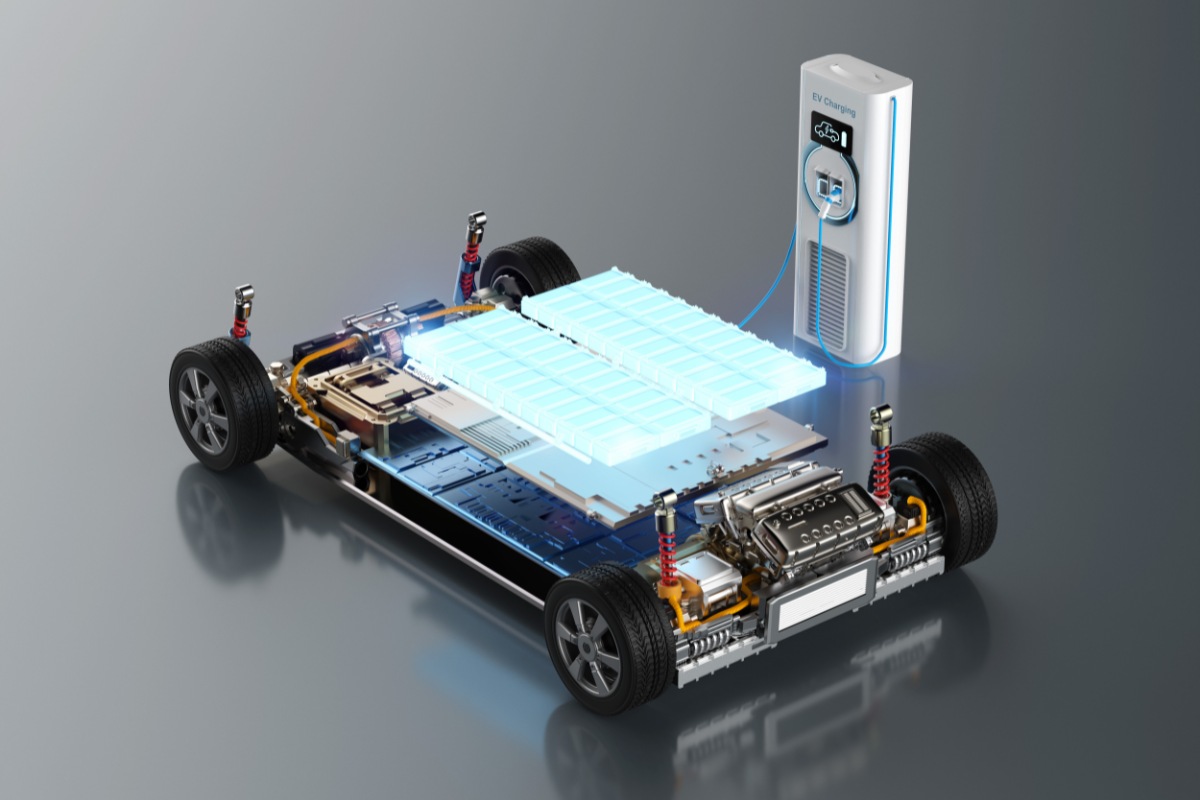
EVs are substantially contributing to the rising rare earth demand. Global EV sales have surged at an average annual rate of 50 per cent between 2014 and 2024, rising from around 300,000 units to over 17 million units.
Consequently, EVs’ share in rare earth magnet demand has now soared from below 1 per cent in 2015 to around 9 per cent, projected to double to 18 per cent by 2030.
Beyond energy, rare earth magnet applications are reaching industrial automation, robotics, household appliances, aerospace, defence, and AI-driven data centres.
The overall rare earth magnet demand is expected to exceed 120 thousand tonnes by 2030 and reach 175 thousand tonnes by 2050, marking a growth of over 90 per cent under existing policy trajectories.
Don't miss out- Buyers are looking for your products on our B2B platform
Supply chain concentration raises concerns
Supply chain concentration, despite a demand surge, concerns the industry. China leads in rare earth magnet production, especially the NdFeB magnets used in EVs and wind turbines.
Its share in sintered magnet production has spiked from 50 per cent (approx.) two decades ago to nearly 94 per cent at present, while bonded magnet production stands at about 80 per cent.
This concentration is an obstacle to supply diversification, as other regions attempt to gain competitiveness in the EV, AI-tech and wind energy markets.
Recycling emerges as a key opportunity
The IEA estimates that recycling could reduce primary rare earth demand by up to 35 per cent by 2050. At present, most secondary supply, concentrated in China, comes from manufacturing scrap.
However, end-of-life materials are seeing volume growth from EV motors, electronic waste, and wind turbines, and creating new opportunities globally. Europe is projected to generate a considerable share of magnet scrap globally by 2030, particularly from wind and EV sectors.
That said, demand growth remains surrounded by uncertainty, challenging supply chain expansion. The IEA notes that limited scope for sourcing diversification and uneven regional demand growth may compromise the project momentum.
A more balanced expansion of supply as well as demand ecosystems is essential for rare earth value chain diversification and resilience.
Must read: Key industry individuals share their thoughts on the trending topics

Image for referential purposes only
Moggaro’s aluminium hybrid dive boat wins award for design and performance
Next articleAther trims aluminium use as cost surge tests EV margins
Grow with
AL Circle