Public input invited for cleanup as Alcoa continues demolition of Intalco aluminium smelter
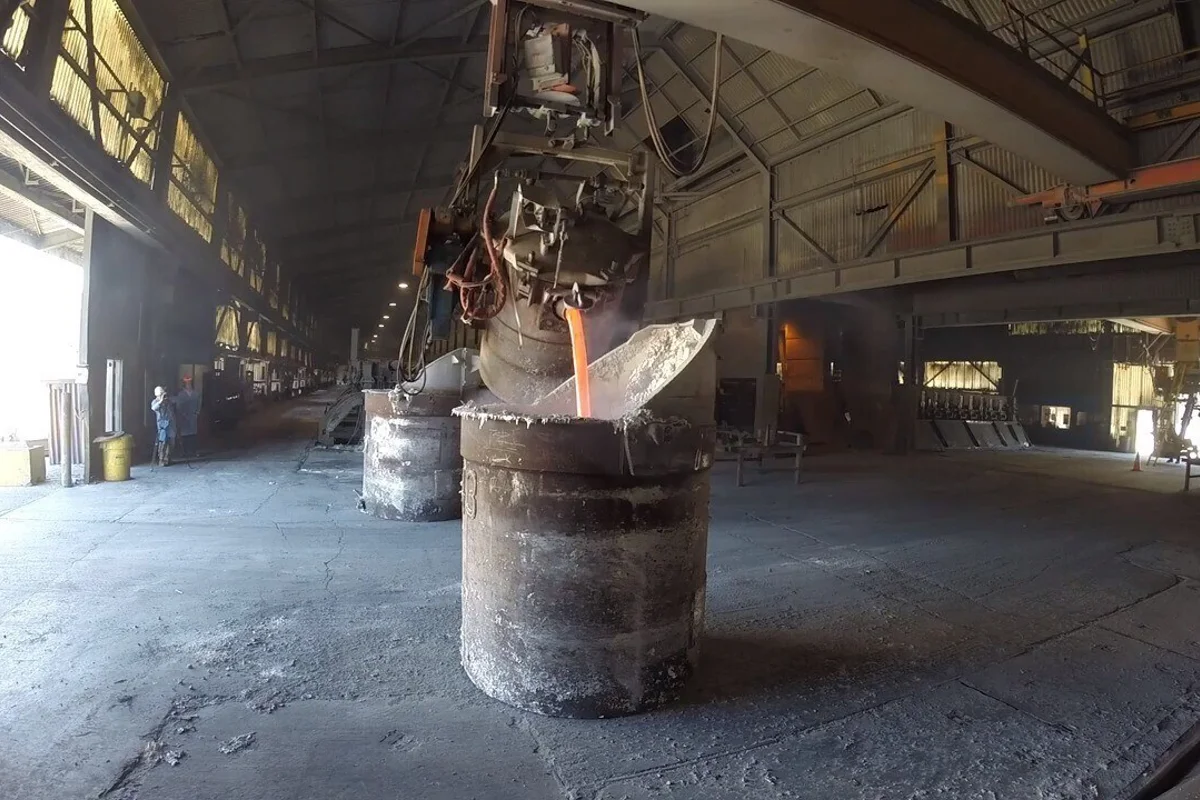
Alcoa and the Washington State Department of Ecology are currently expecting public feedback on the cleanup of the Intalco aluminium smelter located in Ferndale, Washington.
Alcoa has started demolishing the large smelter facility, marking the end of any possibility of restarting aluminium production at the site and restoring the union jobs that were lost when the plant closed in 2020.
For the global aluminium value-chain 2026 outlook, book our exclusive report “Global ALuminium Industry Outlook 2026"
The demolition of the Intalco smelter is a closure for the end of an important industrial period in the Pacific Northwest. It was the last operating aluminium smelter among the ten factories that once functioned across the region.
The demolition began in the previous year, and Alcoa now confirms about 45 per cent completion of the work. Meanwhile, the Department of Ecology has released a draft cleanup plan for the site and will hold an online webinar and public hearing on April 8, with written public comments accepted until April 15.
The aluminium industry in the region expanded during the 1940s because of the availability of low-cost electricity from federal dams along the Columbia River. However, as electricity prices increased over time, the industry began to decline, eventually shutting down smelters. The Ferndale smelter, which opened in 1966, was among the last facilities built and also the final one to close in the region.
The closure of the Intalco smelter in 2020 was mainly due to falling metal prices and the high cost required to modernise the plant’s equipment. In 2023, Alcoa announced plans to sell the site to AltaGas, a Canadian energy infrastructure company. But much of the property remains under Alcoa’s control until demolition and environmental cleanup activities are completed.
Don't miss out- Buyers are looking for your products on our B2B platform
Environmental investigations are continuing to examine contamination from earlier industrial operations, including possible soil pollution and the presence of fluorides in groundwater. The future use of the site has not yet been decided, but options such as green hydrogen production or other renewable energy projects are being considered. Local authorities and community stakeholders are expected to continue monitoring the cleanup and redevelopment process as it progresses.

Hindalco shares surge nearly 7% as aluminium prices rise amid Middle East supply disruptions
Next articleAMAG announces CEO transition as Helmut Kaufmann withdraws and Victor Breguncci enters
Grow with
AL Circle