tech.blorge.com
Phinergy introduces aluminium-air battery that can power an EV for 1,000 miles
Edited by : AL CIRCLE
3 min read
Most electric vehicles and hybrids utilize lithium ion, lithium polymer, or nickel metal hydride batteries. There are inefficiencies in all of them. Most EVs have a range of only 100 miles. Hybrids usually can achieve electric only distances of about 30 miles. Those numbers have greatly limited the market for these zero and low emission cars. Phinergy’s metal-air batteries might just change that.
Phys.org, an Israeli battery company called Phinergy ,has developed a new type of aluminum-air battery that would be able to fuel an electric vehicle for 1,000 miles. With that range, EVs are looking a lot more attractive especially for people who travel a great deal either for pleasure or business. Cars using these batteries would produce no carbon emissions helping the environment.
Most car batteries are heavy because of the materials necessary for them to work. Phinergy’s batteries are much lighter in part because one of the key components is simply air making the battery much lighter.
Batteries have three parts, an anode, a cathode and electrolyte. Ions traveling between the anodes to the cathode create electricity. The Phinergy battery anode is aluminum, an abundant and high energy metal. The cathode is air, also very abundant and free. The electrolyte is water.
Metal-air batteries have been researched for years but have been hampered by a short lifespan because of oxidation of the metal due to carbon dioxide infiltration. Phinergy’s “breakthrough” technology prevents carbon dioxide from entering the system tremendously increasing the lifespan of these batteries and potentially increasing the range of EVs and the efficiency of hybrids.
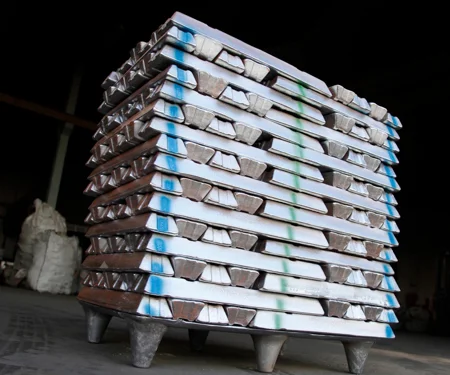
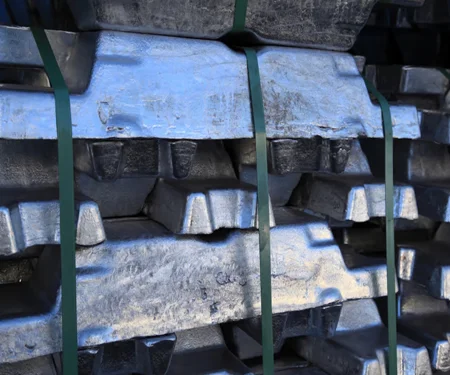
Aluminum is a high energy density metal which is why the company uses it in the batteries. Each aluminum plate is reported to hold enough energy to drive an EV 20 miles. Each battery is composed of 50 plates meaning that EVs can travel 1,000 miles without a charge. The battery does need a water refill every 200 miles.
The only downside is that once the energy in the aluminum plates is exhausted, the plates have to be replaced. The good news is that aluminum is recyclable. The company can utilize battery swap technology similar to that used by Better Place in Israel. With a system that could swap out the battery in the time it takes to fill up your tank in a gas station, the metal-air technology should be the preferred power source for most EV and hybrid manufacturers. Vyagers calculated the cost of replacing the aluminum-air battery to be close to $50 per 1,000 miles which really isn’t too expensive considering that filling up most tanks to go one fourth to one third that far costs about $35 for a compact car.
The company thinks that this technology will be utilized in automobiles by 2017. That must mean that testing is going well. As we all know, great research results must be able to translate into scalable manufacturing, enthusiastic manufacturers and good marketing.
Previous article
Rusal to set up separate company for aluminum rod production
Next articleDell to unveil its latest consumer tablet at April's GITEX Shopper
Grow with
AL Circle