您想继续阅读英文文章还
是切换到中文?
是切换到中文?

THINK ALUMINIUM THINK AL CIRCLE

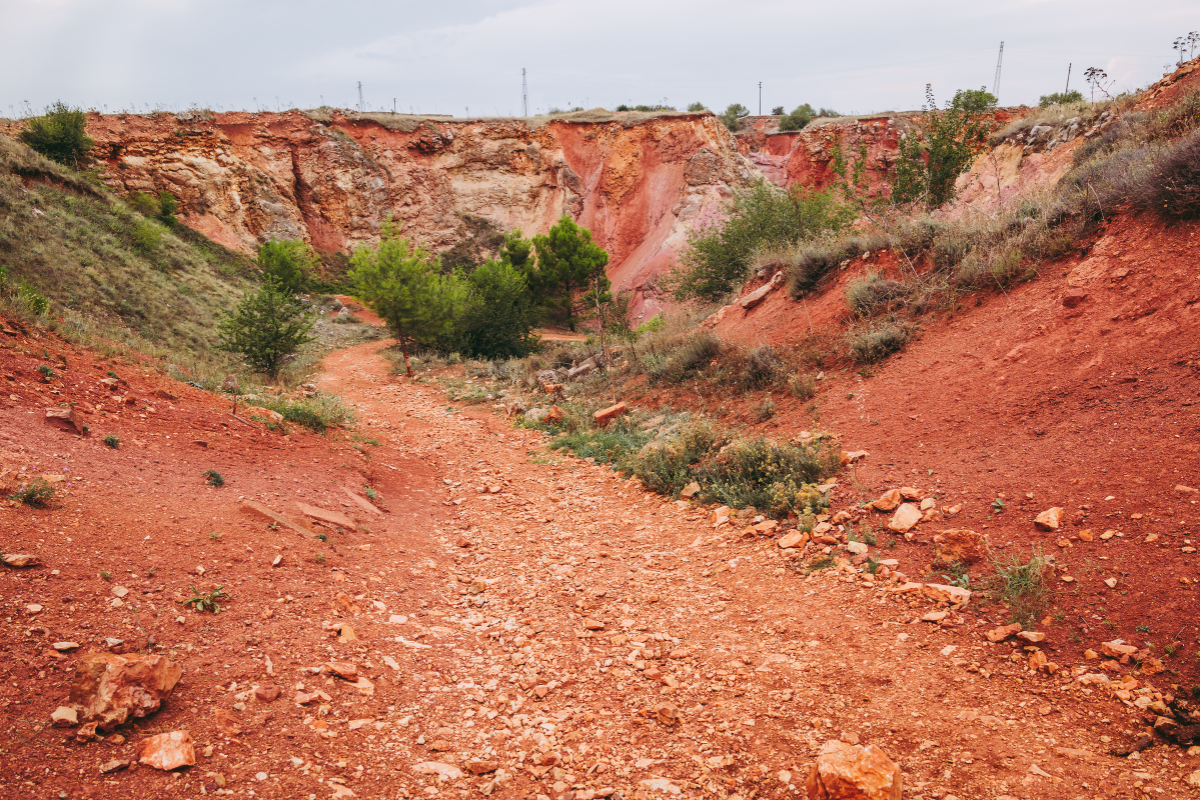
The image used in this article is a stock image for referential purposes only.
The ongoing geopolitical tensions, especially with the closure of the Strait of Hormuz, are deemed to be creating an adverse impact on Jamaica's bauxite and alumina sector. As warned by the Jamaica Bauxite Institute (JBI), the country is now grappling with increased production costs and a feeding inflationary pressures.
{alcircleadd}Geographically, irrespective of being far from the Middle East, Jamaica is said to be closely linked in the global markets. The disruption in the Strait of Hormuz shows that if the energy flow is threatened, the effect is felt by every region, including the petrol price and the industrial production.
It is said that almost one-fifth of the global oil passes via the Strait of Hormuz, which borders Iran. Moreover, escalated geopolitical tension is forcing the tankers to reroute, especially with the increased insurance premiums, and energy markets are facing conflicted pricing.
Energy-linked costs weigh on Jamaica’s bauxite and alumina sector
Given the rising cost of global oil and gas, Jamaica, which is highly reliant on the important fuel to sustain itself, are facing expenses that directly influence production costs. As warned by the institute, this pressure is worsened by the industry's dependence on caustic soda, another crucial ingredient whose price often mirrors global energy costs.
Also read: Bauxite supply shifts by 2036 as Guinea rises, China depends and new projects reshape global trade
Additionally, the freight rates and marine insurance premiums have also increased due to plummeting geopolitical risks that make transporting raw materials and finished products more expensive. This results in climbing production costs irrespective of having a steady demand.
Referring to the latest export data, it reveals that the alumina exports reached, as per JBI statistics, 374,266 tonnes in the September quarter of 2025, which is a 5.3 per cent drop from the last quarter but still 13 per cent higher compared to the same time last year.
In 2024, the bauxite and alumina sector earned USD 760 million, which is a third more than in 2023, as reported by the Planning Institute of Jamaica. Between the 1970s and 1980s, Jamaica was deemed one of the top bauxite producers in the world, and while its output has since decreased as a portion of the economy, the industry continues to be a cornerstone of the island's manufacturing sector and a vital source of foreign exchange.
Price upside offering conditional relief
For the sector, the energy shocks are not uniformly negative, as stated by the institute. Moreover, if the global energy continues to rise, it may lead to higher prices for aluminium and alumina within the international boundaries, as producers globally are faced with similar challenges. In some cases, stronger selling prices can help balance out the increase in production costs.
Must read: Key industry individuals share their thoughts on the trending topics
However, the complete impact actually depends on how quickly the market can stabilise and how long the disruption lasts. This is a concern since this is a protracted conflict, which is creating continued pressure on Gulf shipping lanes. As a result, this could cut down the profit margin over time and on the other hand, any price adjustment would require significant time to filter out.
Affecting Jamaica's inflation
The concern goes beyond the refinery gate as the higher energy prices result in higher electricity costs as well as heightened transportation costs, which are reflected in the Jamaican economy. As per the institute, there are still some untouched sectors, which makes the disruption in the Strait of Hormuz a macroeconomic concern.
The benchmark interest rate would be fixed at 5.5 per cent as decided by the Bank of Jamaica. The bank pointed out that the heightened uncertainty stemming from the conflict in the Middle East is affecting global commodity prices, especially for oil and liquefied natural gas. Additionally, the central bank also issued a warning that the domestic inflation, which in February was at 3.9 per cent, may cross the target range of 4 to 6 per cent as the year goes on.
Don’t miss out- Buyers are looking for your products on our B2B platform
A deeper structural vulnerability
According to the institute, the current situation is not just a temporary challenge; instead, it reflects a deeper structural vulnerability, which came into being before the conflict and tension started.
Moreover, it would not be possible for the country to continue being vulnerable to the rising energy cost and it is now looking for strategies for attaining more reliable energy sources. Within this strategy, liquefied natural gas, greater investments in renewables and improvements for energy efficiency, especially in the alumina-refining sector.
Besides this, the institute also highlighted that for energy-heavy industries like alumina refining, staying competitive will depend not just on market prices but also on how well energy risks are managed.
Concerning this, in the last month, the country bid for investors, which shall aid in developing and running 220 megawatts of renewable energy capacity, with storage, marking it as a part of the government's goal to generate half of its electricity from renewable sources by 2030.
Concurrently, there are many countries that are adjusting to the crisis by turning to coal for immediate need, while others are tapping into oil reserves. Apart from this, many government bodies are also trying to locate and access different routes to keep the supply chain flowing.
Trading aluminium across borders? Find out the exact cost you need to bear for the embedded carbon in the product by using this CBAM calculator.
_0_0.png)
Responses


A proud
ASI member
AL Circle Private Limited | CIN: U72200WB2017PTC221175
Registered Office: Ecospace Business Park, Block 3A, Unit 401A, New Town, Rajarhat, Kolkata, WB 700160
Corporate Office: Ecospace Business Park, Block 3A, Unit 401A, New Town, Rajarhat, Kolkata, WB 700160
© 2026 AL Circle. All rights reserved. AL Circle is not responsible for content from external sources.