Odisha’s Maliparbat bauxite mines gain public resistance ahead of the hearing for environmental clearance
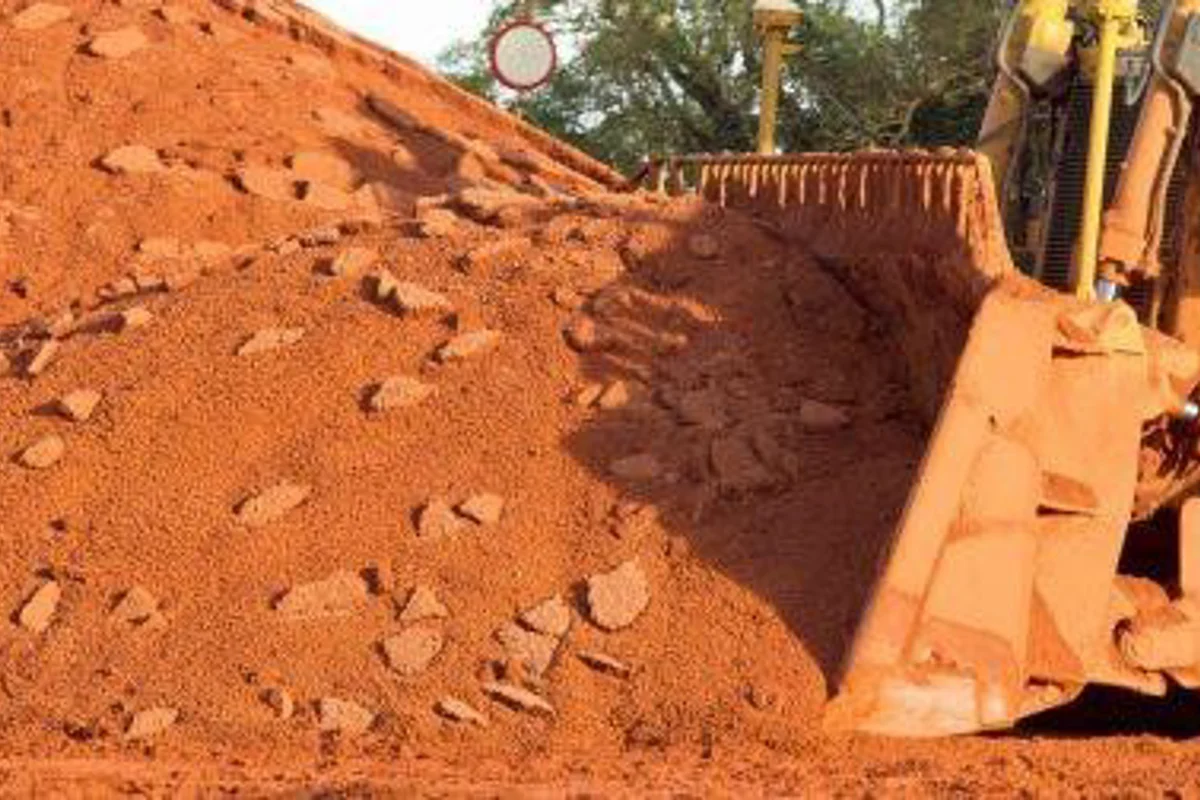
The Maliparbat bauxite mines in Koraput district of India’s eastern state Odisha gains public resistance with ethnics as well as the activists from across the whole district compounding their stake ahead of the public hearing for environment clearance on 22nd September by the Odisha State Pollution Control Board (OSPCB).
On 10th September 2021, hundreds of people from three village councils (Panchayat) of Semiliguda block participated in a protest meeting called to resist renewed operations at Maliparbat mines.
Under the banner of Maliparbat Surakhya Samiti (MPSS), the organisation resisting Hindalco Group’s efforts as it seeks a fresh lease to resume bauxite mining, the agitators assembled. However, the public hearing by OSPCB will be held at Kankadaamba village.
The ethnics proclaimed that the restart of the bauxite mining operation would affect around 42 villages under Sorishapodar, Dalaiguda and Pakhajhola village councils.
The sources of water from around 32 perennial streams and four canals in Maliparbat that cater to their farmlands would be diminished as a result of mining from the hills, sceptically affecting their livelihoods.
Maliparbat mine spread over 270 acres and 40 km from Koraput at Doliamba village in 2006 was leased to Hindalco, but it failed to carry out operations due to stringent resistance from the ethnics, ensuing in the expiry of the lease terms.
In 2012, bauxite mining restarted for a short period, though it had to be ceased as transportation of minerals was opposed by protestors.

Lingraj Azad, an activist, while addressing the meeting pleaded to the ethnics not to be influenced by the assurances of the corporate houses.
Azad further added: “Instances of a South Indian company contracted for excavation and transportation of bauxite trying to influence poor ethnics through money have come to the fore. Government must prioritise ecology over the economy in a bid to preserve the natural resources.”
Bauxite Weekly Recap: World's largest bauxite exporter Guinea’s mutinous military unit seizes power, suspends constitution; Coup in Guinea shifts bauxite price to 18-month high
Next articleCoup in Guinea drives China’s multi-billion-dollar trade and investment scheme ‘The Belt and Road Initiative’ to more complexity
Grow with
AL Circle