Odisha’s bauxite potential comes into focus with IIT Bhubaneswar’s satellite-led exploration
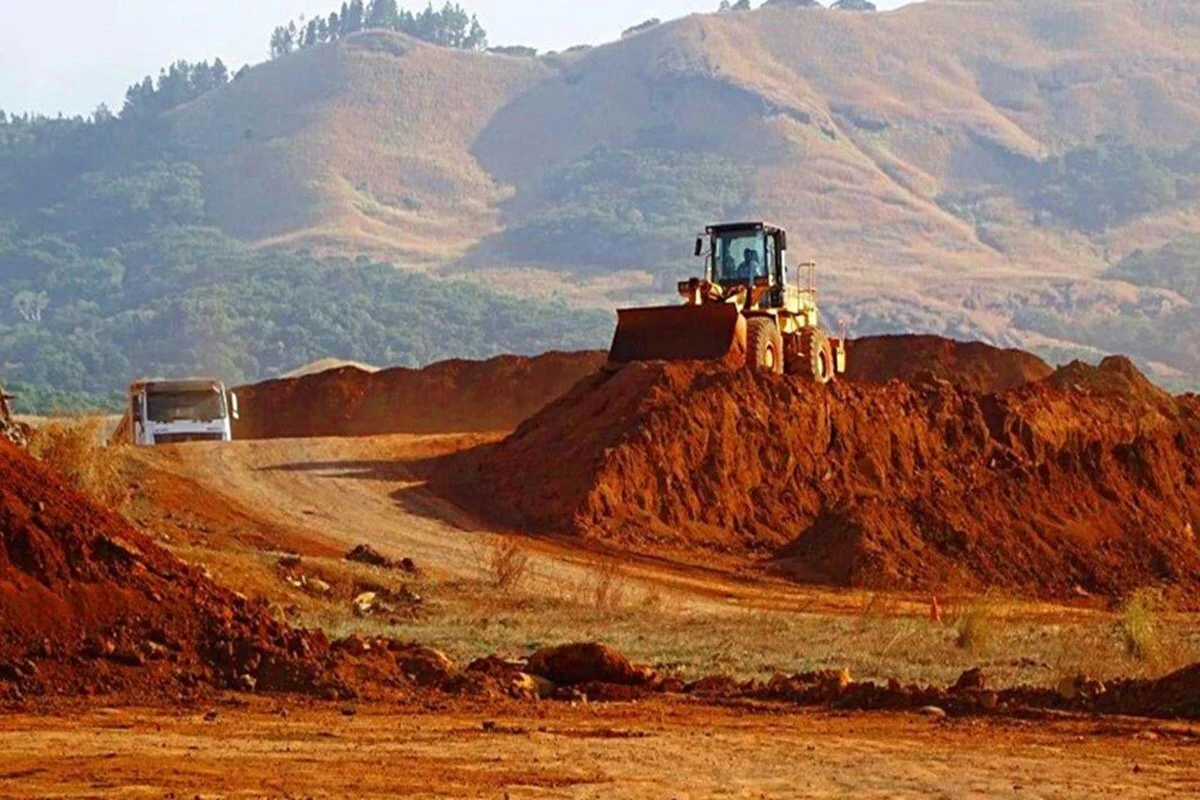
IIT Bhubaneswar has reportedly innovated a satellite-enabled method to map potential bauxite deposits across Odisha, a state that holds more than half of the country’s known reserves of the mineral. According to the Indian Institute of Technology, Odisha is estimated to contain around 2.3 billion tonnes of bauxite, making it central to India’s aluminium raw material base. The majority of these reserves sit in the Eastern Ghats, a region where traditional exploration is always time-consuming, costly and most importantly, disruptive for the surrounding areas.
To know more about the global primary aluminium industry 2026 outlook, pre-book the report "Global Aluminium Industry Outlook 2026” at a special price.
A team from IIT Bhubaneswar, under the guidance of assistant professor Ashim Sattar, has devised a satellite-based mapping approach that applies hyper-spectral imaging to trace indicators associated with bauxite deposits in the Koraput and Rayagada districts. The technique works by reading subtle electromagnetic responses from surface materials, allowing researchers to highlight zones with stronger mineral prospects.
Read More: India’s bauxite output rises to 24MT in 2025, with exports up 67.6% and imports easing 31.1%
The research team combined satellite data with field investigations, geochemical and petrographic analysis, and laboratory-based spectral measurements, creating what the institute described as a robust first-level framework for large-area bauxite exploration. IIT Bhubaneswar said the study represents the first remote sensing-led, large-scale assessment of bauxite zones in Odisha.
Sattar said the combined use of satellite data and ground-level analysis makes it possible to identify mineral prospects at lower cost and with less ecological disruption, an advantage that is especially relevant in sensitive regions such as the Eastern Ghats. He added that the results could help companies and policymakers focus exploration efforts more precisely, strengthen resource planning over the longer term and limit the environmental footprint of traditional survey practices.
The work has been published in the peer-reviewed Journal of Geochemical Exploration and has also received recognition from the Odisha government. The research team was honoured at the Odisha Mining and Infrastructure International Conference, held in Bhubaneswar earlier this week.
Bauxite serves as the main raw material for aluminium, which is widely used in industries such as aerospace, construction and packaging. With Credit Suisse forecasting that global demand for aluminium will exceed available supply by 2030, ensuring secure access to domestic raw materials has become a growing priority for India.

China identifies 183 million tonnes of bauxite resources at the huge Shanxi deposit
Next article$60M medium-term facility agreement secured to charge up Nyinahin bauxite mining operations
Grow with
AL Circle