Norsk Hydro’s Q1’26: Mixed alumina financials; strong ops in aluminium and recycling
This image has been sourced from https://www.hydro.com/
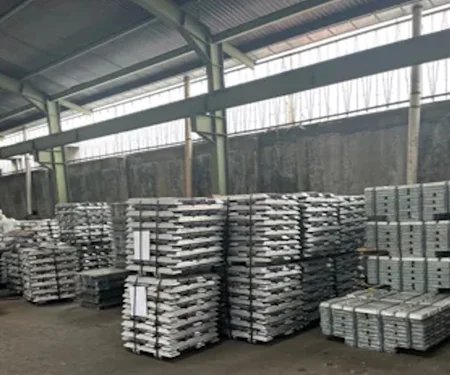
The first quarter (Q1) financial results of Norsk Hydro delivered a resilient operational performance, although with mixed financial results in the upstream segment of alumina. Alumina production at Alunorte in Q1 2026 improved year-on-year compared to Q1 2025, with yield improvement and consistent availability of equipment. The aluminium segment improved with the reopening of capacities at the Norwegian smelters that were partially under controlled shutdown. These not only offset the production curtailments due to the Middle East conflict but also added a 2.7 per cent Y-o-Y increase in the primary aluminium segment's EBITDA.
Explore- Most accurate data to drive business decisions with Global ALuminium Industry Outlook 2026 across the value chain
Eivind Kallevik, President and CEO of Hydro, “Strong operational performance across our upstream and recycling businesses, combined with favourable metal prices, drove a strong first quarter. It underlines the strength of our portfolio and our ability to convert operational excellence into financial results.”
Financial highlights - Q1 2026
Hydro reported a resilient operational performance in the first quarter of 2026, supported by stronger aluminium prices and improved recycling margins.
- Adjusted EBITDA – NOK 8.67 billion (USD 928.88 million), down 9 per cent from NOK 9.5 billion (USD 1.02 billion) in Q1 2025
- Net income – NOK 4.34 billion (USD 465.18 million), down 26 per cent Y-o-Y from NOK 5.86 billion (USD 628 million) in Q1 2025, impacted by derivative losses and one-off items
- Adjusted earnings per share (EPS) – NOK 2.07 (USD 0.22), up 27 per cent Y-o-Y from NOK 1.63 (USD 0.17) in Q1 2025
Quarter-on-quarter, EBITDA rose from NOK 5.59 billion (USD 598.7 million) in Q4 2025, driven by stronger metal prices and seasonal recovery in downstream operations.
Overall performance was shaped by higher aluminium prices and volumes, partly offset by weaker alumina prices, lower energy output, and currency headwinds.
Segment-wise breakup
A mixed performance in Q1 2026 was delivered by Hydro’s bauxite and alumina segment. Despite the support from volumes and lower raw material costs, softer alumina prices and currency trend weighed down on profitability.
Lower alumina price and reduced demand offset the benefits of production stability. Moreover, overall upstream earnings continued to face pressure from lower power generation and a stronger Norwegian krone.
Nonetheless, the segment maintained operational stability despite these pricing problems.
Don't miss out- Buyers are looking for your products on our B2B platform
The energy segment also reported weaker performance in Q1 2026, largely owing to seasonal and operational factors. Lower hydropower generation, due to maintenance activities at power plants carried out in the quarter, affected the results. This decline partially offset the gains in Hydro’s aluminium and recycling businesses.
Hydro’s primary aluminium segment delivered a strong earnings uplift during the quarter, largely reflecting favourable pricing dynamics.
Adjusted EBITDA for Aluminium Metal rose sharply to NOK 5.03 billion (USD 5.39 million), up from NOK 2.55 billion (USD 272.8 million) in Q1 2025. This improvement was channelised by higher all-in metal prices and reduced alumina costs, although partly offset by a weaker USD against the Norwegian krone.
The global aluminium market tightened during the quarter, influenced by geopolitical disruptions. Prices on the London Metal Exchange soared from around USD 2,995 per tonne in January to USD 3,467 per tonne by the end of March, indicating pressures from the supply crunch.
Meanwhile, the metal markets segment reported improved results. The aluminium market in Q1 2026 was shaped by weak downstream demand but elevated scrap prices, driven by tight availability and growing demand for low-carbon recycled materials.
In Europe, recycling margins remained under pressure, although supply disruptions stemming from the Middle East conflict tightened metal availability, thereby pushing billet premiums higher.
In contrast, the US market saw improved recycling margins due to a widening gap between scrap and primary metal prices. European billet premiums surged considerably, while scrap prices lagged, highlighting supply constraints.
Backed by higher LME aluminium prices and supply crunches, Europe witnessed an increase in its recycled alloy prices and scrap grades. Aluminium scrap exports from the EU also remained strong, as Asia continued to be the primary buyer, emphasising sustained global demand for recycled aluminium.
Must read: Key industry individuals share their thoughts on the trending topics
Hydro’s extrusion business recorded a moderate improvement in profitability during the quarter.
Adjusted EBITDA increased to NOK 1.3 billion (USD 1.39 million), compared with NOK 1.17 billion (USD 1.26 million) in Q1 2025. The growth was supported by stronger margins in North America, alongside lower fixed labour, production, and energy costs. However, this was partially offset by lower sales volumes.
Demand trends remained mixed as in Europe, demand was broadly flat Y-o-Y but improved sequentially due to seasonal factors, with early signs of recovery in automotive, especially electric vehicles (EVs).
In North America, demand declined by about 4 per cent Y-o-Y, indicating subdued activity across most segments, despite stable demand in electrical applications.
Overall, the segment remains faced with demand-side challenges, though margins are supported by cost discipline and recycling gains.
Recycling initiatives
Focusing on long-term dependence on renewable energy, three new contracts have so far been secured, which account for about 14 TWh. These are:
- A contract with Alpiq signed in March to receive 0.22 TWh annually, spanning 2031-2038 in price area NO3.
- Two agreements finalised in April with Statkraft, one offering 0.88 TWh annually for 2029-2038 in price area NO2 and the other providing 0.44 TWh from 2031-2038 in price area NO3.
Moreover, commissioning the HalZero test facility has marked a key milestone in Hydro’s endeavours of new aluminium production technology development. The facility is equipped for carrying out experiments and tests in a safe and controlled environment.
Emphasising Norsk Hydro’s commitment to secure renewable energy sources to produce recycled aluminium and strengthen the company’s position amid tightening conditions, Kallevik noted, “Securing access to long-term renewable power at competitive pricing is critical for Hydro’s ability to execute on our strategy of pioneering the green aluminium transition.”
Trading aluminium across borders? Find out the exact cost you need to bear for the embedded carbon in the product by using this CBAM calculator.

South Africa’s Hillside aluminium smelter eyes renewable power under Eskom-South32 plan
Next articleAmerica’s new aluminium smelter hangs on a power deal amid supply shocks
Grow with
AL Circle