Hydro x Mercedes-Benz Trucks: A recycled aluminium partnership for circularity push

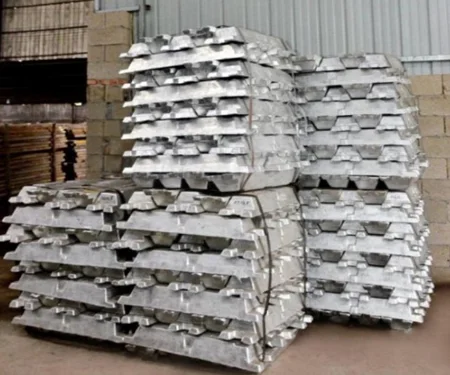
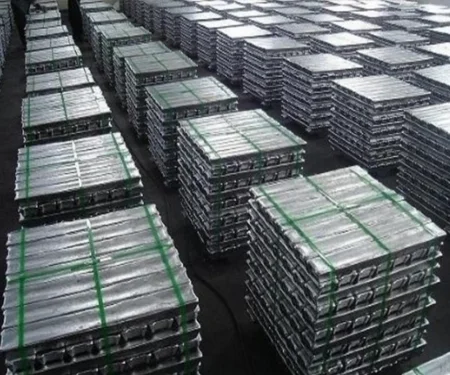
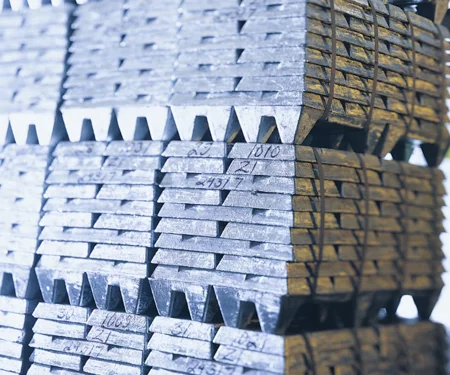
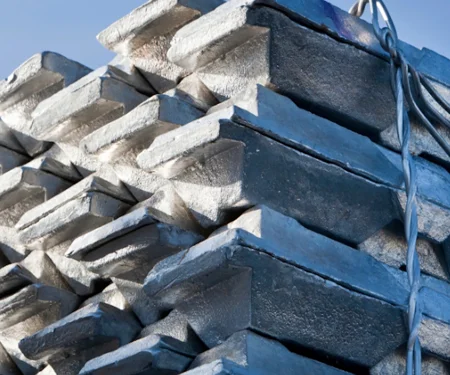
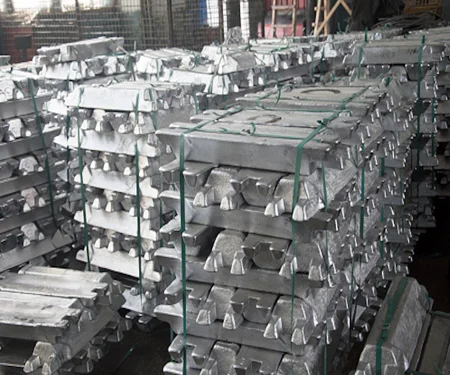
Stock image for referential purposes only
Norsk Hydro has accelerated its push into circular manufacturing by supplying low-carbon, recycled aluminium to the reECONIC project led by Mercedes-Benz Trucks. Based on the electric Mercedes-Benz eEconic platform, the initiative gathers over 30 partners to demonstrate the reuse of materials in closed loops without compromising performance or safety in commercial vehicles. It promotes circularity and sustainability in the value chain from sourcing to recycling end-of-life materials to produce low-carbon, recycled aluminium, playing a central role in the equation.
Explore- Most accurate data to drive business decisions with Global ALuminium Industry Outlook 2026 across the value chain
Executive Vice President of Hydro Extrusions, Paul Warton, mentioned, “The reECONIC project shows how circular design and low-carbon materials can go hand in hand. By delivering extruded profiles made from Hydro CIRCAL, we are transforming end-of-life aluminium scrap into high-performance components for the next generation of electric vehicles.”
The scope of the production chain remains firmly rooted in Europe, with billets processed in Belgium and further extrusion and finishing carried out in the Netherlands and Poland. Being a regionalised setup, this not only strengthens supply chain reliability but also helps reduce the overall carbon footprint and contain the environmental impact.
Don't miss out- Buyers are looking for your products on our B2B platform
The reECONIC Mercedes-Benz Trucks project
For this project, Norsk Hydro delivered 31 extruded components, weighing about 600 kg, all produced using its Hydro CIRCAL range. These materials contain at least 75 per cent post-consumer scrap and are used in structural and safety-critical applications. This highlights that recycled aluminium can meet the demands of advanced vehicle design while significantly lowering emissions.
At the core of the project is the objective of designing vehicles with their full lifecycle in focus, from sourcing and manufacturing to end-of-life recyclability. Aluminium’s ability to be repeatedly recycled without losing its properties makes it central to this approach. Hydro’s recycled aluminium, with a carbon footprint as low as 1.9 kg of CO₂ per kg, allows manufacturers to cut emissions at the material stage while retaining flexibility in design and application.
Emphasising the role of aluminium in limiting carbon footprint, Warton noted, “This is a concrete example of how circular aluminium solutions can help decarbonise mobility.”
Must read: Key industry individuals share their thoughts on the trending topics
The reECONIC programme comes with broad-based transitional approaches in the mobility sector, where decarbonisation is increasingly being addressed through material innovation alongside electrification. By integrating high-recycled-content aluminium into key vehicle components, the project demonstrates a practical pathway toward more sustainable and resource-efficient production of vehicles.
Referring to the sustainability goal, Achim Puchert, CEO of Mercedes-Benz Trucks, stated, “Sustainability is an integral part of our strategy, which we are implementing in this project alongside strong partners. We are pursuing the clear goal of decarbonising our products. With the reECONIC, we are demonstrating a concrete path toward a more sustainable value chain in vehicle production.”
Trading aluminium across borders? Find out the exact cost you need to bear for the embedded carbon in the product by using this CBAM calculator.

Technology Minerals unlocks new innovation and revenue stream with copper and aluminium recovery
Next articleIndia: Imported aluminium scrap prices show mixed trends despite LME strength, supply tightness
Grow with
AL Circle