New, improved aluminium recycling method boosted by crystallization method
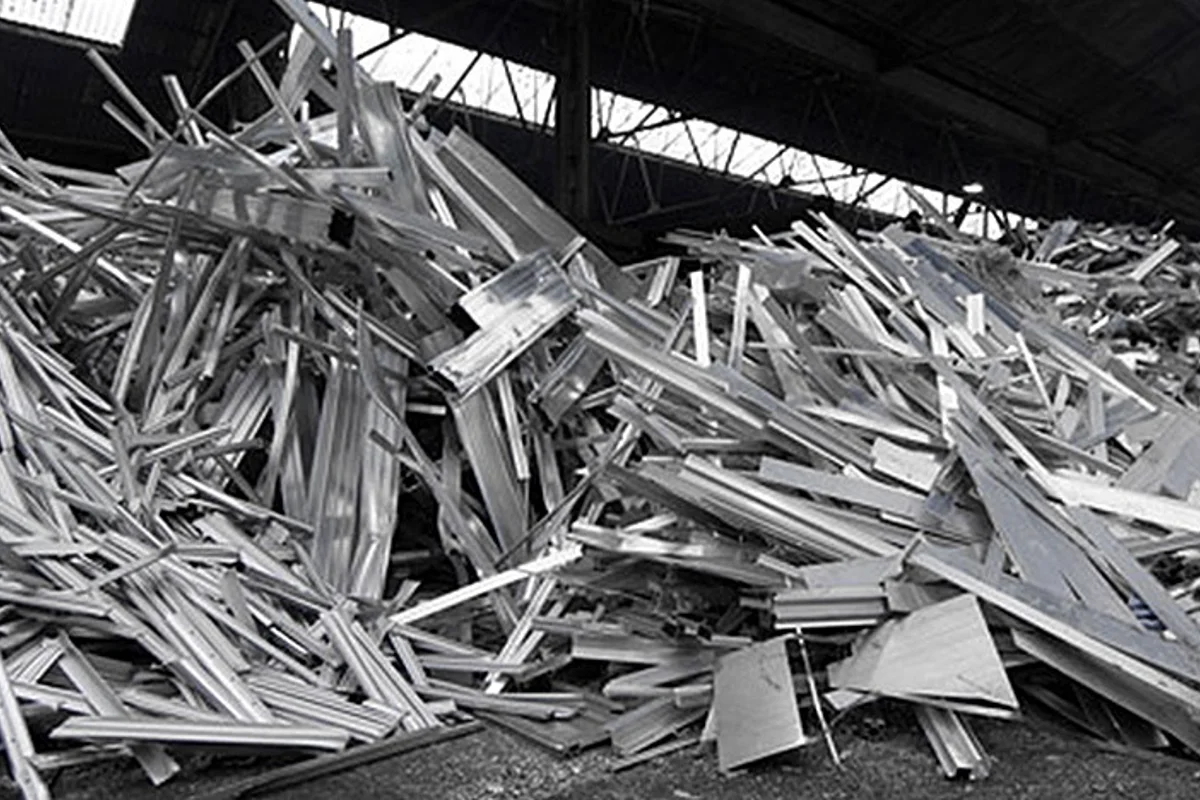
A new, innovative method for aluminium recycling, developed by researcher Dr Biao Cai from the University of Birmingham’s School of Metallurgy and Materials, shows microscopic changes that take place when molten alloys cool. Dr Biao Cai has used sophisticated high-speed X-ray imaging to record the formation of micro-crystals as aluminium alloys cool and solidify, under a magnetic field.
A mathematical model was developed by Dr Cai’s collaborator Dr Andrew Kao from the University of Greenwich to predict if micro-crystals would form what shat shape would they be.
The model predicted helical ‘screw-like’ crystals would form under the influence of strong magnetic stirring, while high-speed X-ray would confirm that this occurred.
Biao explains: “These microscopic crystals ultimately determine the physical properties of the alloy. To be able to adjust their shape, structure and direction of growth will enable us to perfect processes for both manufacturing and recycling of metals and alloys”.
Biao has invented a new, inexpensive technique for improved aluminium recycling by removing iron with the use of magnets and a temperature gradient. Iron is a detrimental element that can make aluminium brittle and limit its use in premium applications such as aircraft.

University of Birmingham Enterprise has patented the invention, and Midlands Innovation Commercialisation of Research Accelerator has awarded Biao a grant to build such a large-scale prototype.
AlCircle brings two-day event for aluminium industry players. We look forward to meeting you virtually at “Global Aluminium Expo 2020”on October 6-7, 2020. For registration, visit www.alcircleevents.com
"Swiss Aluminum Capsule Recycling": An initiative of Nespresso and Delica AG to promote recycling of aluminium coffee capsules
Next articleNespresso celebrates tenth anniversary of its UK coffee capsule recycling scheme
Grow with
AL Circle