New DuAlumin-3D alloy could unlock stronger 3D-printed aluminium engine parts
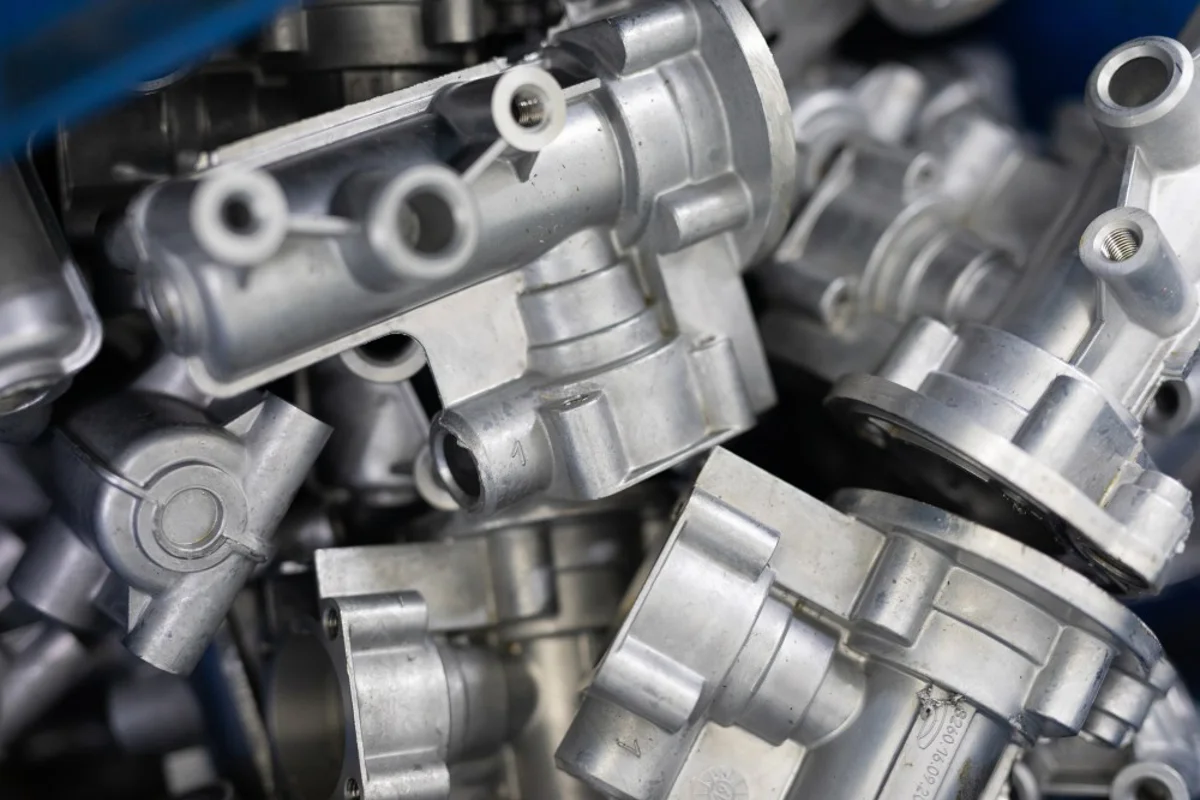
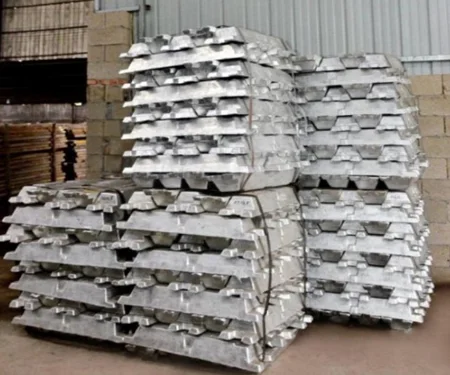
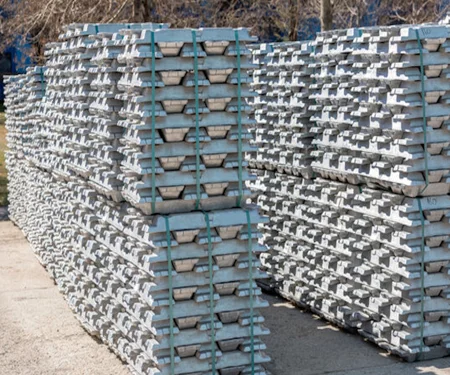
Stock image for referential purposes only
Scientists at Oak Ridge National Laboratory have advanced the use of DuAlumin-3D for high-temperature automotive components, opening new possibilities for stronger, lighter 3D-printed aluminium parts in engines and beyond.
Aluminium has long been attractive for automotive components because it combines low weight with useful thermal properties. But when manufacturers try to push aluminium into demanding, high-temperature applications using additive manufacturing, the material can run into a major problem: cracking during the printing process.
Researchers at Oak Ridge National Laboratory (ORNL) have now demonstrated that DuAlumin-3D, an innovative aluminium alloy, could help overcome that limitation.
The alloy performed better than traditional aluminium alloys during laser powder bed fusion, a widely used additive manufacturing process, while maintaining comparable heat characteristics. The result could expand the range of high-performance automotive components that can be produced through 3D printing.
A solution to aluminium's 3D-printing problem
Laser powder bed fusion builds components layer by layer by selectively melting metal powder with a laser. While the process allows manufacturers to produce complex shapes and optimise component designs, conventional aluminium alloys can be susceptible to cracking during fabrication.
That has limited the use of some aluminium alloys in demanding additive-manufacturing applications.
The ORNL team found that DuAlumin-3D performed exceptionally well during its evaluations, avoiding the cracking issues associated with traditional alloys while retaining the thermal characteristics needed for high-temperature applications.
“DuAlumin-3D performed exceptionally well in our evaluations,” said lead ORNL researcher Alex Plotkowski.
The finding is significant because it addresses both sides of the challenge: the alloy needs to survive the manufacturing process while also performing under demanding operating conditions.
To know the global production, demand and consumption forecasts of aluminium extrusions, explore our report "The World of Aluminium Extrusions to 2035"
Strength without giving up aluminium's weight advantage
DuAlumin-3D reportedly offers superior strength and greater resistance to deformation at elevated temperatures compared with known aluminium alloys.
That could make it particularly useful for components where manufacturers want the lightweight benefits of aluminium without sacrificing performance when temperatures rise.
For automotive manufacturers, the potential advantage extends beyond the component itself.
Reducing the weight of engine and other vehicle components can contribute to broader lightweighting strategies, which can in turn help improve vehicle efficiency and reduce fuel consumption.
The research does not establish a specific fuel-saving figure, but the material's combination of strength and low weight could give engineers greater freedom when redesigning components.
3D printing opens the door to more complex designs
Traditional manufacturing methods can impose constraints on component geometry and require multiple processing steps. Additive manufacturing allows engineers to create more complex structures and optimise material placement for specific performance requirements.
A material capable of handling the heat and stresses associated with engine applications could therefore make it easier to take advantage of those design possibilities.
For DuAlumin-3D, the researchers' results suggest that the alloy could be used not simply as a replacement for conventional aluminium, but as an enabler for new approaches to lightweight component design.
Connect with verified aluminium extrusion buyers and suppliers through the AL Biz marketplace.
Potential applications extend beyond automotive
Plotkowski said the alloy could also be used for lightweighting in aerospace and for optimising heat exchangers.
Aerospace is particularly sensitive to component weight, making lightweight high-strength materials valuable for aircraft and other systems.
Heat exchangers present a different opportunity. Their performance depends heavily on how efficiently heat can be transferred, making material properties and component geometry important considerations. Additive manufacturing could allow engineers to optimise those designs while using an alloy capable of operating at elevated temperatures.
From automotive experiment to wider aluminium applications
The challenge is no longer simply finding ways to print aluminium into complex shapes. The material itself must be capable of surviving both the manufacturing process and the environment in which the finished component will operate.
By demonstrating strong performance during laser powder bed fusion and superior resistance to deformation at elevated temperatures, DuAlumin-3D could help close that gap.
For automotive engineers, that could mean more opportunities to use aluminium in high-performance engine components while pursuing lightweight designs.
And if the material's potential extends into aerospace and heat exchangers as researchers expect, the impact could reach well beyond the automotive sector.
The bigger question now is how far DuAlumin-3D can move from laboratory demonstrations into real-world manufacturing — and whether its combination of strength, heat resistance, lightweighting potential and additive-manufacturing compatibility can make it a practical alternative for the next generation of high-performance components.
AL Circle is coming up with a new Magazine "ALuminium’s Frontline: OEM Edition 2026." Feature your brand and opinion in the edition
109% rise in aluminium imports & 28% drop in domestic output lead New Zealand extruders to seek urgent actions
Next articleUBS upgrades Kaiser Aluminum as Q2 EBITDA rises 60% and earnings outlook strengthens
Grow with
AL Circle